Ford Said No to Formula E. Now Watch What It Does With That Answer.
When a carmaker exempts its wildest machines from electrification, it's not a retreat — it's a declaration about what performance actually means.
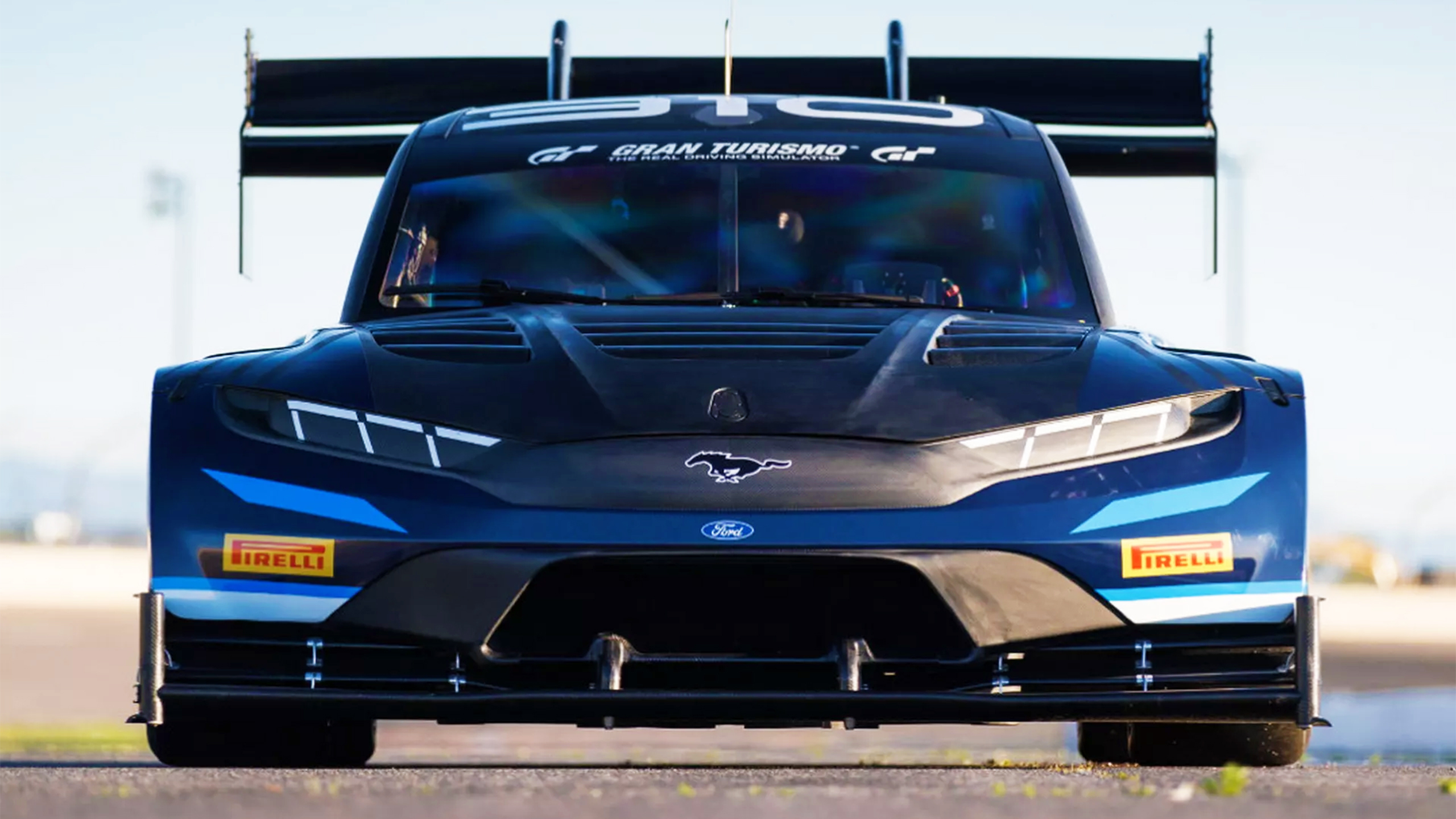
Photo · Carscoops
There's a version of this story where Ford walking back EVs and returning gas engines to its specialty vehicles is just a headline about a pivot. A retreat dressed up as strategy. A company that tried the future, found it expensive, and came home.
That's not the interesting read.
A writer at Carscoops has staked out a more specific position: that Ford's decision to keep its wildest one-offs combustion-powered — and to explicitly reject series like Formula E as not suited to the brand — is something closer to a philosophical stance than a product decision. And the fact that someone is writing that piece now, in this climate, says something worth sitting with.
The Permission Structure Just Changed
For the better part of a decade, the performance world operated under an unspoken agreement: electrification was inevitable, resistance was nostalgia, and any brand that didn't have an EV roadmap was either behind or in denial. The mandate wasn't always a legal one. Sometimes it was just social pressure wearing a press release.
What's shifted — quietly, then all at once — is that the costs of performing enthusiasm for electrification have become visible. Ford's broader EV pullback is part of that. But the Carscoops piece is pointing at something more granular: that the specialty vehicles, the wild one-offs, the machines that exist at the edge of what a brand believes about itself, are now being explicitly carved out. Kept combustion. Not as a compromise, but as a conviction.
When a company says a racing series isn't for it, that's not a shrug. That's brand identity being spoken aloud in a room where everyone was expected to stay quiet.
What Engineering Conviction Costs
Here's the question the piece opens up without fully answering: can that conviction survive long enough to matter?
Specialty vehicles, by definition, aren't volume. They're proof of belief. They're the cars a company builds when it wants to say something about what it thinks a car should feel like — the weight of a throttle response, the sound that arrives before the acceleration does, the way a chassis communicates through your hands before your brain has caught up. None of that is impossible in an electric car. But it's different. It requires different fluency, different instincts, different engineering culture.
When Ford says its wildest cars stay gas-powered, it's also saying: we still have engineers who speak that language, and we're not letting that department go quiet.
That matters. Not sentimentally — practically. The knowledge of how to build something that feels alive at the limit isn't just a vibe. It's accumulated, it's transferable, and it disappears faster than anyone expects when the incentive to keep it stops.
The Authenticity Argument, Honestly
There's a version of the combustion-loyalty argument that's pure performance tribalism — people who love the smell and the sound and will fight for it regardless of what makes engineering sense. That argument is real and it's also, frankly, not the most interesting one.
The more durable argument is simpler: some cars should be built with the technology that makes them best, not the technology that makes the brand's sustainability deck look cleaner. And for certain machines — low-volume, high-intensity, built to push at the edges of what the platform can do — combustion isn't the legacy option. It's still, right now, the honest one.
Ford naming that out loud is notable. Not because it's brave, exactly. But because the default for the past several years was to not say it at all.
The wildest cars staying gas isn't Ford losing the argument about the future. It's Ford deciding which argument it actually wants to win.
Keep reading cars.
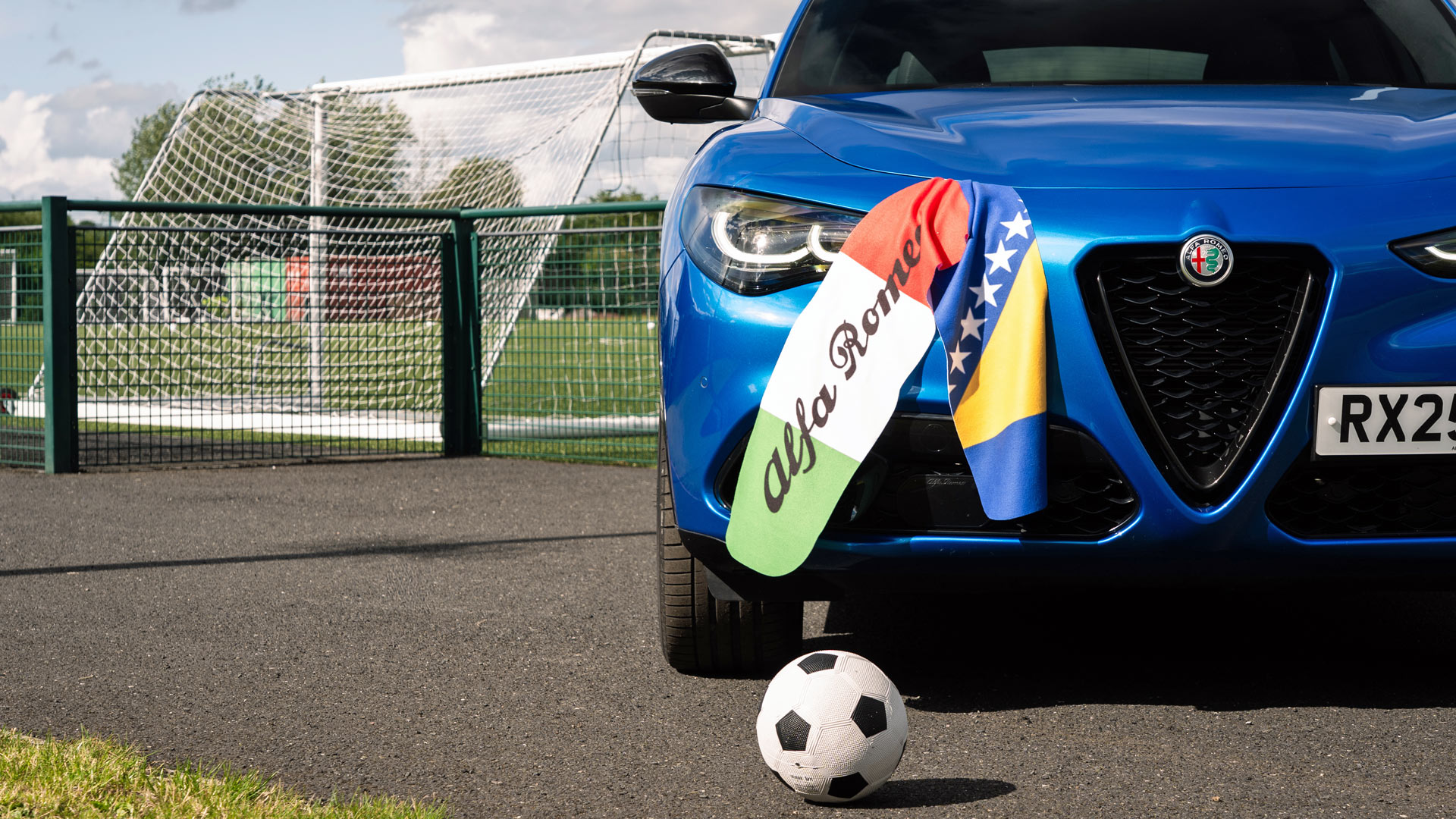
Alfa Romeo Is Cheering for Bosnia Now, and They'd Like You to Know It
A World Cup discount tied to a country Alfa Romeo has no business backing is either the dumbest sponsorship idea of the year or the most honest one.
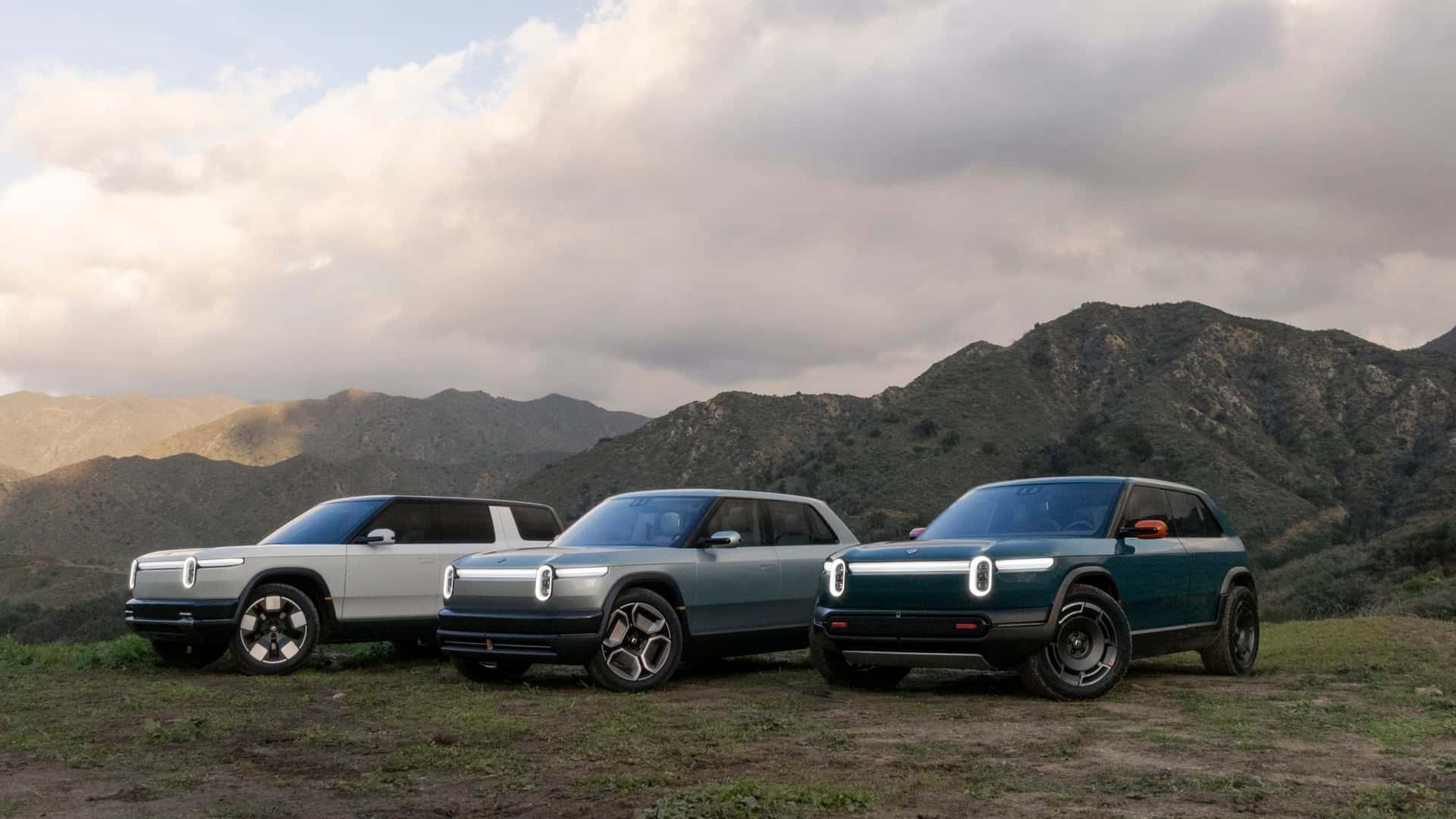
Rivian Built a $45,000 Bet on Something Spreadsheets Can't Measure
The R2 isn't selling on range. It's selling on the feeling that someone actually thought it through.

13,000 Miles and a Battery That Already Flinched
A 2025 Model Y failed its own manufacturer's health check. That's not a data point — it's a credibility problem.
From the other desks.
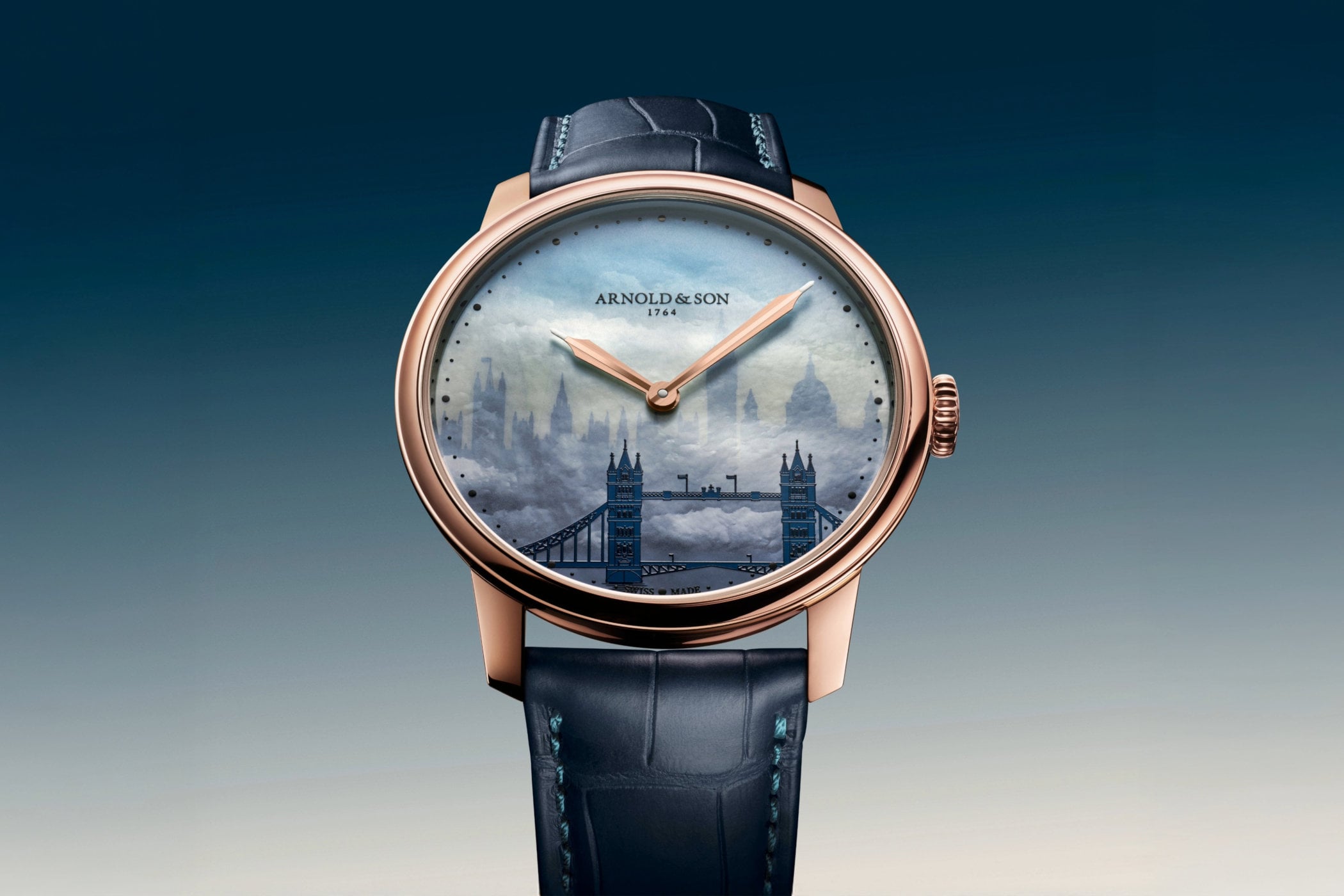
260 Years Old, and Arnold & Son Just Learned to Wink
A mother-of-pearl London dial that hides its own secrets in the dark — and what that says about heritage watchmaking right now.

Brunson Had a Championship and Used It on This
When a Finals MVP burns celebration capital defending a broadcaster from a pop star's fanbase, something has shifted in what athletes think they're allowed to say.

42 Attorneys General Subpoenaed OpenAI's Ads, Its Safety Policies, and Its Sycophancy All at Once
When regulators come for your chatbot's personality, the credibility problem runs deeper than compliance.