Nobody Budgeted for This
AI promised to pay for itself. Now IT departments are getting the actual invoice.

Photo · Latest from TechRadar
There's a moment in every technology hype cycle where the spreadsheet shows up and asks uncomfortable questions. According to coverage from TechRadar, that moment has arrived for enterprise AI — and it's showing up as a line item nobody planned for.
Most businesses, the piece reports, say they've been caught out by unexpectedly high AI bills. IT teams are under mounting pressure to demonstrate ROI. Which means the pitch that sold AI adoption to boardrooms — that it would pay for itself, that efficiency gains would absorb the cost, that the math would eventually work — is now being tested against reality. And reality is expensive.
This is worth sitting with for a second, because the surprise is the interesting part.
The Gap Between the Demo and the Invoice
Every enterprise technology sale has a gap between what it costs to evaluate and what it costs to run at scale. AI has made that gap cavernous. The demo is fast, impressive, almost frictionless. The production deployment — with actual query volumes, actual storage, actual API calls at actual rates — is a different conversation entirely. The TechRadar piece doesn't spell out the mechanism in detail, but the pattern it describes is familiar to anyone who watched cloud adoption go sideways in the early years: companies sprint toward capability, usage compounds quietly in the background, and then someone opens a bill.
What's new here isn't that enterprise software costs more than expected. What's new is that AI costs are particularly hard to forecast. Traditional software has predictable licensing structures. AI workloads scale with usage in ways that are genuinely difficult to model in advance, especially when the people making procurement decisions aren't the same people who understand how inference pricing works. That asymmetry of knowledge is what turns a budget line into a reckoning.
ROI as a Survival Question
The pressure on IT teams to prove ROI, which TechRadar flags directly, is a signal worth reading carefully. When the business case is airtight, nobody demands proof. The demand for proof means the case has gotten shakier. It means executives who approved AI spending are now asking what exactly they bought, and the people who championed the tools are scrambling to build a retrospective argument for value that should have been built prospectively.
This doesn't mean AI adoption collapses. It means it matures, which is messier and slower and less photogenic than the breathless rollout phase. The companies that survive the spreadsheet moment are the ones who can point to specific, measurable outcomes — not vibes, not potential, not the fact that competitors are doing it too. The ones who can't are going to spend the next eighteen months in uncomfortable budget reviews.
The ROI narrative for AI has always had a credibility problem hiding beneath the optimism. The tools are genuinely capable. The business value is genuinely real in some contexts. But "genuinely real in some contexts" is a harder sell than "transformative across the enterprise," and a lot of the selling was done at the latter register.
The bill has arrived. Now comes the harder conversation about what was actually ordered.
Keep reading tech.

42 Attorneys General Subpoenaed OpenAI's Ads, Its Safety Policies, and Its Sycophancy All at Once
When regulators come for your chatbot's personality, the credibility problem runs deeper than compliance.

Apple Built Siri AI for California. Everyone Else Gets a Waiting Room.
WWDC 2026 confirmed the feature. The European Commission confirmed the fracture.

Anthropic Built the Cage. The Government Locked It.
When your safety warnings become your shutdown notice, being right about AI risk turns out to carry its own kind of liability.
From the other desks.

Two Electric Hatchbacks, One Uncomfortable Number: £5,000
When Leapmotor prices the B05 under £29,000 and Peugeot brings back the GTI badge on a hot electric hatch, the gap between them says more about the industry than either car does alone.

Isaac Mizrahi Went Back to Target, and This Time He's Teaching
A newly created role at a big-box retailer is either a footnote or a signal — and the details suggest it's the latter.
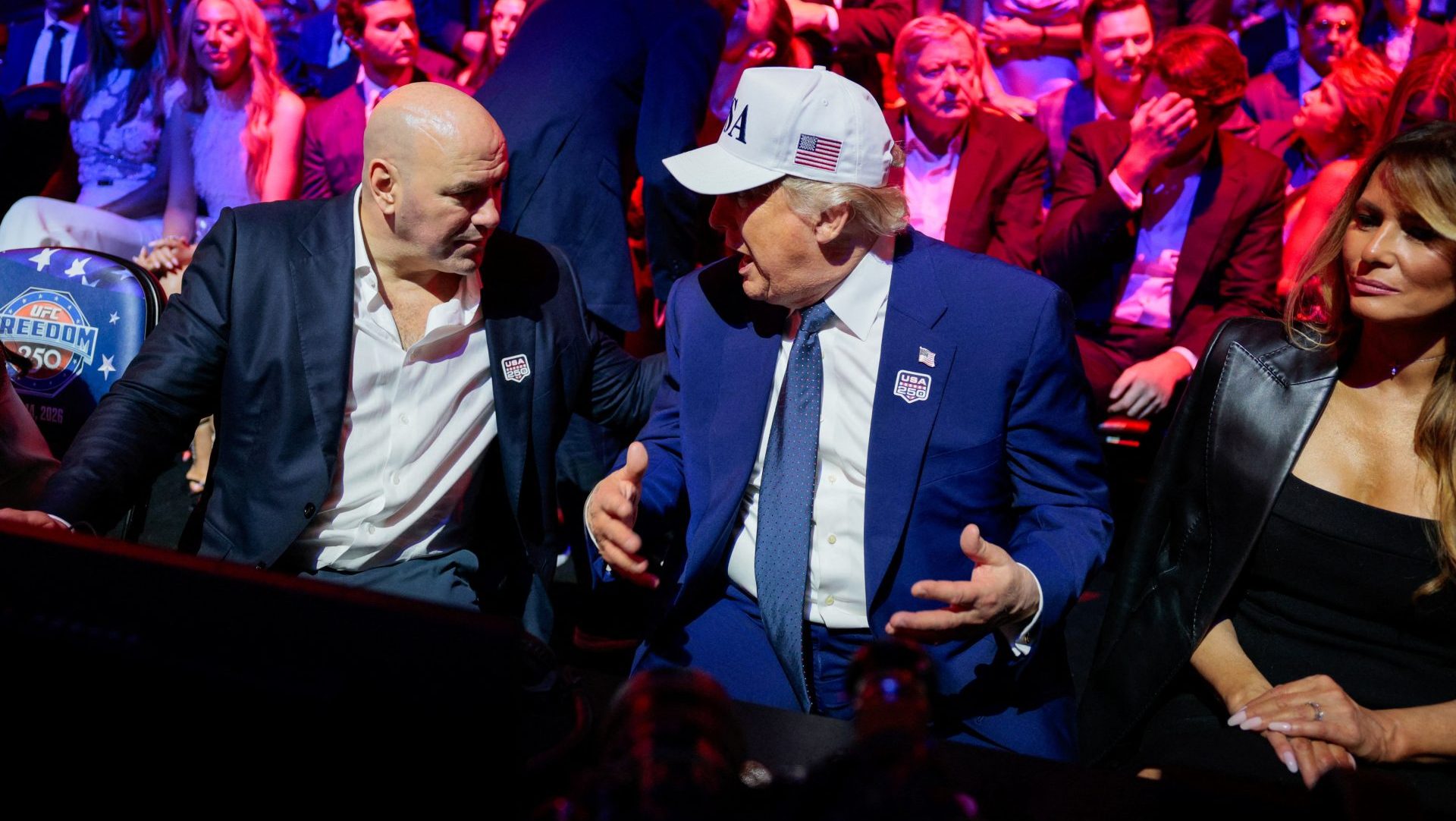
Dana White Threw the Party of His Career and Left Owing Money
The White House UFC event happened exactly once, and the man who made it happen says it will never happen again.