Dress Watch Puts on Different Shoes
Jaeger-LeCoultre didn't reinvent the Master Control — it finished it.

Photo · Monochrome Watches
There's a version of a watch that's technically correct and emotionally incomplete. You know it when you see it: the case is right, the dial is right, the movement is more than right, and then you look down at the bracelet and something deflates. The whole thing loses a few degrees of conviction. Jaeger-LeCoultre, apparently, knew it too.
At Watches & Wonders, alongside releases that drew considerably more spectacle — including the kind of stratospheric complexity that tends to eat all the oxygen in the room — the brand quietly reintroduced the Master Control Chronometre collection. New integrated bracelets. A new movement. Three models. It didn't arrive with a lot of noise, and that restraint is part of what makes it worth paying attention to.
What Integration Actually Means Here
The conversation around integrated bracelets has been going on long enough that it risks becoming background noise. But there's a difference between a bracelet that's technically integrated and one that's been designed as a single resolved object from the start. What Worn & Wound and Time+Tide both noted is that the Master Control's new bracelet isn't a retrofit — it's a structural argument. The watch and the bracelet arrived together, as a position.
Monochrome noted that Jérôme Lambert's return to the CEO role in 2025 has brought renewed momentum to Jaeger-LeCoultre, and you can read this collection as early evidence of what that momentum looks like in practice. Not a departure. A completion. The Master Control has always been a collection built around chronometric discipline — the new HPG designation that Worn & Wound flagged is part of that language, a precision standard the brand is now foregrounding — and the integrated bracelet design extends that discipline to the object as a whole.
That's the move that tends to get undervalued in coverage that leads with specs. A watch can have an exceptional movement and still feel unresolved. What JLC has done here is argue that the experience of wearing a thing — how the case transitions to the bracelet, how it sits on the wrist, how it reads as a complete form — is itself a kind of specification.
The Quiet Release
All three sources made the same editorial choice: acknowledge the fireworks elsewhere, then redirect. The Gyrotourbillon Stratosphere is the kind of watch that commands the room. The Master Control Chronometre is the one you'd actually live with.
That tension is real, and it's worth naming. Heritage watchmakers have always had to hold two registers simultaneously — the proof-of-capability piece that demonstrates what they can do at the outer edge, and the collection that demonstrates what they actually believe in day to day. The mistake is treating the former as the story and the latter as a footnote. The Master Control isn't a footnote. It's a thesis.
Three references, one new caliber, a bracelet that was designed to belong — it's not a complicated announcement. But simplicity in watchmaking, when it's earned, is its own kind of technical achievement. Getting a dress watch to feel like a sports watch without losing what made it a dress watch in the first place is harder than it looks. Most brands either stay in their lane or cross over so completely they lose the thread.
Jaeger-LeCoultre is betting the integrated bracelet doesn't change what the Master Control is. It just makes you stop noticing where the watch ends and the wrist begins.
That's not a small thing. That's the whole conversation.
Keep reading fashion.

Gold Leaf on a Lacquer Dial, and the Weight of What That Costs
Awake's Frosted Leaf Royal Blue asks a question Vietnamese craft has never quite had to answer at this price.
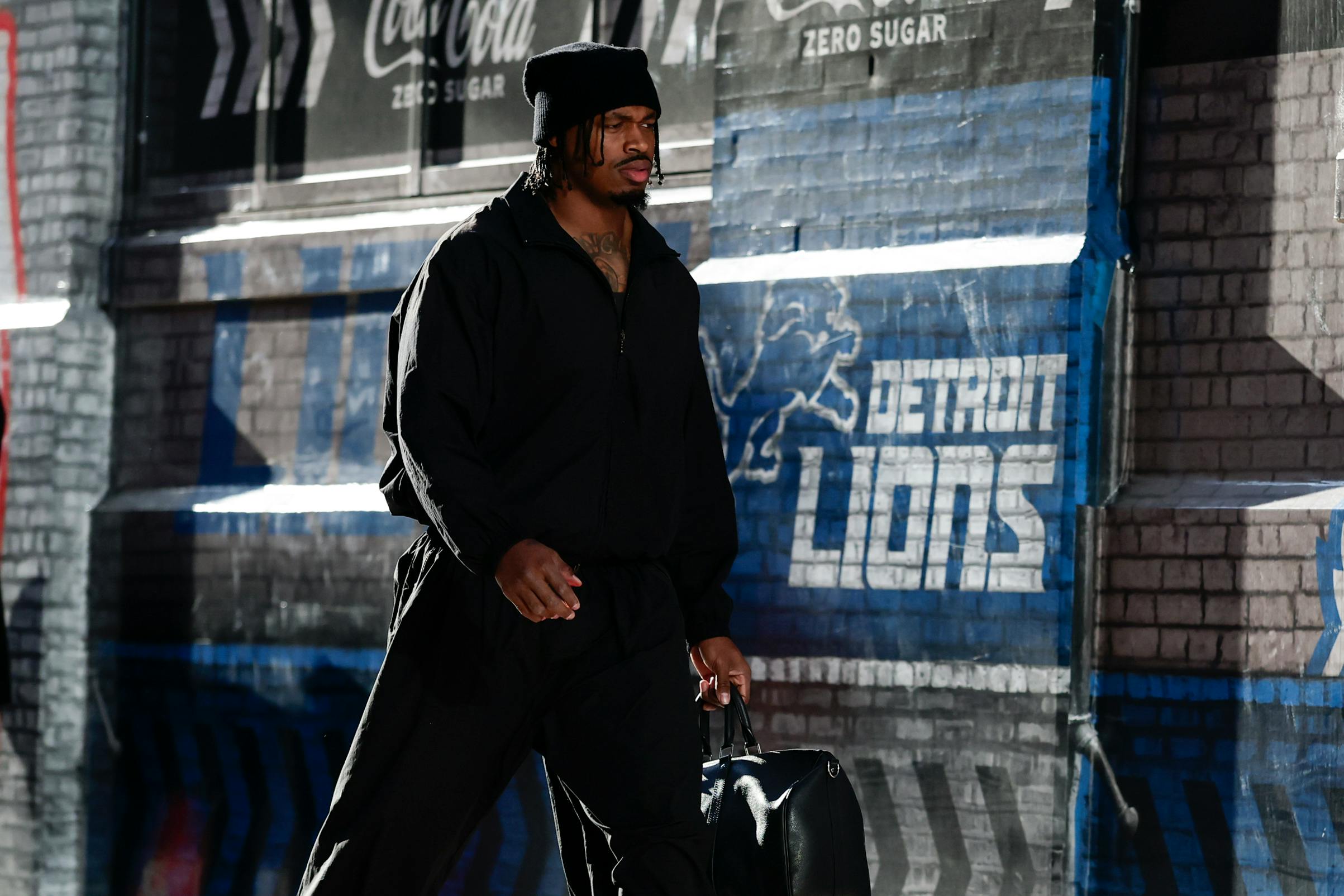
Kyle Smith Has a Job Title That Didn't Exist Before. That's the Whole Tell.
When the NFL hires a fashion editor, it's not about clothes — it's about who gets to decide what matters.
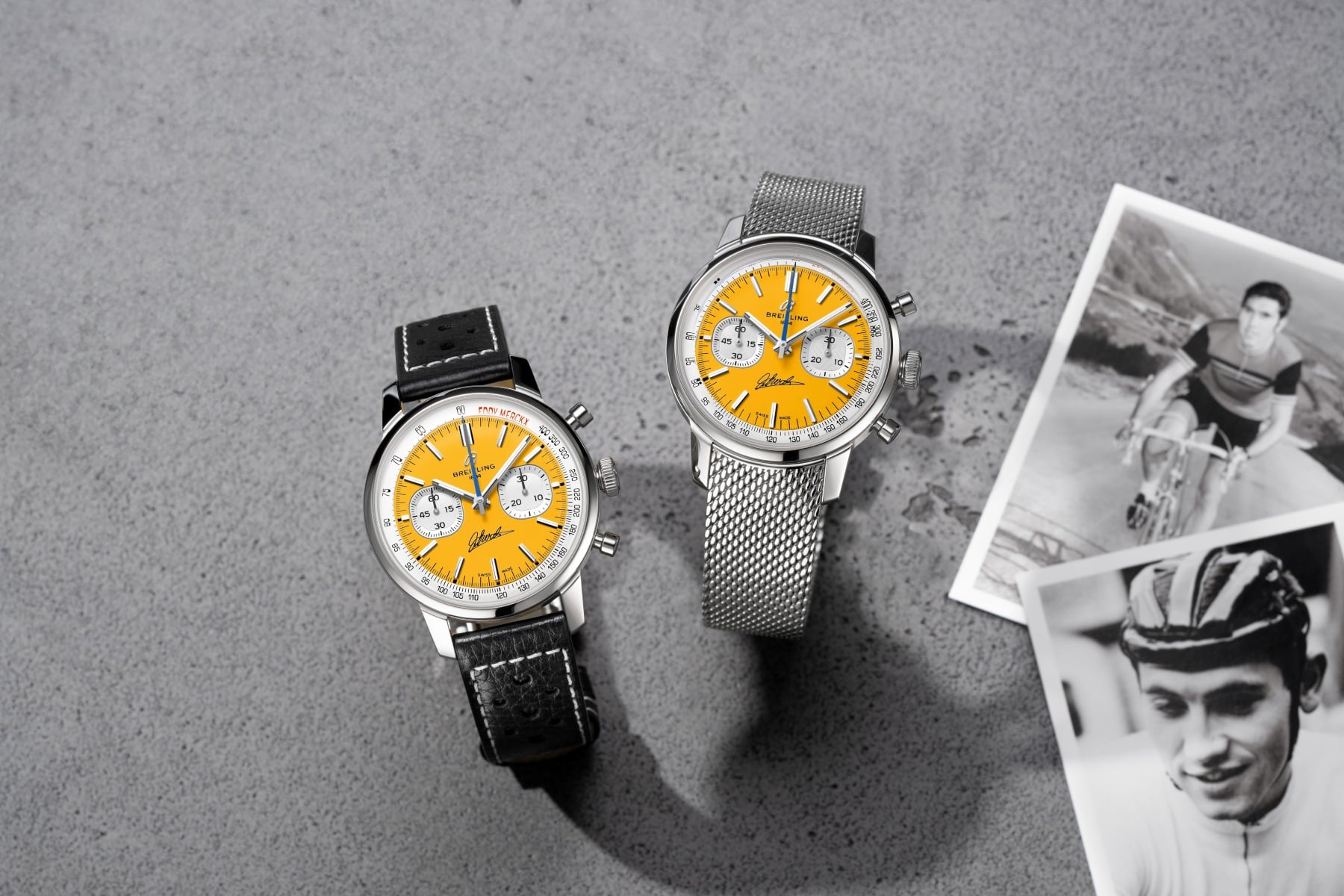
525 Victories, One Dial, and Cycling's Long Wait for a Wrist
Breitling's Eddy Merckx edition doesn't just reference a legend — it asks whether motorsport's younger sibling has finally earned its place in serious watch culture.
From the other desks.

800 Horsepower, One Ton of Doubt
Lamborghini built the most powerful SUV it's ever made. It's also slower than what it replaced.

ESPN Named Him. Then Unnamed Him. Nobody's Explaining the Gap.
A retraction without a reckoning is just a deleted link.

Hide My Email Has Been Showing Your Email
Apple's privacy flagship has a hole in it. They've known for over a year.