Formex Stopped Asking for Forgiveness on Price
The Aria Manufacture Chronometer isn't a budget watch with ambitions. It's something the industry didn't see coming from Biel.
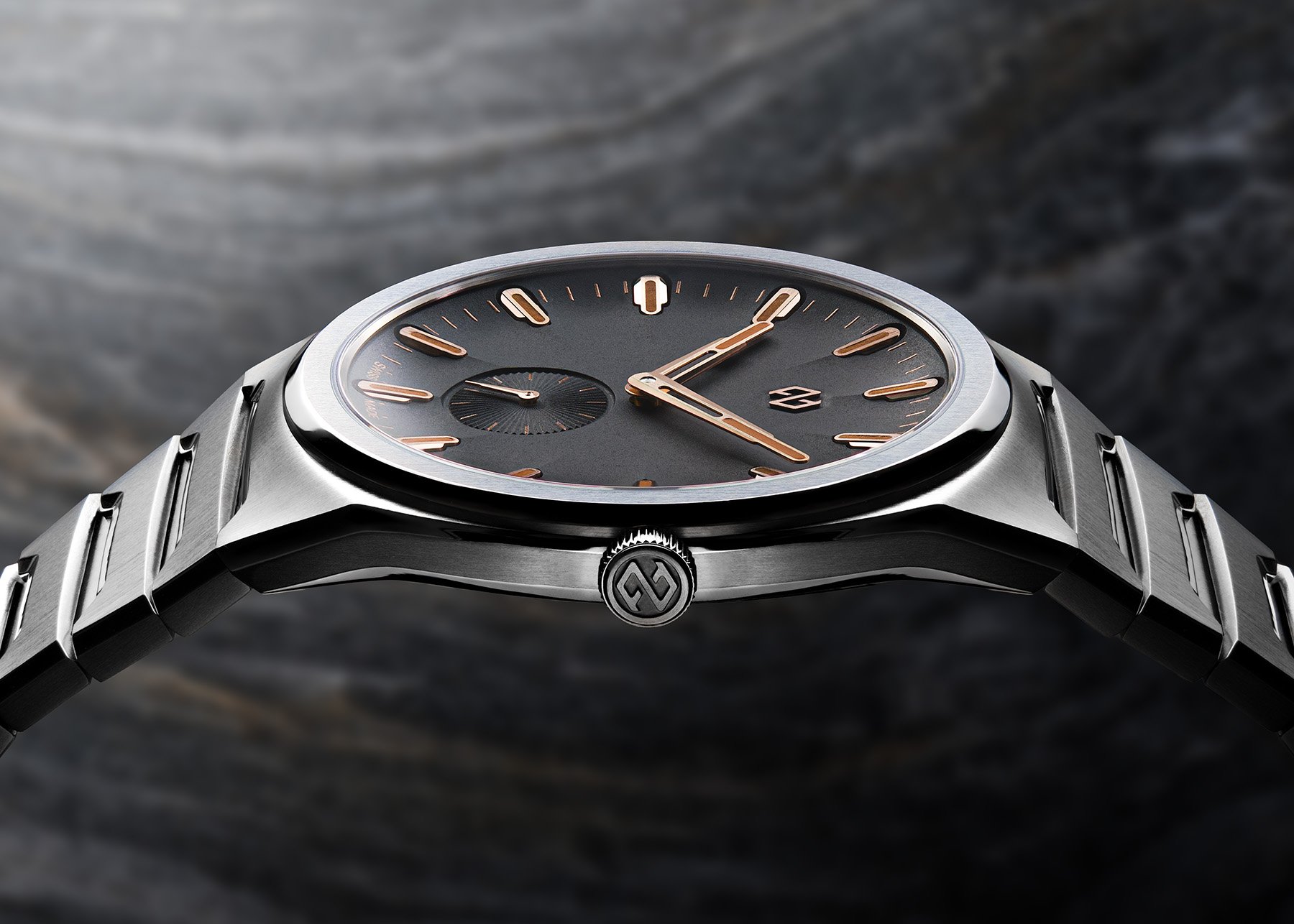
Photo · Fratello Watches – The Magazine Dedicated To Luxury Watches
There's a version of this story where a small Swiss brand releases an integrated-bracelet watch and the coverage is polite but measured — nice effort, not quite there. That's not what happened with the Formex Aria Manufacture Chronometer. Read across five different outlets and the consensus is unusually clean: this is a genuinely considered object from a brand that has quietly, persistently refused to stay in its lane.
For a while, Formex's lane was well-defined. Monochrome notes the brand built its reputation on the Essence, Reef, and Stratos collections — technically minded sports watches that earned loyalty through ergonomics, materials, and engineering solutions like a patented Case Suspension System and advanced clasp mechanisms. That's a real foundation. But it's also a ceiling, the kind of credibility that gets you respect without getting you into certain conversations.
The Aria is Formex walking into those conversations uninvited, and pulling up a chair.
What the Object Actually Is
The specifics matter here because they're doing real argumentative work. Oracle Time reports the Aria measures 40mm across and just 6.9mm thick, with the full integrated titanium bracelet bringing the total weight to 78 grams. Time+Tide flags the movement — an exclusive manufacture micro-rotor — as the brand's first of its kind, housed in what they describe as an ultra-thin titanium case. That's not incremental. A brand building its own micro-rotor movement, then fitting it into a case slim enough to disappear under a cuff, is making a philosophical statement as much as a technical one.
Integrated bracelets have become a kind of shorthand in watch culture — a signal that a brand is serious about the whole object, not just the dial. Fratello frames the Aria as Formex entering that arena specifically, calling it a new milestone for the company. Revolution goes further, suggesting the watch turns the integrated-bracelet form into something distinctly its own. That's a meaningful distinction: not mimicking a category, but finding a position inside it.
The Permission Shift
Here's what the coverage collectively points toward without quite saying directly: Formex has spent years earning trust at one price register, and the Aria is the moment they ask to be evaluated at another. That's a harder move than it sounds. Buyers who found Formex through value-forward releases have to recalibrate. Buyers who dismissed Formex as a budget option have to reconsider. Neither group does that easily.
But the Aria's argument isn't made in marketing language. It's made in grams and millimeters and the decision to develop a movement in-house rather than source one. Those are costly, time-consuming choices that don't make financial sense unless you're building toward something. What Formex seems to be building toward is the right to be called an alternative — not a consolation.
The independent watch world has a complicated relationship with aspiration. There's a long tradition of smaller brands positioning themselves as the smart choice for people priced out of the obvious names, and that positioning has real dignity. But it also keeps those brands permanently adjacent to the conversation rather than inside it. The Aria reads like a deliberate attempt to change that address.
At 6.9mm, it's not asking you to settle. It's asking you to look again.
Keep reading fashion.

Gold Leaf on a Lacquer Dial, and the Weight of What That Costs
Awake's Frosted Leaf Royal Blue asks a question Vietnamese craft has never quite had to answer at this price.

Kyle Smith Has a Job Title That Didn't Exist Before. That's the Whole Tell.
When the NFL hires a fashion editor, it's not about clothes — it's about who gets to decide what matters.
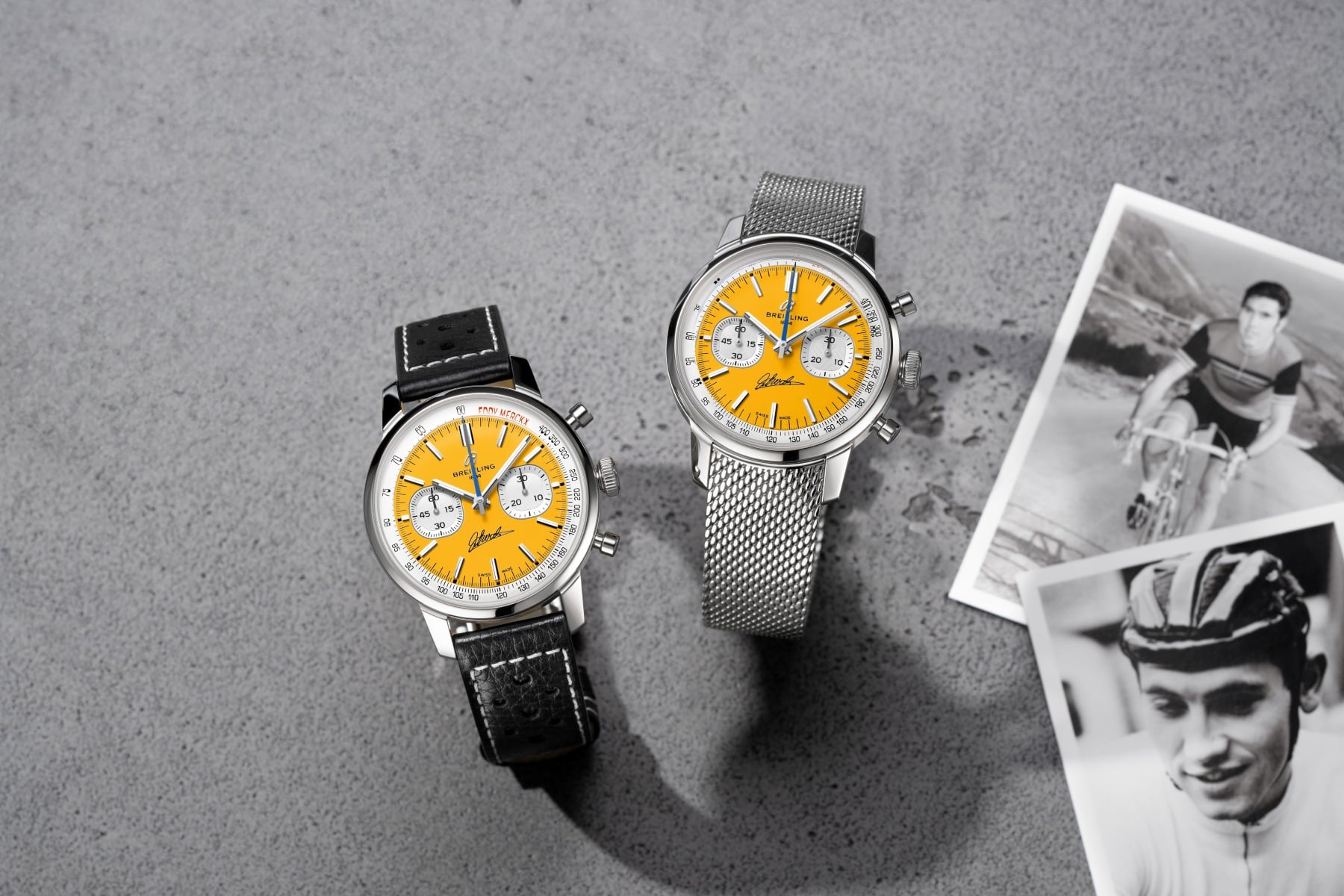
525 Victories, One Dial, and Cycling's Long Wait for a Wrist
Breitling's Eddy Merckx edition doesn't just reference a legend — it asks whether motorsport's younger sibling has finally earned its place in serious watch culture.
From the other desks.

800 Horsepower, One Ton of Doubt
Lamborghini built the most powerful SUV it's ever made. It's also slower than what it replaced.

ESPN Named Him. Then Unnamed Him. Nobody's Explaining the Gap.
A retraction without a reckoning is just a deleted link.

Hide My Email Has Been Showing Your Email
Apple's privacy flagship has a hole in it. They've known for over a year.