Girard-Perregaux Stopped Gatekeeping the Laureato
Fifty years in, the icon trades scarcity for permanence — and that might be the bolder move.
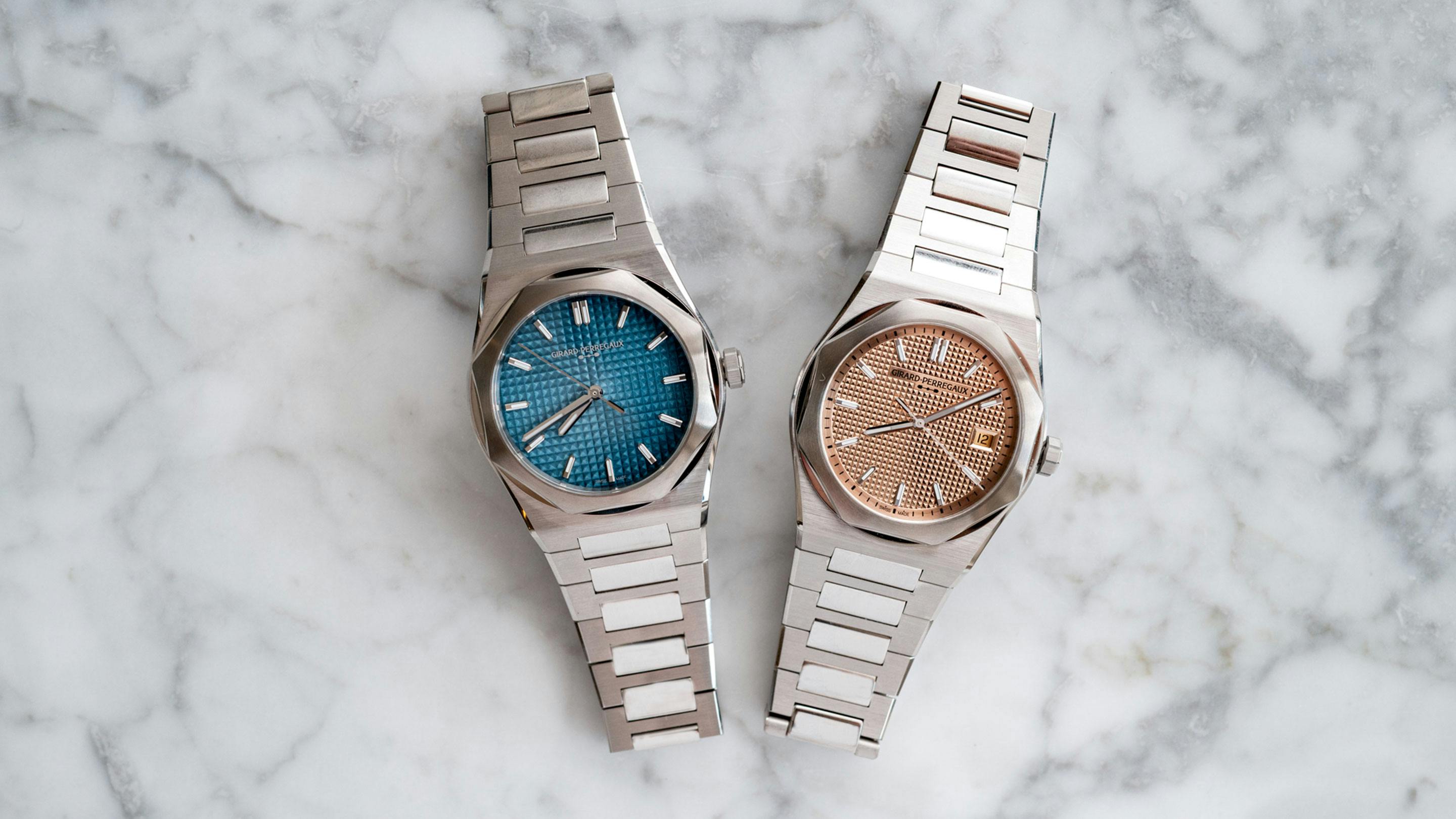
Photo · Hodinkee
There's a particular kind of watch confidence that doesn't need to be rare to feel special. The Laureato Fifty collection is making that argument, quietly, in steel and two sizes.
Four new references. Thirty-six millimeters and thirty-nine. Solid 18k rose gold dials alongside more approachable configurations. An enamel dial for the purists who need something to stop conversation at a dinner table. And — the detail worth sitting with — permanent production status. Not a limited run with a countdown clock attached. Not an anniversary piece that evaporates before you've decided. These are watches that will simply be available, which, in this corner of the industry, is its own kind of statement.
The Laureato itself traces back to 1975, when Girard-Perregaux introduced what sources describe as the Quartz Chronometer — an elegant sports watch that eventually became known by the name it carries now. Fifty years is a long time to carry anything. That the brand chose this milestone not to produce something rarefied and unreachable, but to widen the door, tells you something about how they read the room.
The Cover Version Problem
Worn & Wound's writer admitted something that most watch editors keep to themselves: the Laureato has been their most-requested loaner for years, a watch they've worn often enough that people assumed it was theirs. That's a particular kind of admiration — the kind that lives just outside ownership, sustained by access rather than possession. It's also, for a brand, a missed opportunity in slow motion.
Moving to permanent production in two sizes doesn't fix that gap entirely. The rose gold dial variants and diamond-set options aren't chasing affordability — SJX noted the dials are expensively made, full stop. But the full-steel configurations in both 36mm and 39mm are a different proposition. Steel is how you tell someone they belong in the conversation. It's the material that says the design stands on its own without the metal doing the work.
The 36mm addition matters in ways that are easy to understate. Sizing in this category has historically defaulted toward 40mm and above, treating smaller wrists as an afterthought or a separate product line entirely. Two sizes at launch, with the same design language running through both, is a different posture. It suggests the collection is being built for people, not for a demographic profile someone drew on a whiteboard.
What Permanence Actually Costs
Here's the tension no one quite says out loud: making something permanent is a commercial bet, but it's also a creative one. Limited editions carry their own mystique. They permit imperfection, experimentation, the occasional strange colorway that would never survive a full production run. Permanent collections have to live with themselves year after year. They have to earn the shelf.
The Laureato's octagonal bezel integrated into the bracelet — the architecture that's defined the watch for half a century — is either timeless enough to sustain that or it isn't. The enamel dial variant, highlighted by Swisswatches Magazine and Oracle Time among others, feels like the brand's answer to that pressure: yes, we're going wide, but we're also going deep. You can have the clean steel version or the one that took an artisan days to fire in a kiln. The collection holds both.
Time+Tide called this the moment the Laureato Fifty moves into full steel, regular production — phrasing that sounds administrative but isn't. Regular production is how a watch becomes part of someone's actual life rather than their wishlist.
Fifty years ago, Girard-Perregaux made something worth remembering. The more interesting question is whether they've now made something worth wearing every day by people who never had that option before. The sources suggest yes. The dials, the sizes, the permanence — they all point the same direction.
Scarcity protects a watch. Availability is what makes it mean something.
Keep reading fashion.

Gold Leaf on a Lacquer Dial, and the Weight of What That Costs
Awake's Frosted Leaf Royal Blue asks a question Vietnamese craft has never quite had to answer at this price.

Kyle Smith Has a Job Title That Didn't Exist Before. That's the Whole Tell.
When the NFL hires a fashion editor, it's not about clothes — it's about who gets to decide what matters.
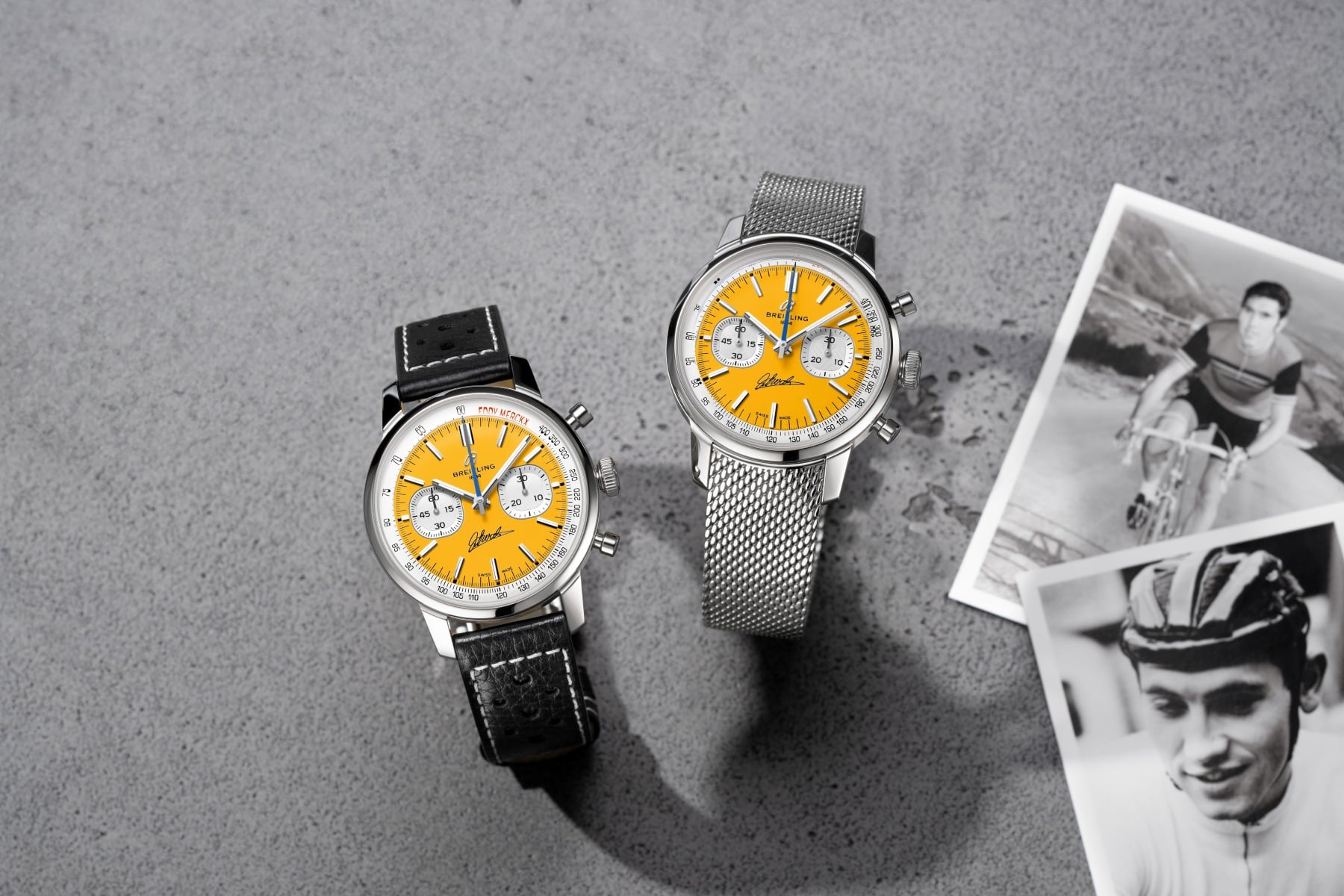
525 Victories, One Dial, and Cycling's Long Wait for a Wrist
Breitling's Eddy Merckx edition doesn't just reference a legend — it asks whether motorsport's younger sibling has finally earned its place in serious watch culture.
From the other desks.

800 Horsepower, One Ton of Doubt
Lamborghini built the most powerful SUV it's ever made. It's also slower than what it replaced.

ESPN Named Him. Then Unnamed Him. Nobody's Explaining the Gap.
A retraction without a reckoning is just a deleted link.

Hide My Email Has Been Showing Your Email
Apple's privacy flagship has a hole in it. They've known for over a year.