Golf Doesn't Care If You Can Golf
Tom Holland, LeBron, and Bryson's content calendar reveal what golf actually is now — and it has nothing to do with your handicap.
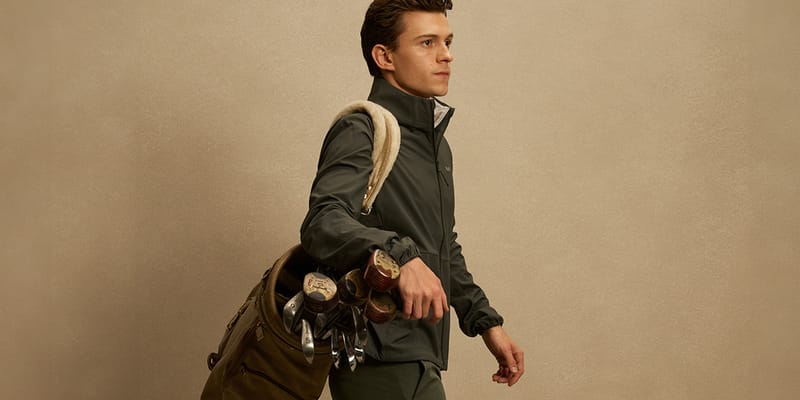
Photo · Hypebeast
Hypebeast noticed something worth noticing.
A piece published recently maps a quiet shift: golf is turning up in places it wasn't built for, carried by people who aren't exactly known for their short game. Tom Holland through a performance brand. LeBron alongside a sports content format where the vibe clearly outweighs the scorecard. Bryson DeChambeau and Kevin Hart at Augusta's par-3 contest, which — and this is the part that matters — became content first and golf second. A writer at Hypebeast clocked all of it and called it a new layer sitting closer to entertainment and visibility than anything the sport has traditionally relied on.
That's a careful way to say something that deserves to be said plainly: golf is now an aesthetic permission slip.
The Sport Was Never Really the Point
What these crossovers have in common isn't a love of the game. It's the wardrobe. The pace. The particular kind of seriousness that golf cosplay allows — serious enough to suggest discipline, relaxed enough to suggest you're not trying too hard. For a certain kind of celebrity, that's a very useful register to exist in. Tom Holland stepping into the sport through Vuori's performance lens isn't about birdies. It's about what that association communicates: considered, active, quietly confident. Golf as personal branding, executed through grass.
This isn't new behavior. What's new is that the sport itself seems to have accepted the arrangement. Bryson and Kevin Hart at the Masters par-3 contest isn't a stunt that golf is tolerating — it's content that golf is inviting. The format, as Hypebeast notes, matters more than the score. That sentence alone is a small earthquake if you understand what Augusta has historically stood for.
What the Clothes Already Knew
Fashion figured this out before the sport did. Golf-adjacent aesthetics — the clean lines, the technical fabric that reads as casual, the color palette that suggests you have somewhere to be but aren't rushing — have been creeping into everyday wardrobes for a while now. Not because people are playing more golf. Because the look communicates something desirable without requiring the commitment. You can wear the polo without touching a club.
What's happening now is the culture catching up to the clothes. Celebrities are using the sport the way fashion has been using its silhouette: as a signal, not a practice. LeBron appearing in a format where the frame matters more than the round is the same logic as wearing the aesthetic without playing the game. The optics are the point.
I don't think this makes golf lesser. If anything, it's interesting that a sport so historically guarded about its image has become this permeable — that it now accommodates Kevin Hart as comfortably as it accommodates Bryson, in the same round, at the same event, and calls it good. Reggie Bush building his own league within this expanding universe suggests the permeability is structural now, not just occasional.
The writer at Hypebeast frames all of this as crossovers worth watching. Fair. But what they're really tracking is a renegotiation of what golf means as a cultural object — and that renegotiation is being written not in rulebooks or handicap indexes, but in content calendars and brand partnerships.
The sport is fine with that. The question is whether the people using it as a backdrop ever pick up a club and mean it.
Keep reading fashion.

Gold Leaf on a Lacquer Dial, and the Weight of What That Costs
Awake's Frosted Leaf Royal Blue asks a question Vietnamese craft has never quite had to answer at this price.
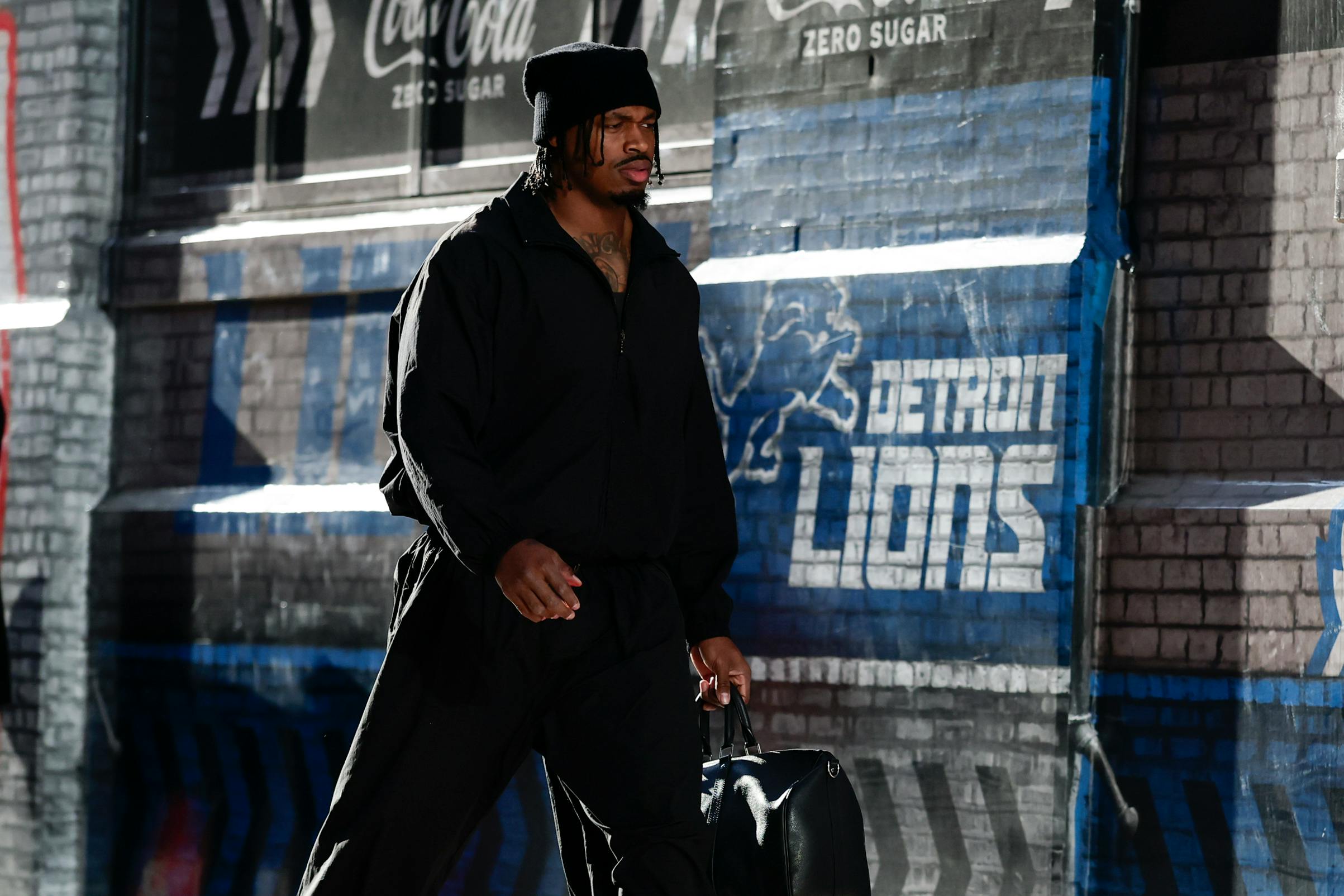
Kyle Smith Has a Job Title That Didn't Exist Before. That's the Whole Tell.
When the NFL hires a fashion editor, it's not about clothes — it's about who gets to decide what matters.
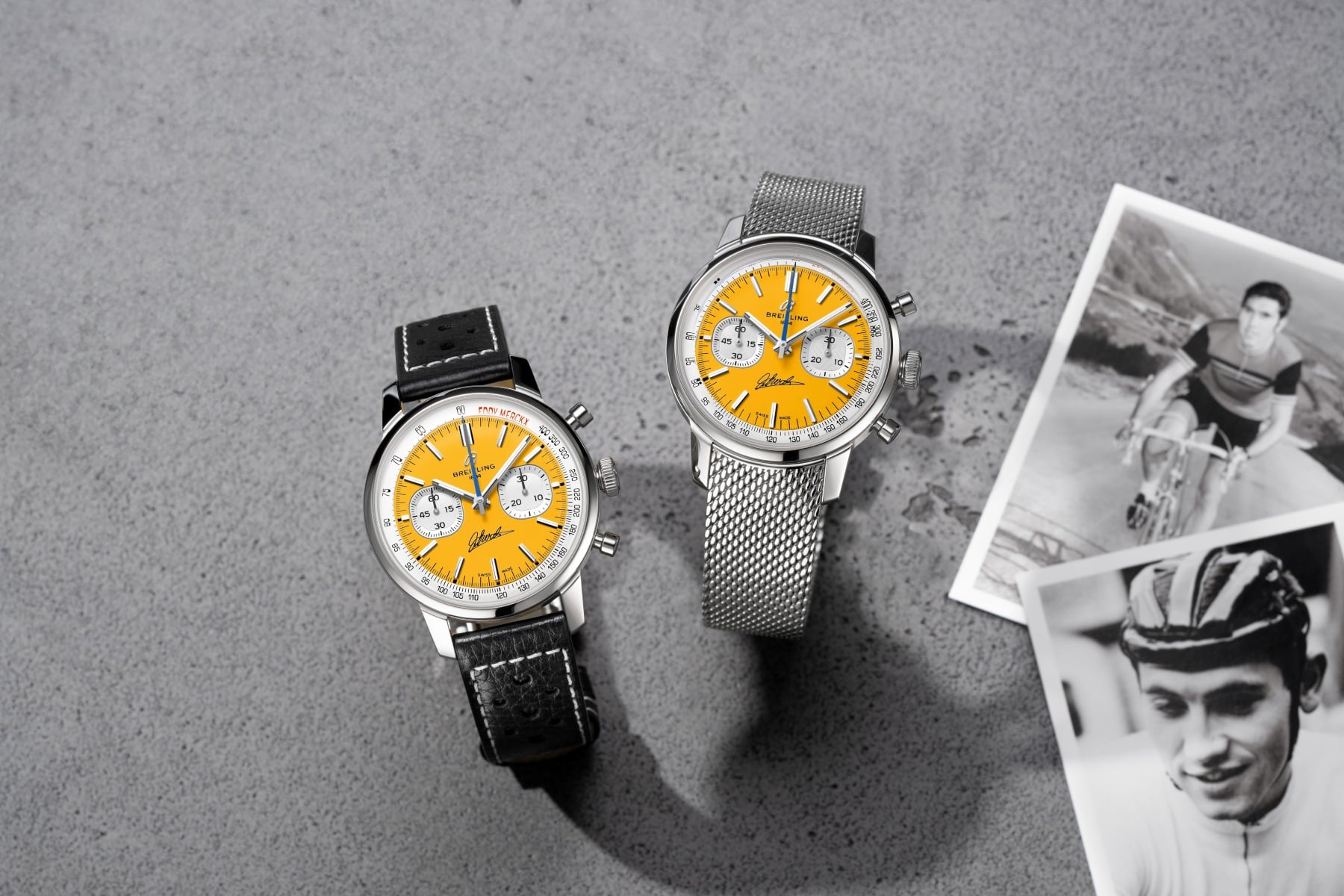
525 Victories, One Dial, and Cycling's Long Wait for a Wrist
Breitling's Eddy Merckx edition doesn't just reference a legend — it asks whether motorsport's younger sibling has finally earned its place in serious watch culture.
From the other desks.

800 Horsepower, One Ton of Doubt
Lamborghini built the most powerful SUV it's ever made. It's also slower than what it replaced.

ESPN Named Him. Then Unnamed Him. Nobody's Explaining the Gap.
A retraction without a reckoning is just a deleted link.

Hide My Email Has Been Showing Your Email
Apple's privacy flagship has a hole in it. They've known for over a year.