Nvidia Showed Up to a Fight Qualcomm Started and Couldn't Finish
RTX Spark is a real chip with real ambitions — but Windows on Arm has a body count, and the software graveyard doesn't care who's holding the shovel.
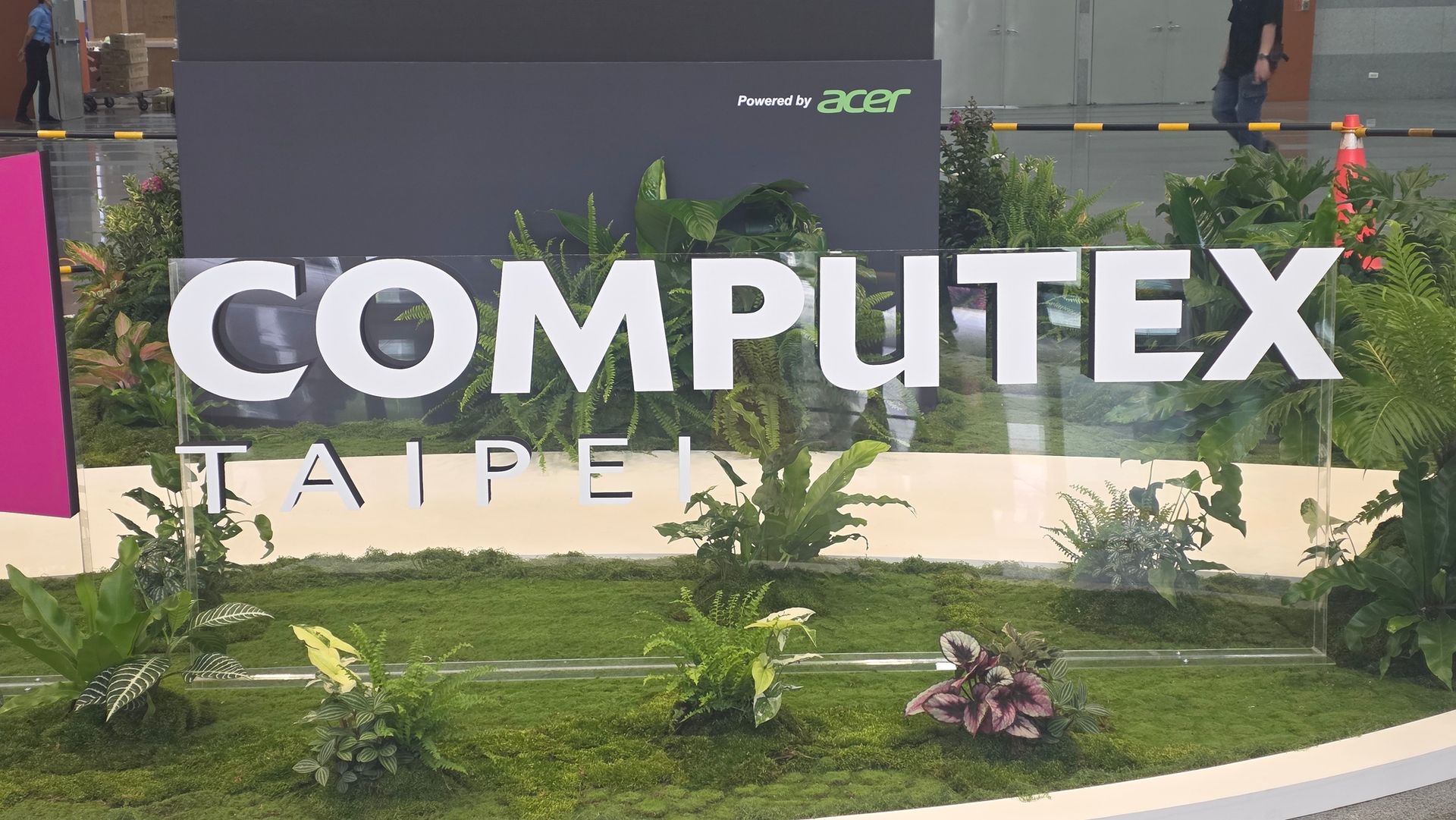
Photo · Latest from Tom's Hardware
Every few years, someone walks into the Windows laptop market promising the thing Apple has had for years: a chip that actually owns the whole stack, where the CPU and GPU aren't strangers introduced at the factory. Qualcomm tried. The performance never fully materialized, and the graphics gap was hard to ignore. Now Nvidia has unveiled what it's calling the RTX Spark superchip — a 20-core Arm-based Grace CPU and a Blackwell RTX GPU on a single package, announced May 31st ahead of its GTC Taipei event and formally paraded at Computex 2026.
The timing is not subtle. As one Tom's Hardware piece noted, Qualcomm's exclusive deal for Windows on Arm has expired, and the lane is open. Nvidia, with its GPU credibility intact after years of making the graphics cards that serious Windows users actually buy, is the most logical candidate to step into it. The Verge called it a potential "M1 moment" for Windows — the same inflection Apple created in 2020 when it stopped using Intel chips and started making its own. High praise. Carefully hedged.
The Architecture Argument Is Real
What Nvidia has going for it that Qualcomm didn't: nobody doubts Nvidia's GPU. That was always the soft underbelly of Windows on Arm — the graphics performance lagged, and for a platform trying to attract people who actually push their machines, that's not a footnote. Putting a Blackwell RTX GPU on the same package as an Arm CPU is a different proposition than what came before. The integrated architecture isn't a workaround. It's the product.
And the local AI angle matters here. The whole pitch for these chips — Nvidia's, Qualcomm's, Apple's — increasingly runs through on-device inference. You don't need the cloud for your AI tools if the chip underneath you is fast enough to run them locally. Nvidia has spent years building software infrastructure for AI workloads. If anyone can close the gap between "the chip can do this" and "your apps can actually use it," the argument is that Nvidia can.
The Software Tax Is Still Real Too
Here's where the cycle-watchers get cautious. Windows on Arm has a history that doesn't wash off with a new product launch. Compatibility issues, emulation overhead, apps that don't behave — these aren't Qualcomm-specific problems, they're Arm-on-Windows problems, and they don't disappear because a better chip arrived. The Verge's framing — that this could be Windows' M1 moment — is doing a lot of work with that one word. Could. Apple controlled the hardware, the OS, and the developer ecosystem. Microsoft controls the OS and is courting the developers. That's a different problem to solve.
The price question is also sitting in the room. The Verge flagged it directly: this launch feels like it's going to cost a lot. Apple's M1 moment was partly so powerful because the entry-level MacBook Air with an M1 chip was competitive on price. If RTX Spark machines arrive at the top of the market and stay there, the comparison to Apple becomes aspirational rather than structural.
Nvidia entering consumer laptop silicon is genuinely significant. The chip is real, the architecture is credible, and the timing — right as Qualcomm's exclusivity window closes — is either lucky or calculated, and probably both. But the graveyard of Windows on Arm promises is also real, and the headstone doesn't ask which company cast the shovel.
Keep reading tech.

Hide My Email Has Been Showing Your Email
Apple's privacy flagship has a hole in it. They've known for over a year.

Sony Killed the Disc. Sony Is Also Killing the Store.
Two announcements, one company, and a quiet admission that "ownership" was always their word to define.

Apple Went to the Highest Court It Could Find. That Tells You Everything.
When a contempt ruling sends you to the Supreme Court, you're not defending a policy anymore — you're defending a worldview.
From the other desks.

800 Horsepower, One Ton of Doubt
Lamborghini built the most powerful SUV it's ever made. It's also slower than what it replaced.

Gold Leaf on a Lacquer Dial, and the Weight of What That Costs
Awake's Frosted Leaf Royal Blue asks a question Vietnamese craft has never quite had to answer at this price.

ESPN Named Him. Then Unnamed Him. Nobody's Explaining the Gap.
A retraction without a reckoning is just a deleted link.