Rand Getlin Spent Four Years Inside the USMNT and Left the Hardest Part Out
When a documentary director tells you what he chose not to show, the omission becomes the film.
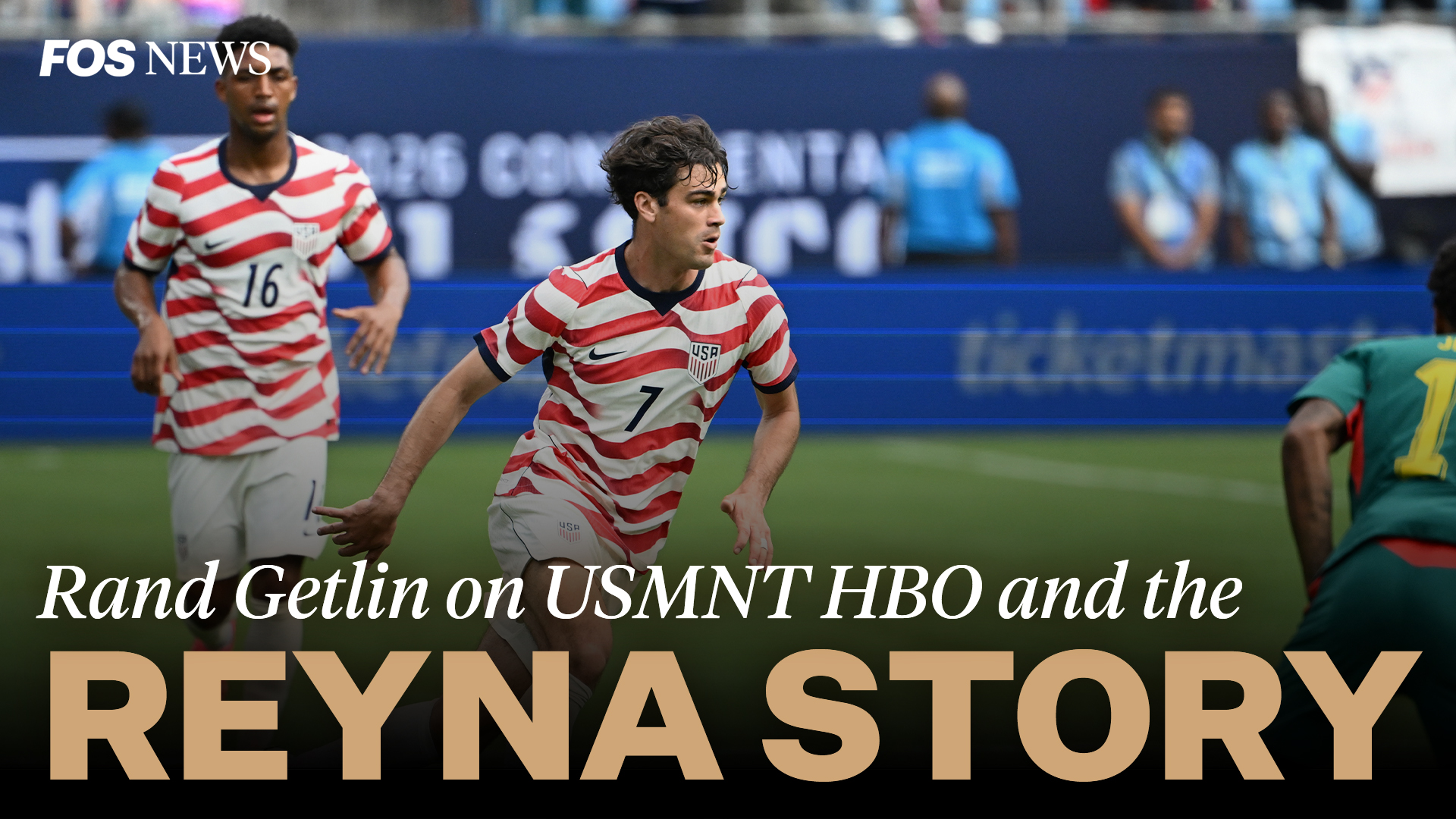
Photo · Front Office Sports
There's a version of access journalism where getting inside the room is the whole achievement. Four years. A deal with HBO. A camera pointed at the U.S. Men's National Team through whatever they were willing to let you see. By any measure, that's a serious undertaking, and director Rand Getlin earned it.
But access has a price. Sometimes you pay it up front. Sometimes it comes due later, in an edit bay, when you're deciding what stays and what gets quietly cut.
Getlin told Front Office Sports he wasn't going to "half-litigate" the Gio Reyna controversy. That phrase is doing a lot of work.
What "Half-Litigate" Actually Means
On its face, the logic sounds reasonable. The Reyna situation — the conflict between Reyna and then-head coach Gregg Berhalter that became one of the more combustible storylines around the 2022 World Cup cycle — is genuinely complicated. Multiple parties. Competing accounts. Real stakes for real people. A director could argue, credibly, that a partial treatment would be worse than no treatment at all: unfair to everyone involved, misleading to the audience, legally and ethically messy.
Getlin made that argument. And it's not wrong, exactly.
But here's what it also is: convenient. Because the alternative — the full treatment, the hard version, the one that names names and assigns weight to competing claims — would have required something the access model structurally discourages. It would have required the film to become adversarial toward some of the people who let it exist in the first place.
That's the tension nobody in the documentary space wants to say out loud. The same relationships that get you in the door are the ones that make it hardest to walk through it honestly.
The Credibility Problem Sports Docs Have Been Avoiding
Sports documentaries have had a remarkable decade. The form went from niche to prestige, from DVD extra to HBO deal. And with that elevation came a credibility assumption — that if a major platform put their name on it, someone somewhere had done the hard editorial work.
That assumption is starting to crack.
Not because filmmakers like Getlin are acting in bad faith. The four years of access, the commitment to the project — none of that is performative. But the form itself has a structural problem: it depends on the cooperation of its subjects, and subjects cooperate when they trust the outcome won't hurt them. The most revealing moments in any institution's story are almost always the ones that institution would prefer stayed dark.
When Getlin says he wasn't going to half-litigate the Reyna controversy, what he's also saying — whether he means to or not — is that the full litigation wasn't available to him. And if it wasn't available to him after four years inside the program, that tells you something important about what four years inside actually buys you.
It buys you proximity. It doesn't always buy you truth.
The audience watching an HBO documentary on the USMNT deserves to know the difference. Not because Getlin failed — he made a judgment call that serious journalists make all the time — but because the marketing of access as intimacy has trained viewers to equate closeness with candor. Those aren't the same thing. They're barely related.
Getlin's honesty about the omission is, in a strange way, the most trustworthy thing about the project. He said what he did and why. Most docs in his position would have just cut around it and hoped nobody noticed the shape of the hole.
But a hole is still a hole. And when the director tells you exactly where it is, you start to wonder what else the walls are holding up.
Keep reading sports.

ESPN Named Him. Then Unnamed Him. Nobody's Explaining the Gap.
A retraction without a reckoning is just a deleted link.

Three People Died Celebrating. FIFA Hasn't Said Their Names.
Mexico City buried three people after the World Cup crowds came through. At some point, the sport has to sit with that.

Sell the Stadium, Lose the Room
NFL franchises are rolling out the welcome mat for World Cup tourists — and the desperation is showing.
From the other desks.

800 Horsepower, One Ton of Doubt
Lamborghini built the most powerful SUV it's ever made. It's also slower than what it replaced.

Gold Leaf on a Lacquer Dial, and the Weight of What That Costs
Awake's Frosted Leaf Royal Blue asks a question Vietnamese craft has never quite had to answer at this price.

Hide My Email Has Been Showing Your Email
Apple's privacy flagship has a hole in it. They've known for over a year.