Greubel Forsey Wrote the Standard. Then Had to Prove It Across 298 Parts.
When a brand codifies craft as its own hallmark, the finishing stops being a feature and becomes the entire argument.
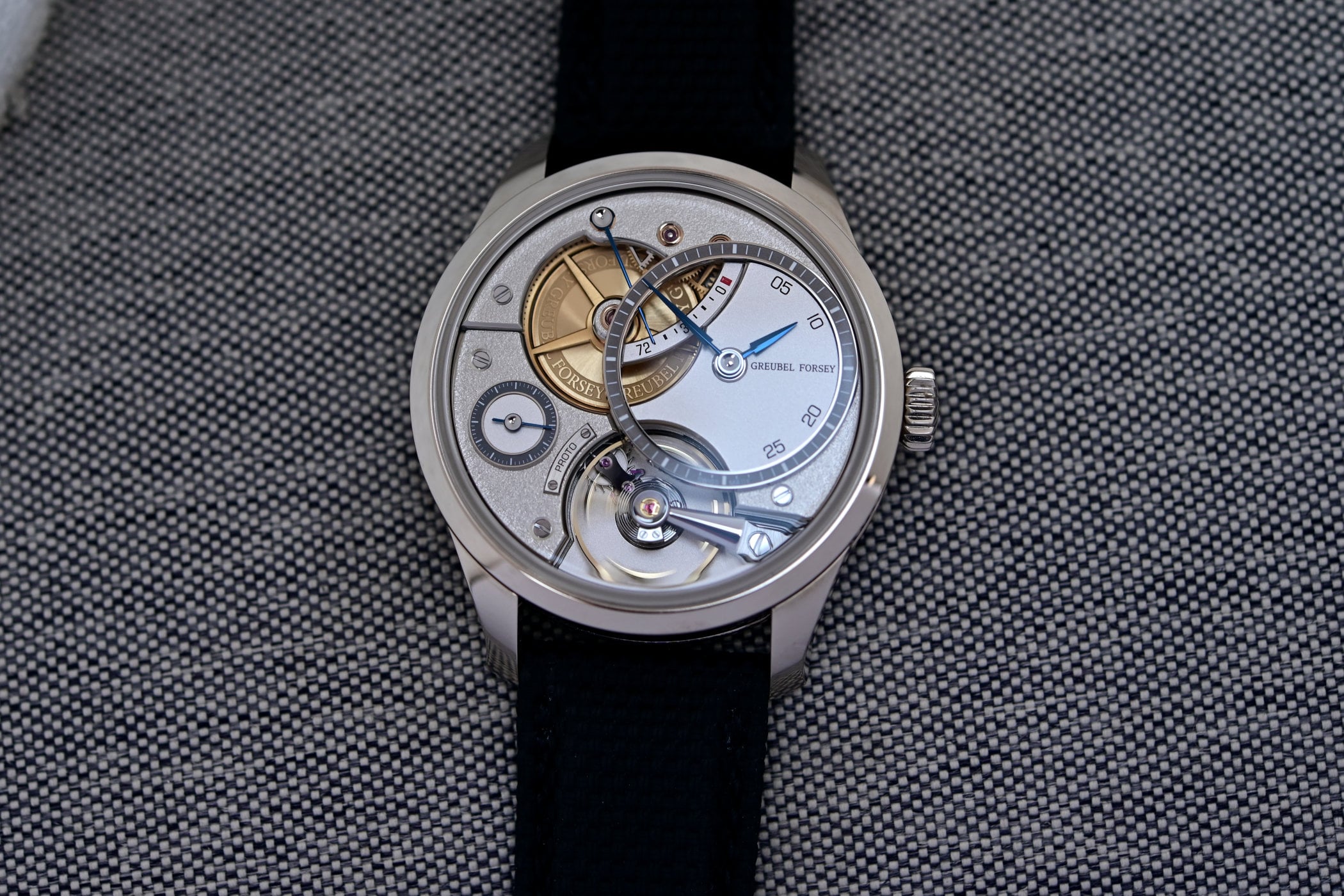
Photo · Monochrome Watches
There's a moment when a maker stops explaining what they do and starts defining what it means. Greubel Forsey reached that moment with the Balancier QM — not loudly, but with the kind of quiet certainty that only comes from knowing exactly how long something took to build.
The watch introduces a new internal designation called Qualité Musée, or QM — a finishing standard that, according to multiple outlets covering the launch, applies to every single component within the caliber. Not the visible ones. Not the ones a loupe might catch at an angle. All 298 of them. SJX described the piece as "partly a new watch, partly a manifesto," and that framing is the most honest thing written about it. Because what Greubel Forsey is really doing here isn't launching a watch. It's setting a benchmark against itself.
The Balancier as a Platform
The Balancier line has been evolving since 2017, when Greubel Forsey — a brand founded in 2004 and long associated with multi-axis tourbillons in outsized, architecturally complex cases — introduced a watch that pulled back on complications and let an enormous 12.6mm balance wheel command the dial. That was already a statement: we don't need the mechanism to be baroque to be worth your attention. The QM takes that restraint further. Built on the Balancier Contemporain platform, it arrives in a 39.6mm white gold case — described across coverage as genuinely wearable, which, for a brand whose cases have historically grown to accommodate their own ambitions, is worth noting.
Fratello observed that the QM sets a new bar applying to every component within the caliber. Monochrome called the finishing impressive. DEPLOYANT went behind the scenes, capturing CEO Michel Nydegger explaining the Qualité Musée philosophy directly. Revolution Watch noted it as the first watch to bear the hallmark. The consensus is rare in watch coverage: the finishing isn't a talking point. It's the story.
What It Costs to Make Craft the Only Product
Here's where it gets interesting, and where the coverage — thorough as it is — doesn't quite follow the thought all the way down.
When you codify craft as a formal standard, you've done something elegant and something precarious at once. Elegant, because it gives language to what was previously just reputation — a way of saying this is what we mean when we say it's done right. Precarious, because you've now made a promise with no room for exception. The QM designation doesn't say most of the 298 components meet this standard. It says all of them do. Every time. That's not marketing. That's a liability.
The brands that survive on finishing as their core argument are the ones who understand that precision isn't a differentiator once you've declared it non-negotiable — it's the floor. Everything after that is about whether the floor holds. Greubel Forsey, born from the EWT (Experimental Watch Technology) Laboratory, has the institutional seriousness to make this credible. The QM designation didn't emerge from a marketing meeting. But credibility is a starting position, not a permanent one.
What's being sold here is also something harder to quantify than a complication count or a power reserve: the idea that the parts no one will ever see are finished as carefully as the ones they will. That's a philosophical position as much as a technical one. And in a market where visibility has become the dominant currency — where the movement gets a sapphire exhibition back precisely so you can see it — there's something almost defiant about finishing the hidden parts just as obsessively.
The Balancier QM doesn't ask you to see everything. It asks you to trust that everything is there.
Keep reading fashion.

Gold Leaf on a Lacquer Dial, and the Weight of What That Costs
Awake's Frosted Leaf Royal Blue asks a question Vietnamese craft has never quite had to answer at this price.
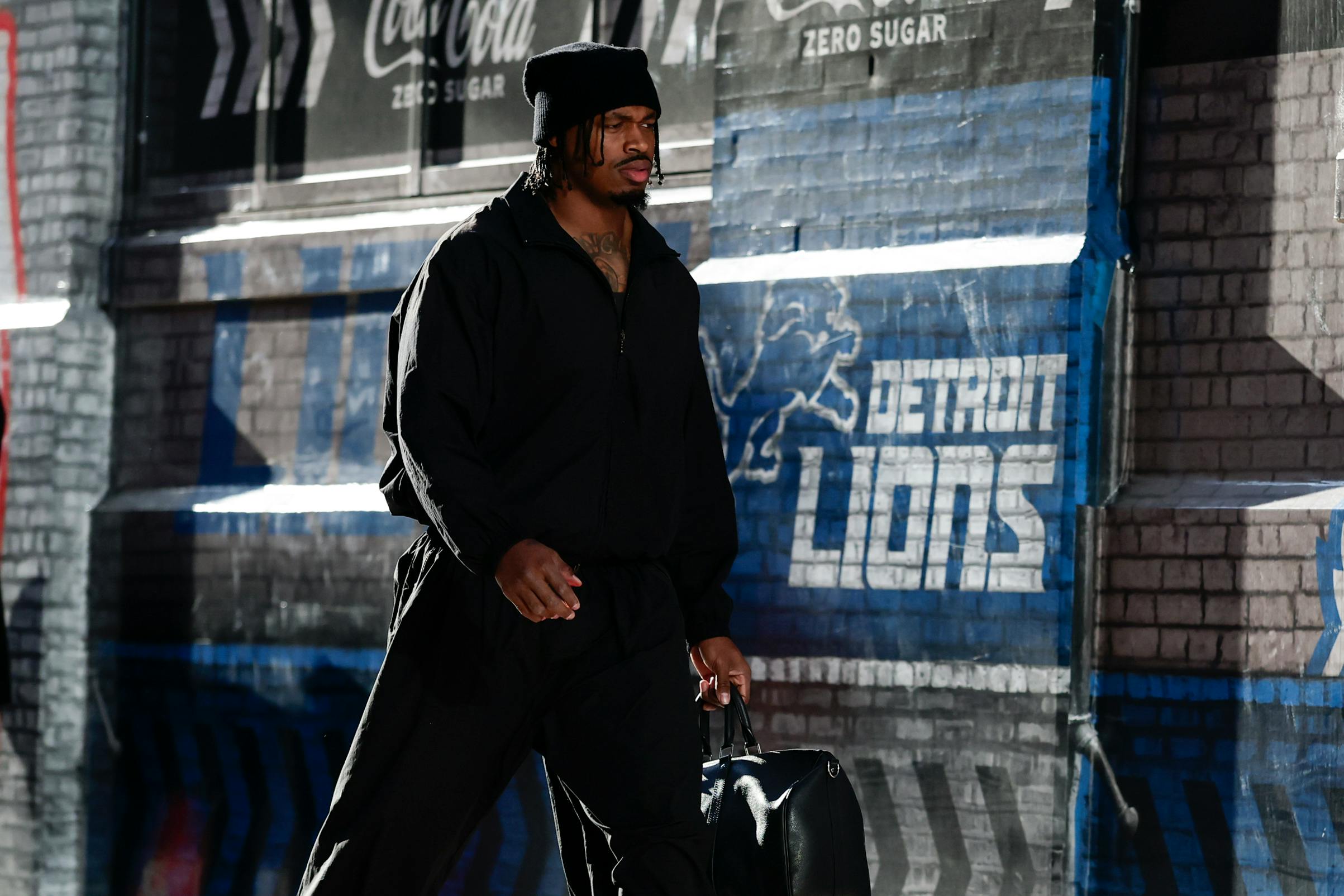
Kyle Smith Has a Job Title That Didn't Exist Before. That's the Whole Tell.
When the NFL hires a fashion editor, it's not about clothes — it's about who gets to decide what matters.
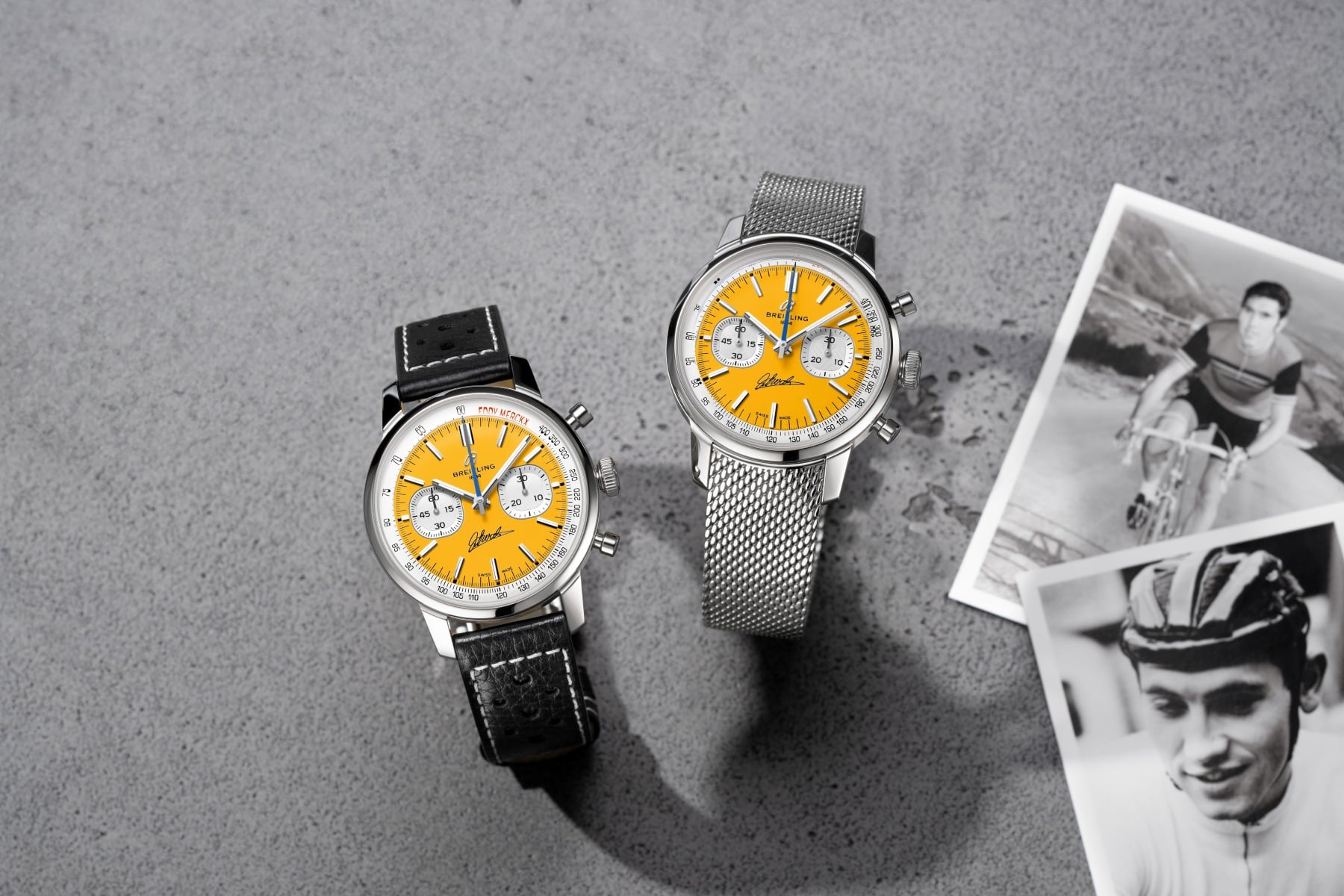
525 Victories, One Dial, and Cycling's Long Wait for a Wrist
Breitling's Eddy Merckx edition doesn't just reference a legend — it asks whether motorsport's younger sibling has finally earned its place in serious watch culture.
From the other desks.

800 Horsepower, One Ton of Doubt
Lamborghini built the most powerful SUV it's ever made. It's also slower than what it replaced.

ESPN Named Him. Then Unnamed Him. Nobody's Explaining the Gap.
A retraction without a reckoning is just a deleted link.

Hide My Email Has Been Showing Your Email
Apple's privacy flagship has a hole in it. They've known for over a year.