Hermès Built Something in Beijing That Has Nothing to Do With Selling Things
Five stories of rose-pink ceramic and imperial ambition — and every other flagship in the world just got quietly embarrassed.
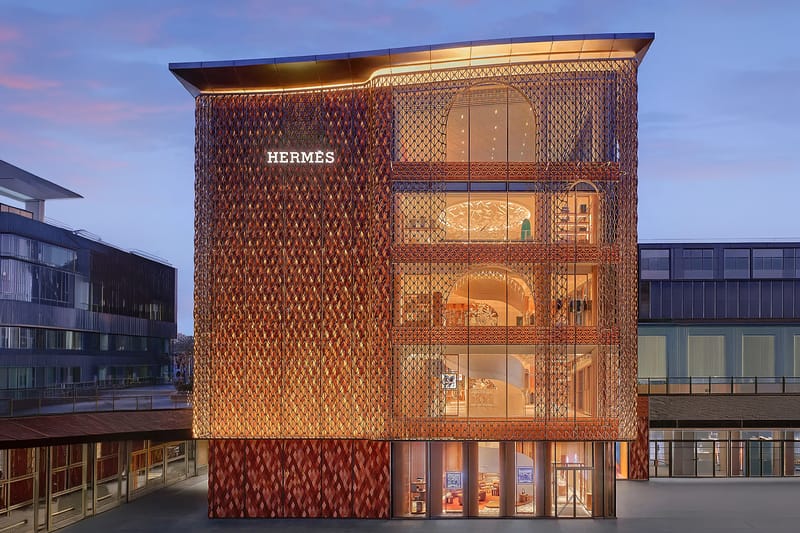
Photo · Hypebeast
Most brands open stores. Hermès builds arguments.
The new Beijing flagship at Sanlitun isn't a retail space that gestures toward culture. It's a building that understands where it's standing. Five stories. A rose-pink and terracotta ceramic facade that pulls the warmth of the Forbidden City across a few city blocks and into something entirely contemporary. RDAI — the firm that's shaped Hermès spaces for decades — worked alongside Mamou-Mani Architects on this one, and the collaboration shows. The building has a point of view.
That's rarer than it should be.
The Facade Is the Argument
Most flagship architecture lands in one of two failure modes. Aggressive minimalism that says nothing, or spectacle that says too much. Glass boxes. Starchitect signatures dropped into neighborhoods they don't know. Buildings that could be anywhere and therefore mean nothing.
This is neither. The ceramic cladding — rose-pink shading into terracotta — is a material choice with actual stakes. It references the imperial palette of the city without cosplaying it. It's contemporary without being cold. The kind of decision that looks obvious in retrospect and takes years to commit to. Mamou-Mani's parametric sensibility gives the surface movement and texture, so the building reads differently depending on where you're standing and what the light is doing. That's not decoration. That's architecture doing its job.
The commitment to natural light inside is the same logic extended inward. Sixteen métiers — leather goods, silk, watches, home — each get their own space, their own light, their own reason to exist. There's a difference between a store that displays objects and a store that makes you want to touch them. Hermès has always known which one actually converts.
This Isn't a Market Entry. It's a Fourth Act.
Here's what gets lost in the coverage: this is Hermès' fourth location in Beijing. Not their first. Not a test. The flagship is the result of a long relationship, not the opening bid of one.
That matters enormously. Most Western houses with a China strategy treat the market like a performance — showing up with the right words, the right collaborations, the right faces at the right events. Respect performed on a schedule. Hermès has been doing something different, which is just showing up, consistently, for a long time, and letting the work speak. The Beijing flagship is what that looks like when it compounds.
The building doesn't explain itself. It doesn't need to. There's no plaque about cultural sensitivity. No press release language about honoring local heritage. The architecture just knows where it is. That's the hardest thing to fake, which is why so few brands manage it.
The comparison that keeps coming to mind is the difference between someone who learned a few phrases before visiting a country and someone who spent years there. Both might say the right words. Only one of them sounds like they mean it.
Every brand with a China flagship — or ambitions toward one — should look at this building seriously. Not to copy the ceramic facade or the five-story atrium or the natural light strategy. Those are answers to questions Hermès earned the right to ask. The real question is whether their own presence in that market looks like commitment or just attendance.
Most of them already know the answer.
Keep reading fashion.

Gold Leaf on a Lacquer Dial, and the Weight of What That Costs
Awake's Frosted Leaf Royal Blue asks a question Vietnamese craft has never quite had to answer at this price.

Kyle Smith Has a Job Title That Didn't Exist Before. That's the Whole Tell.
When the NFL hires a fashion editor, it's not about clothes — it's about who gets to decide what matters.
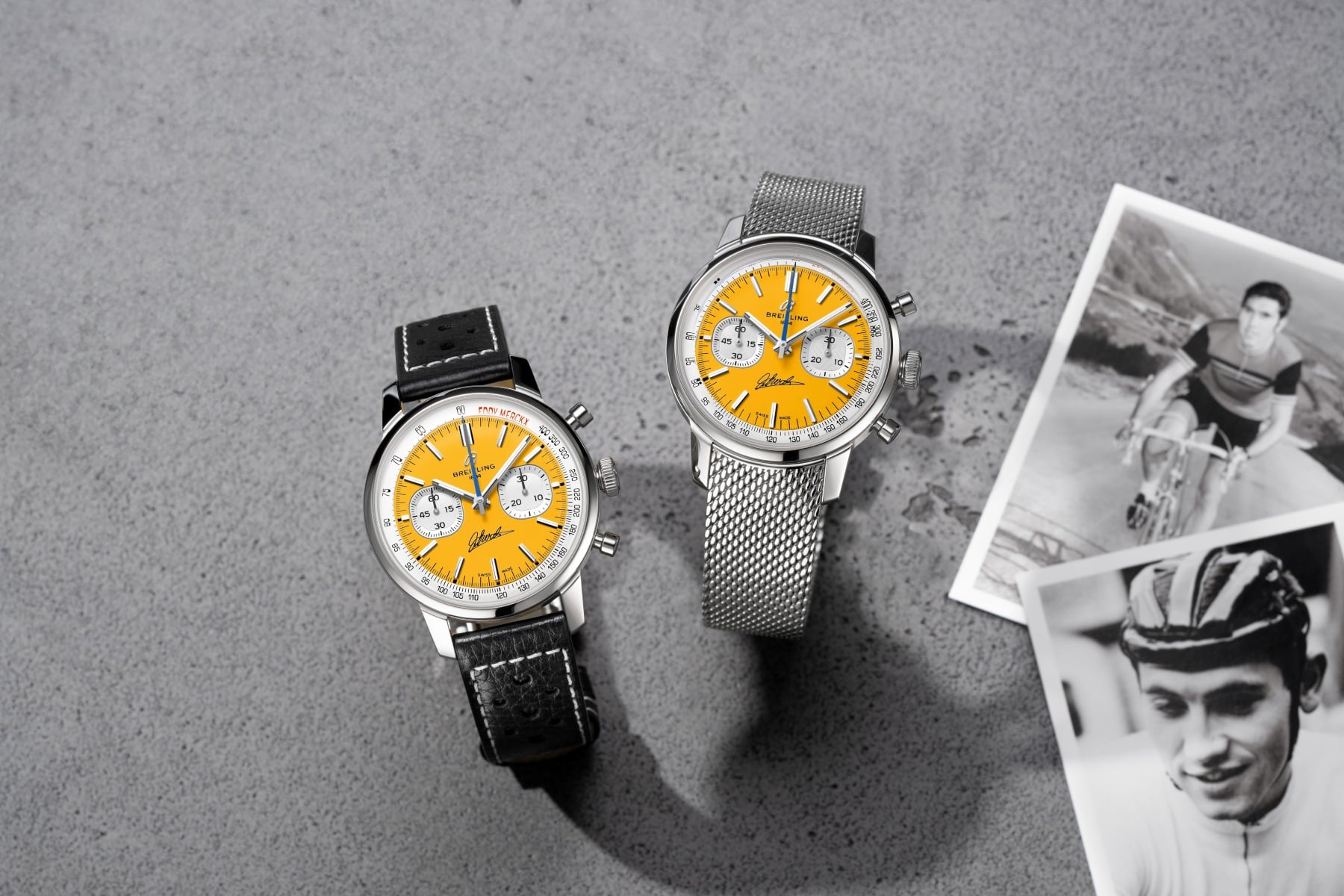
525 Victories, One Dial, and Cycling's Long Wait for a Wrist
Breitling's Eddy Merckx edition doesn't just reference a legend — it asks whether motorsport's younger sibling has finally earned its place in serious watch culture.
From the other desks.

800 Horsepower, One Ton of Doubt
Lamborghini built the most powerful SUV it's ever made. It's also slower than what it replaced.

ESPN Named Him. Then Unnamed Him. Nobody's Explaining the Gap.
A retraction without a reckoning is just a deleted link.

Hide My Email Has Been Showing Your Email
Apple's privacy flagship has a hole in it. They've known for over a year.