Marine Serre Went Back to the Archive. Under Armour Let Her.
A collaboration built on late-2000s athletic memory raises a quieter question about who gets to decide when a brand is ready for fashion.
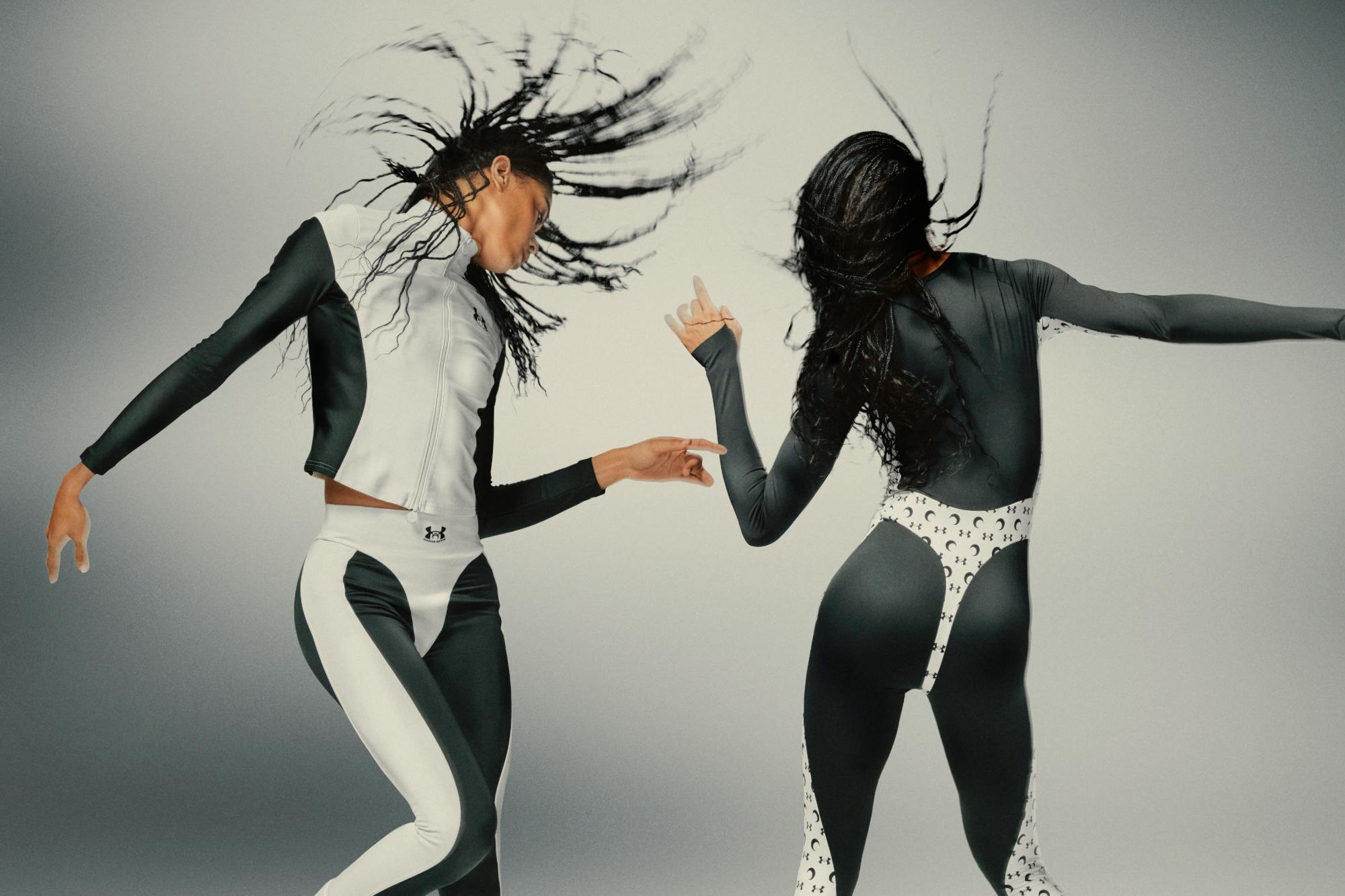
Photo · Highsnobiety
There's a version of this story where Under Armour hires a famous designer, slaps a logo on a hoodie, and calls it a moment. That's not what happened here.
The collaboration between Marine Serre and Under Armour — the first between the two — starts somewhere more specific: the brand's late-2000s archive. Not the current catalog. Not whatever's moving units this quarter. The stuff from back when Under Armour was still figuring out what it was, before it became a fixture in every high school locker room in America. Serre went looking there, and what she found was apparently worth rebuilding.
According to coverage in Hypebae, the collection centers on Under Armour's HeatGear fabric, reworked into sleek, body-hugging silhouettes in a black-and-white palette. The construction is clean. The shapes are close to the body. And running through the whole thing is a custom print — Serre's crescent moon alongside Under Armour's heartbeat logo, merged into something that belongs to neither brand alone and both brands entirely.
Serre's own background matters here. She's a former competitive tennis player, not a designer who arrived at sportswear through mood boards and trend reports. That's not a minor detail. It means the athletic vocabulary she's working with isn't borrowed. She already knew what HeatGear was supposed to do before she started asking what else it could do.
The Permission Structure
Highsnobiety framed the collaboration as evidence that Under Armour's fashion ambitions deserve to be taken seriously — and positioned it as just the opening move in what they called the brand's biggest, most fashionable year to date. That framing is interesting not because it's wrong but because of what it implies: that Under Armour has been waiting for permission.
For a long time, the performance-versus-fashion divide ran on a kind of unspoken protocol. Performance brands made things that worked. Fashion brands made things that meant something. The two categories occasionally acknowledged each other, usually through a collaboration that felt more like a photo opportunity than a genuine exchange. Serre and Under Armour don't feel like that.
What's different is the archive move. When a designer reaches backward into a performance brand's history rather than forward into its current identity, she's saying something specific: that the original object already had something worth recovering. That the value was there before the fashion world arrived to validate it. That's a different kind of collaboration — less about lending credibility and more about recognizing what was already there.
Nostalgia has become the dominant permission structure in fashion, which is either a symptom of exhaustion or proof that the industry has finally learned to look at what it already made. Probably both. But the best version of that impulse — the one that actually produces something worth wearing — is when the designer doing the looking has a reason to look. Serre had a reason.
What It Means to Blur a Line
The phrase "blurs the line between performance wear and fashion" appears in coverage of roughly one hundred collaborations a year. Most of them don't. They just put a technical fabric inside a silhouette that looks fashionable, or they put a fashion brand's name on something that already performed well, and they call the resulting product a conversation.
A second-skin silhouette in HeatGear with a merged logo print and a black-and-white palette isn't trying to look like sportswear or trying to look like fashion. It's trying to look like the thing it actually is — which is a designer who competed in a sport, finding the clothes from that era of her life, and making them into something she'd want to wear now.
That's a small distinction. It's also the only one that matters.
The brands that figure out they don't need to pretend anymore — that the archive is the argument, not the obstacle — are the ones that end up meaning something to people who weren't already paying attention.
Keep reading fashion.

Gold Leaf on a Lacquer Dial, and the Weight of What That Costs
Awake's Frosted Leaf Royal Blue asks a question Vietnamese craft has never quite had to answer at this price.
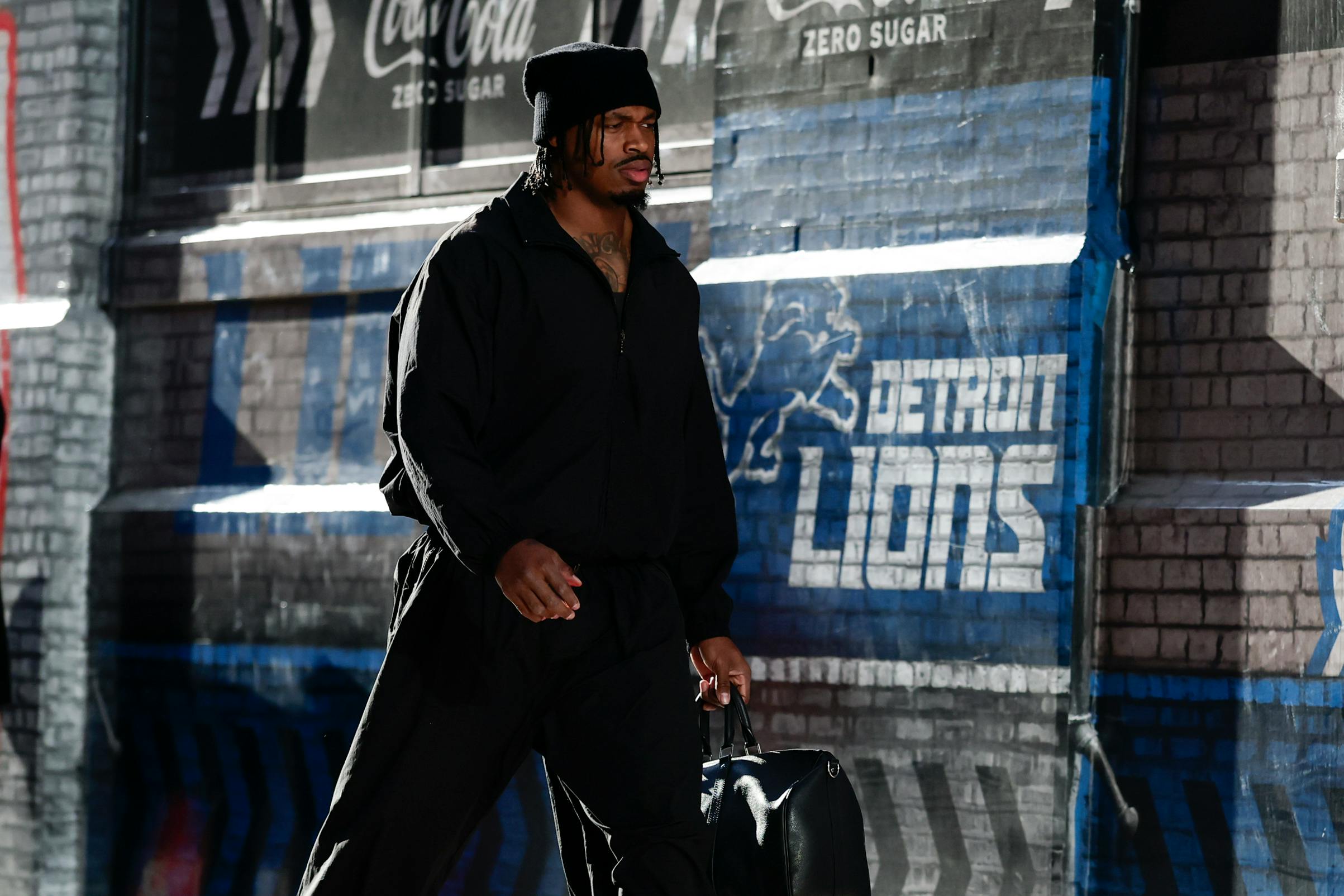
Kyle Smith Has a Job Title That Didn't Exist Before. That's the Whole Tell.
When the NFL hires a fashion editor, it's not about clothes — it's about who gets to decide what matters.
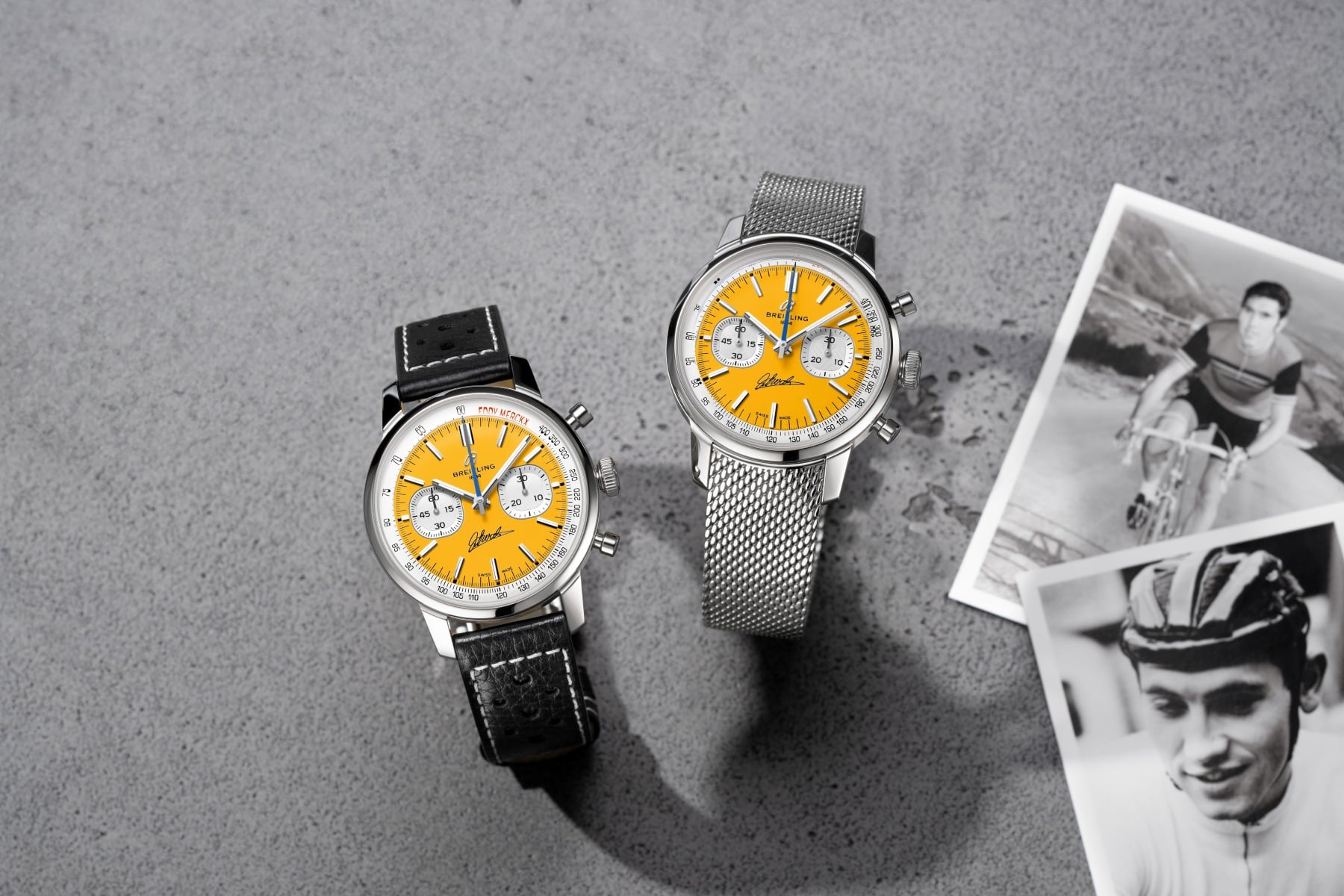
525 Victories, One Dial, and Cycling's Long Wait for a Wrist
Breitling's Eddy Merckx edition doesn't just reference a legend — it asks whether motorsport's younger sibling has finally earned its place in serious watch culture.
From the other desks.

800 Horsepower, One Ton of Doubt
Lamborghini built the most powerful SUV it's ever made. It's also slower than what it replaced.

ESPN Named Him. Then Unnamed Him. Nobody's Explaining the Gap.
A retraction without a reckoning is just a deleted link.

Hide My Email Has Been Showing Your Email
Apple's privacy flagship has a hole in it. They've known for over a year.