Meteorite Won't Save a Movement the Watch World Already Wrote Off — Except It Might
Furlan Marri put a billion-year-old dial on a movement collectors still argue doesn't count. The argument is getting harder to make.

Photo · Hodinkee
The watch press has a tell. When a brand does something genuinely disruptive, the coverage clusters around the material and stays politely quiet about the mechanism. Every piece on the Furlan Marri Meteorite Octa does exactly that.
Hodinkee called it awesome. Fratello called it a potential knockout. Time+Tide reached for interstellar. Oracle Time logged it as a limited addition to the mechaquartz collection. Four outlets, four different tones, one shared instinct: lead with the Gibeon meteorite dial, let the movement ride in the back seat.
That's not wrong. The dial is the story — visually. But it's not the interesting story.
The Movement Nobody Wants to Defend
Mechaquartz is a hybrid. Mechanical energy, quartz regulation. It gives you the sweep of an automatic without the cost of a proper movement. The traditional watch world spent decades treating it as a compromise — good enough for fashion watches, not serious enough for collectors. That stigma calcified fast and held for a long time.
Furlan Marri built a brand on ignoring it.
The premise from the beginning was simple: take the aesthetic language of mid-century Swiss chronographs — the proportions, the registers, the dial texture — and execute it at a price that doesn't require a conversation with your accountant. The mechaquartz movement wasn't a concession. It was the point. The whole value proposition lives or dies on whether the case, dial, and finishing can carry enough weight that the movement becomes a non-issue.
For most of their catalog, the answer has been yes. Grudgingly, then genuinely.
Where Meteorite Changes the Equation
Here's the tension nobody's naming directly. A meteorite dial isn't a mid-century detail. It's not faithful to anything. It's a flex — a material that signals rarity, age, and otherworldliness all at once. Fratello came closest to touching the risk, noting that without careful execution, moves like this can read as a cheap trick. They're right to flag it. Meteorite has been used on Rolexes, on Pateks, on pieces where the movement underneath has its own argument for seriousness. Dropping it on a mechaquartz chronograph is either a statement of supreme confidence or a brand momentarily forgetting its own lane.
I think it's the former. But the margin is thinner than the coverage suggests.
What Furlan Marri is actually doing — across this piece and the broader catalog — is a slow rehabilitation of mechaquartz as a legitimate platform for design ambition. Not engineering ambition. Design ambition. The Meteorite Octa isn't asking you to care about the movement. It's asking you to care about the object. That's a different pitch, and it's one the accessible segment rarely makes with this much conviction.
The limited window — a few days to decide, as Hodinkee noted — is part of the argument too. Scarcity is usually a marketing tool. Here it functions more like a proof of seriousness. This isn't a permanent catalog addition hedging its bets. It's a stake in the ground.
What the Coverage Misses Collectively
Every source treated the Meteorite Octa as a material upgrade on an existing favorite. None of them asked the harder question: what does it mean that the most visually ambitious drops in the accessible chronograph segment keep happening on a movement type the industry still can't fully endorse?
The answer, I think, is that the industry's endorsement has become less relevant than it used to be. The buyers Furlan Marri is talking to aren't waiting for WatchTime to validate their purchase. They're buying with their eyes and their gut, and their gut is telling them that a meteorite dial on a well-proportioned case at this price point is a better object than a lot of things with approved movements costing three times as much.
They're probably right.
Mechaquartz didn't get rehabilitated. It just stopped needing to be.
Keep reading fashion.

Gold Leaf on a Lacquer Dial, and the Weight of What That Costs
Awake's Frosted Leaf Royal Blue asks a question Vietnamese craft has never quite had to answer at this price.
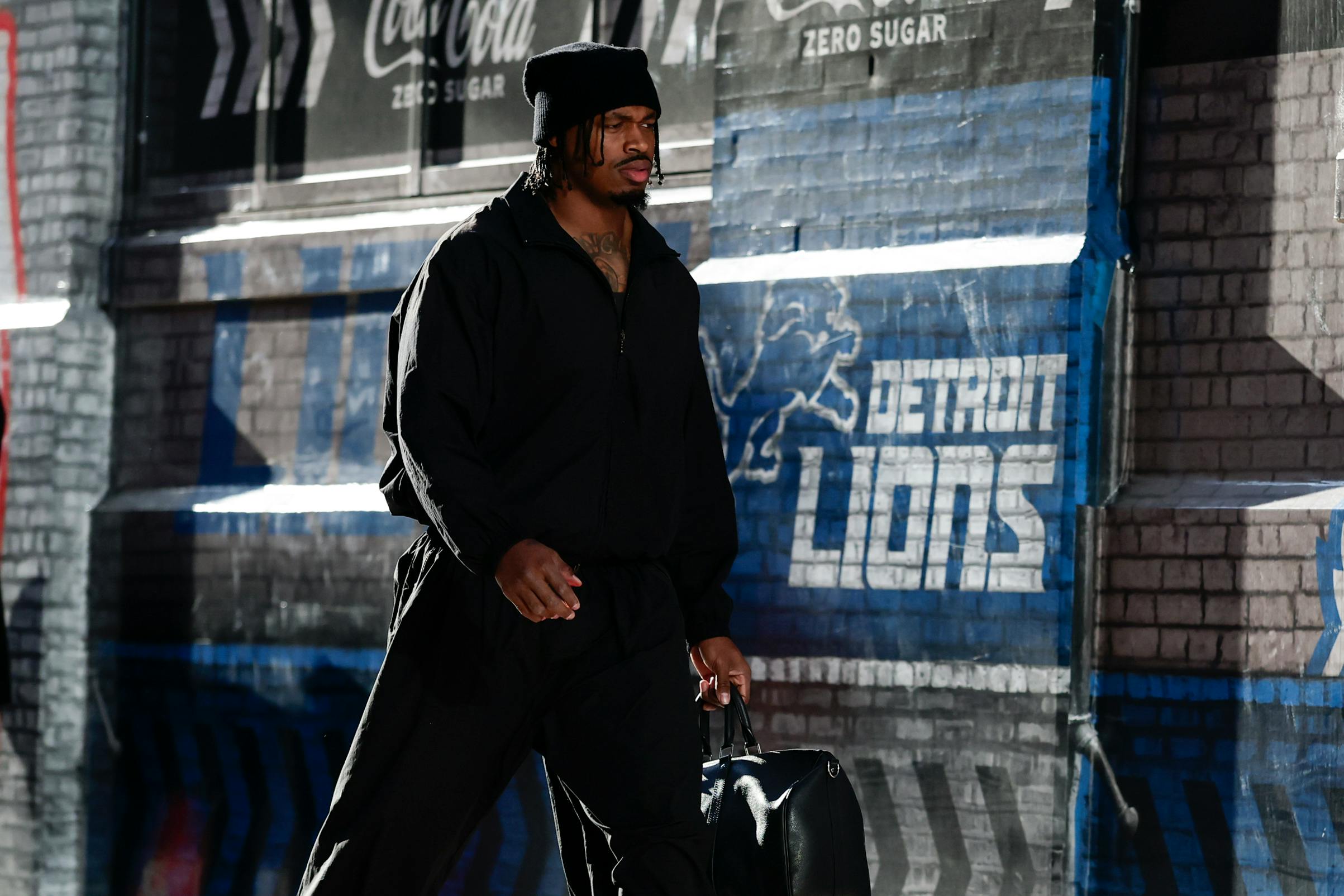
Kyle Smith Has a Job Title That Didn't Exist Before. That's the Whole Tell.
When the NFL hires a fashion editor, it's not about clothes — it's about who gets to decide what matters.
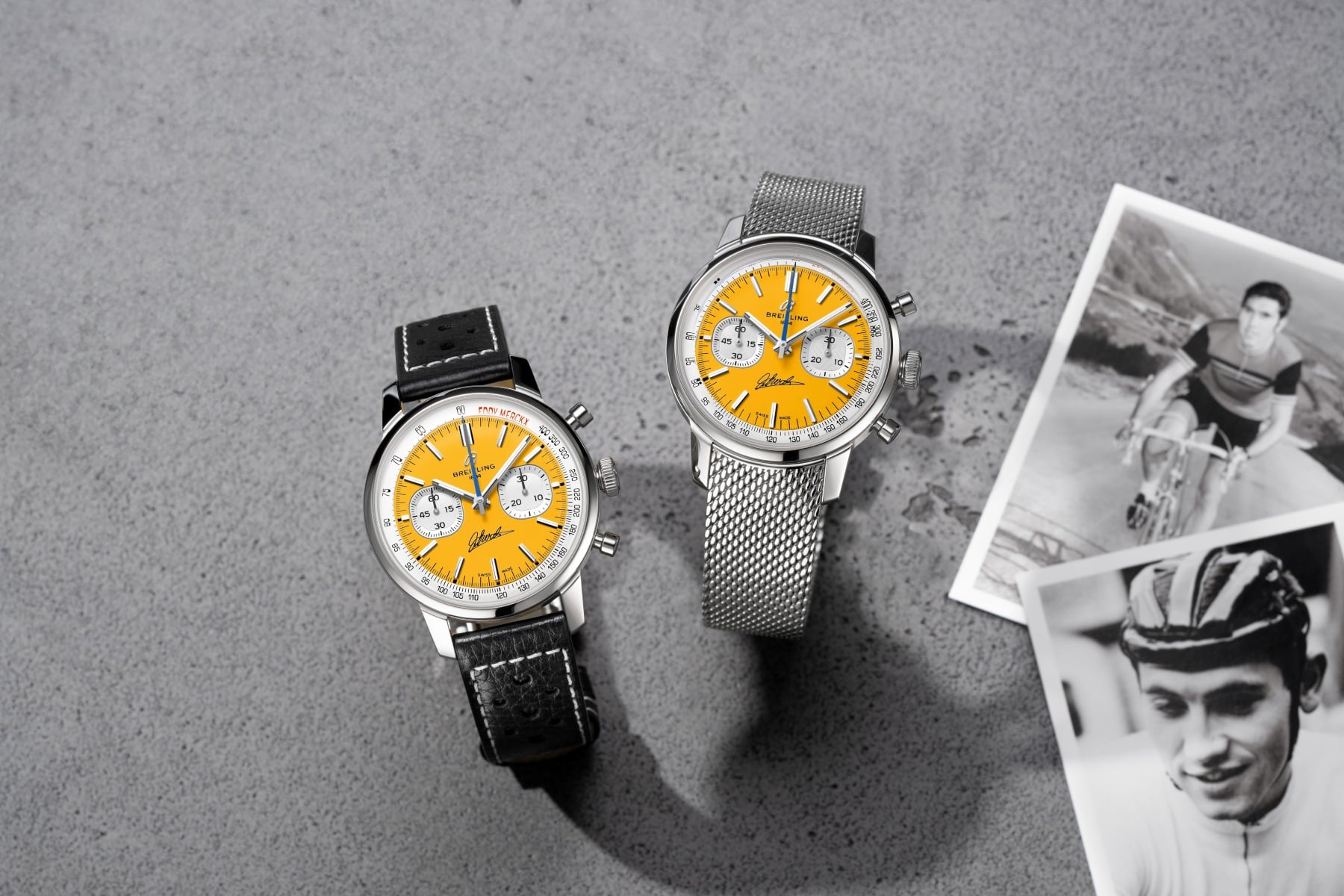
525 Victories, One Dial, and Cycling's Long Wait for a Wrist
Breitling's Eddy Merckx edition doesn't just reference a legend — it asks whether motorsport's younger sibling has finally earned its place in serious watch culture.
From the other desks.

800 Horsepower, One Ton of Doubt
Lamborghini built the most powerful SUV it's ever made. It's also slower than what it replaced.

ESPN Named Him. Then Unnamed Him. Nobody's Explaining the Gap.
A retraction without a reckoning is just a deleted link.

Hide My Email Has Been Showing Your Email
Apple's privacy flagship has a hole in it. They've known for over a year.