Ming Named It 'Peep Show' and Meant It as a Philosophy
The 29.06 isn't a dial — it's a moving argument about what watches are allowed to do.
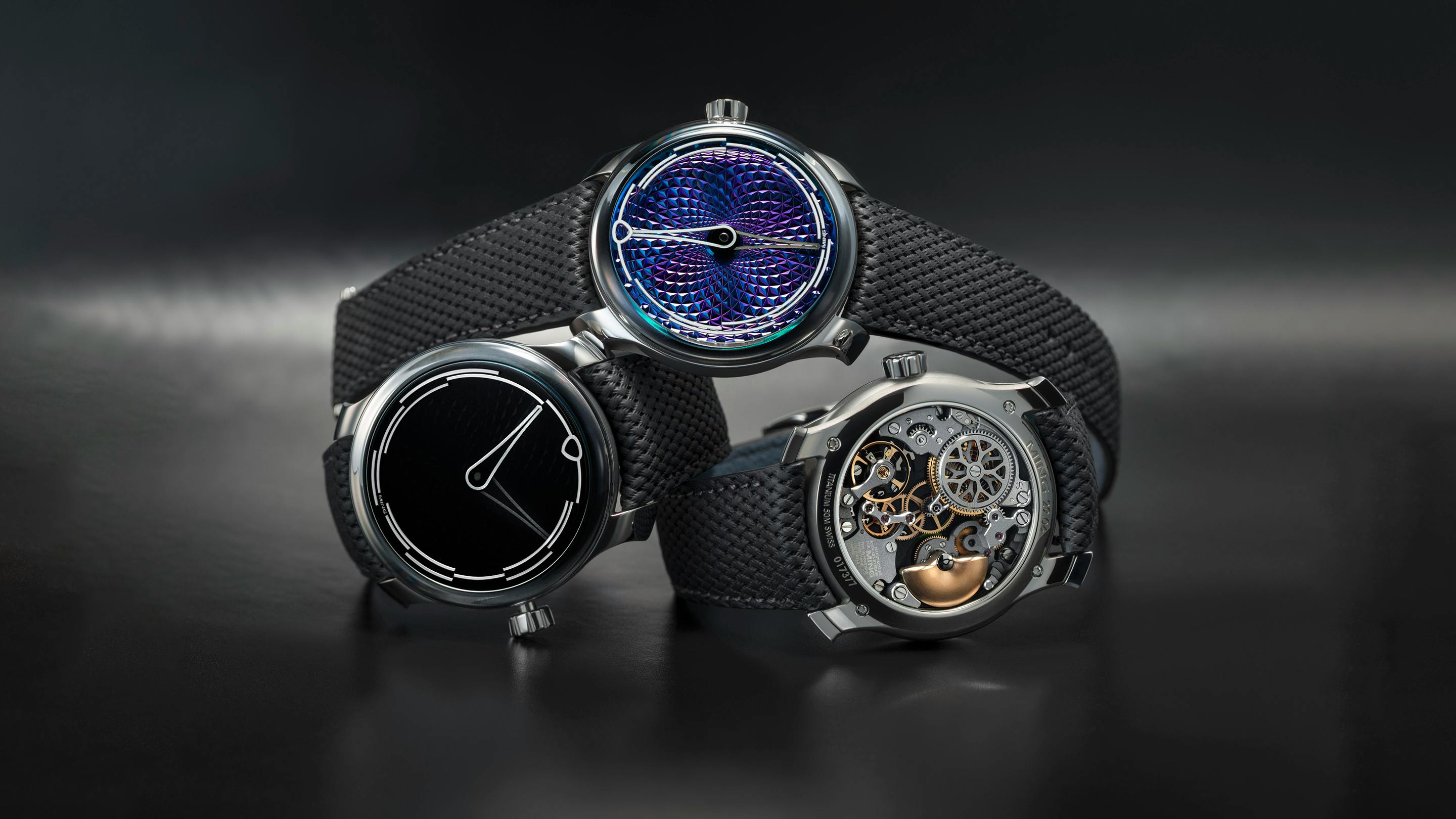
Photo · Hodinkee
There's a moment in watch collecting when you realize that restraint, as a design language, has its own orthodoxy. Minimalism became a doctrine. Clean became a credential. And somewhere in that process, a lot of micro-brands started making watches that looked thoughtful but felt like they had nothing to say.
Ming has been chipping away at that for a while now. Monochrome traces a clear arc: from the brand's early work with light and transparency, through layered dial constructions, into increasingly technical territory with pieces like the 29.01 Worldtimer. The direction was always there if you were paying attention. The 29.06 Peep Show is just where that trajectory became impossible to ignore.
What It Actually Does
The mechanism is borrowed — conceptually, at least — from photography. Hodinkee notes that the watch uses a clever application of a tool photographers know well, paired with a customized movement. The result is a dial that doesn't sit still. It changes with the watch. That's not a feature in the spec-sheet sense. It's a position.
Worn & Wound spent time on the name, and they were right to. A name like 'Peep Show' doesn't happen by accident and it doesn't happen from a brand that's playing it safe. It's provocative in a way that's almost architectural — it tells you exactly what the experience is before you've looked at the watch. You are being invited to look through something. The watch is aware of being watched. There's a loop there that most timepieces never bother to create.
Revolution covered the introduction straightforwardly, but the broader implication sits underneath the announcement: this is a watch that treats its own mechanism as a participant in the aesthetic, not a supporting actor hidden behind the dial.
The Shift That Matters
What the coverage across these four outlets adds up to — without quite saying it directly — is that the terms of serious independent watchmaking have moved. For a stretch, the marker of a credible micro-brand was what you left out. How spare could the dial be. How considered the absence. That was a real and valid language, and Ming spoke it well in their earlier work.
But the 29.06 suggests that the next marker is something different: technical complexity worn with a light touch. Playfulness as rigor. The Peep Show is not a simple watch pretending to be complicated. It's a complicated watch that refuses to be solemn about it. That combination — genuine mechanical ambition delivered with a name that makes you smile — is harder to pull off than it looks, and rarer than it should be.
The independent watch world has long known how to make things that are interesting to look at. Fewer brands know how to make things that are interesting to think about. Ming, with this one, is doing both — and the name is doing as much work as the movement.
A watch called 'Peep Show' that actually rewards the looking: that's a complete sentence.
Keep reading fashion.

Gold Leaf on a Lacquer Dial, and the Weight of What That Costs
Awake's Frosted Leaf Royal Blue asks a question Vietnamese craft has never quite had to answer at this price.

Kyle Smith Has a Job Title That Didn't Exist Before. That's the Whole Tell.
When the NFL hires a fashion editor, it's not about clothes — it's about who gets to decide what matters.
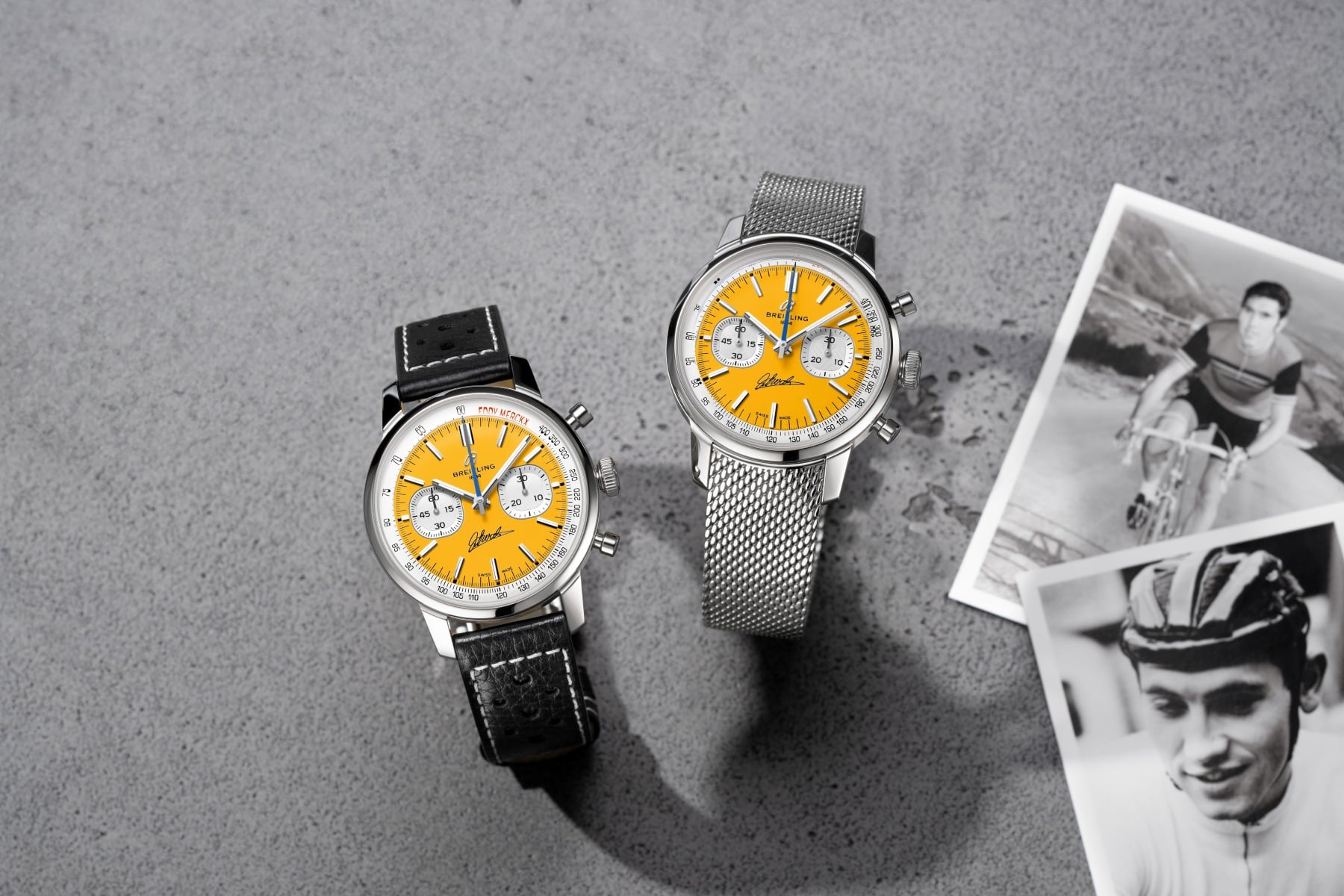
525 Victories, One Dial, and Cycling's Long Wait for a Wrist
Breitling's Eddy Merckx edition doesn't just reference a legend — it asks whether motorsport's younger sibling has finally earned its place in serious watch culture.
From the other desks.

800 Horsepower, One Ton of Doubt
Lamborghini built the most powerful SUV it's ever made. It's also slower than what it replaced.

ESPN Named Him. Then Unnamed Him. Nobody's Explaining the Gap.
A retraction without a reckoning is just a deleted link.

Hide My Email Has Been Showing Your Email
Apple's privacy flagship has a hole in it. They've known for over a year.