Naomi Osaka Wore a Story. Wimbledon Barely Looked Up.
When ceremonial dress becomes the most considered thing on Centre Court, ask who the court is actually for.

Photo · Sportico.com
There is a version of athlete fashion that exists purely as spectacle — logo placement dressed up as identity, a stylist's vision passed off as the player's own. Then there is what Naomi Osaka walked onto the Wimbledon grounds wearing, and the two deserve to be held apart.
Osaka's walk-on outfit, designed by Hana Yagi, was described by Vogue as a love letter to Japanese ceremonial dress. Osaka herself offered the frame directly: "I like to use fashion as a medium for storytelling." That sentence is doing real work. Not I like fashion. Not I wanted to look good. Storytelling — which implies an author, a deliberate structure, a reader you're hoping will actually pay attention.
Wimbledon, that week, had other things on its mind.
The Noise Around the Quiet
Day 2 at SW19 was thick with narrative pull. Serena Williams, playing her first singles match since 2022 according to live coverage from The Athletic, was back — and with Venus in the doubles draw alongside her, the Williams gravitational field was doing what it always does: bending every other story toward itself. That is not a criticism. That is just physics.
But it creates a condition worth naming. When the week's dominant story is a comeback — one carrying the full weight of Serena's 23 Grand Slam titles and everything that comes with that history — a player who arrives with something genuinely considered to say through her clothes is working against a very loud current. The outfit becomes a footnote in the live blog, a Vogue sidebar, a detail consumed between match scores.
Osaka's design choice wasn't a photo-op gesture. Japanese ceremonial dress carries specific cultural weight — it communicates occasion, lineage, intention. Yagi's involvement signals craft, not commerce. This is the kind of collaboration where the designer and the athlete are in actual conversation, not just in a contract. Vogue understood that. The question is whether the broader sports audience was given the chance to.
When the Backdrop Swallows the Frame
Athletes have been wearing meaning into arenas for years now. The language around it has become almost too fluent — personal expression, cultural identity, fashion as statement — until the vocabulary itself starts to sound like the press release. What Osaka did at Wimbledon is the thing that language is supposed to describe, and yet the coverage around it reveals the trap: when the event is crowded enough, even a genuinely authored moment gets processed as content.
That's not Wimbledon's fault specifically. It's the condition of any week where multiple large stories compete for the same attention. But there's something worth sitting with in the image of an athlete who arrived having clearly thought hard about what she wanted to communicate — culturally, aesthetically, personally — and found that the room was already full.
Osaka said she uses fashion as a medium for storytelling. The medium requires a reader. What this week at SW19 suggested is that athlete fashion has developed enough credibility to produce real authorship, but the sporting context it lives inside hasn't quite learned how to receive it. The stadium is still a stadium. The walk-on is still a walk-on. The live blog has seventeen other things to update.
Something considered deserves considered attention. That's not a demand — it's just what storytelling asks of anyone in the room.
Keep reading fashion.

Gold Leaf on a Lacquer Dial, and the Weight of What That Costs
Awake's Frosted Leaf Royal Blue asks a question Vietnamese craft has never quite had to answer at this price.
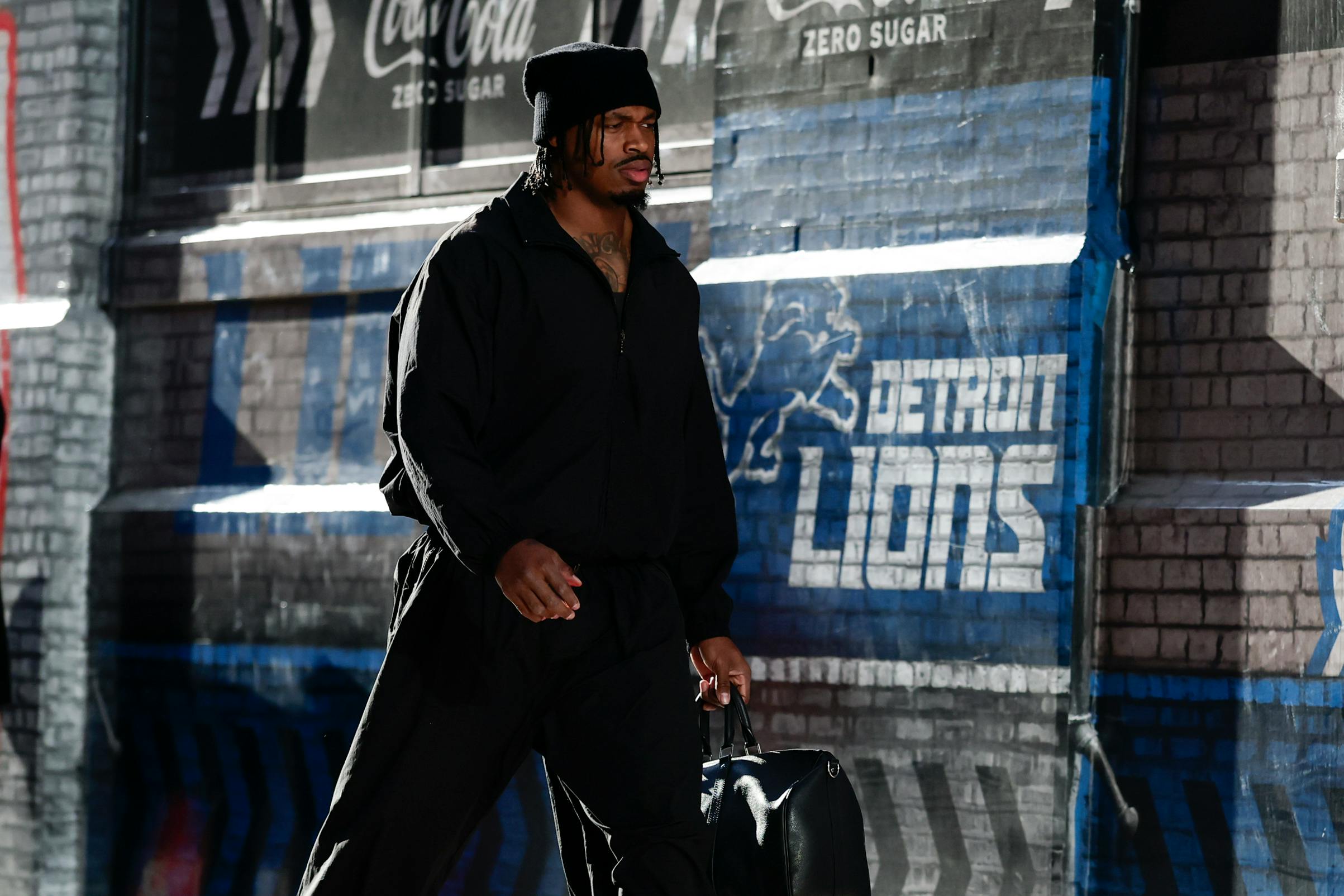
Kyle Smith Has a Job Title That Didn't Exist Before. That's the Whole Tell.
When the NFL hires a fashion editor, it's not about clothes — it's about who gets to decide what matters.
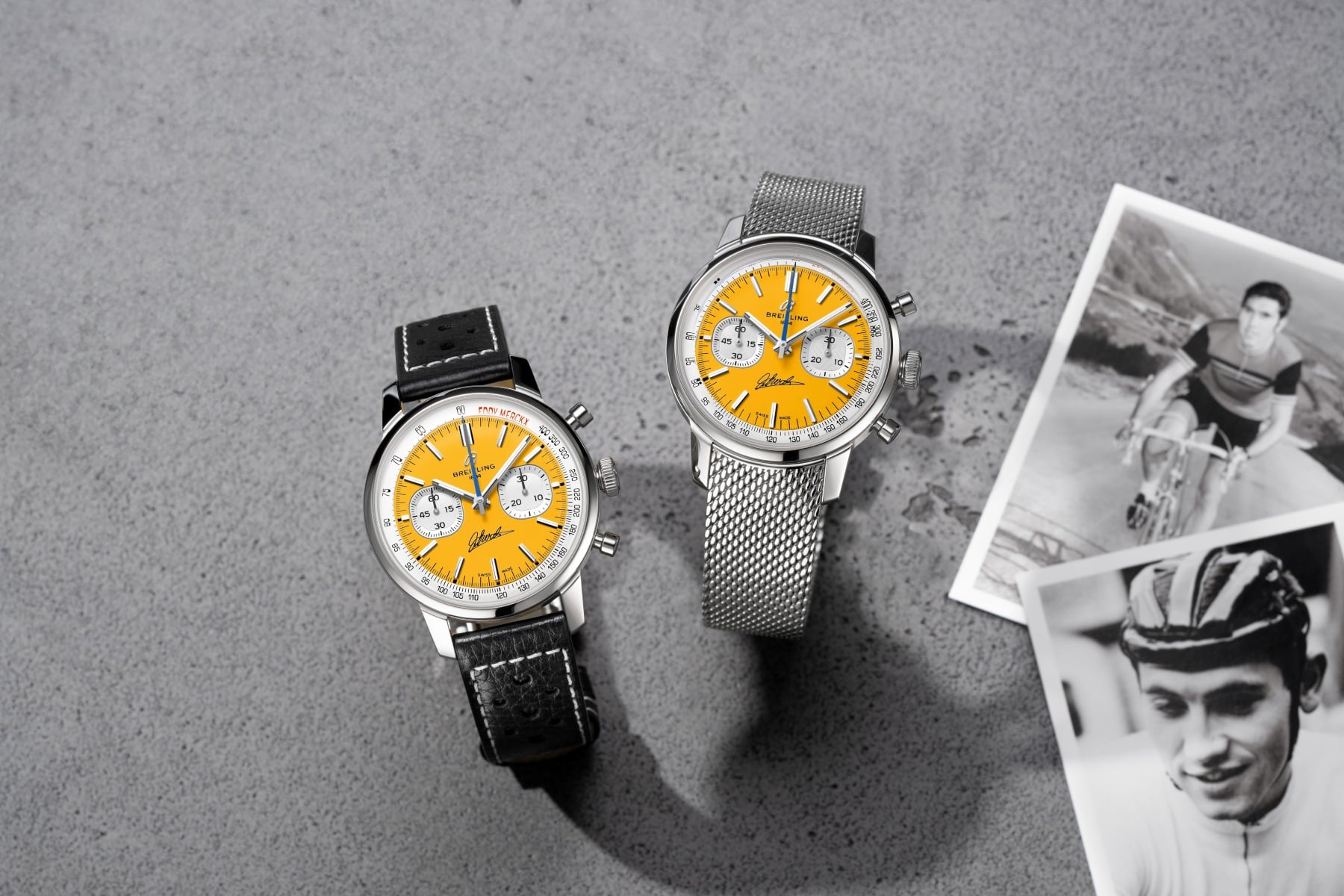
525 Victories, One Dial, and Cycling's Long Wait for a Wrist
Breitling's Eddy Merckx edition doesn't just reference a legend — it asks whether motorsport's younger sibling has finally earned its place in serious watch culture.
From the other desks.

800 Horsepower, One Ton of Doubt
Lamborghini built the most powerful SUV it's ever made. It's also slower than what it replaced.

ESPN Named Him. Then Unnamed Him. Nobody's Explaining the Gap.
A retraction without a reckoning is just a deleted link.

Hide My Email Has Been Showing Your Email
Apple's privacy flagship has a hole in it. They've known for over a year.