Orange Didn't Arrive. Brown Just Left a Forwarding Address.
When Highsnobiety traces a single color across four brands, the real story isn't about orange at all.
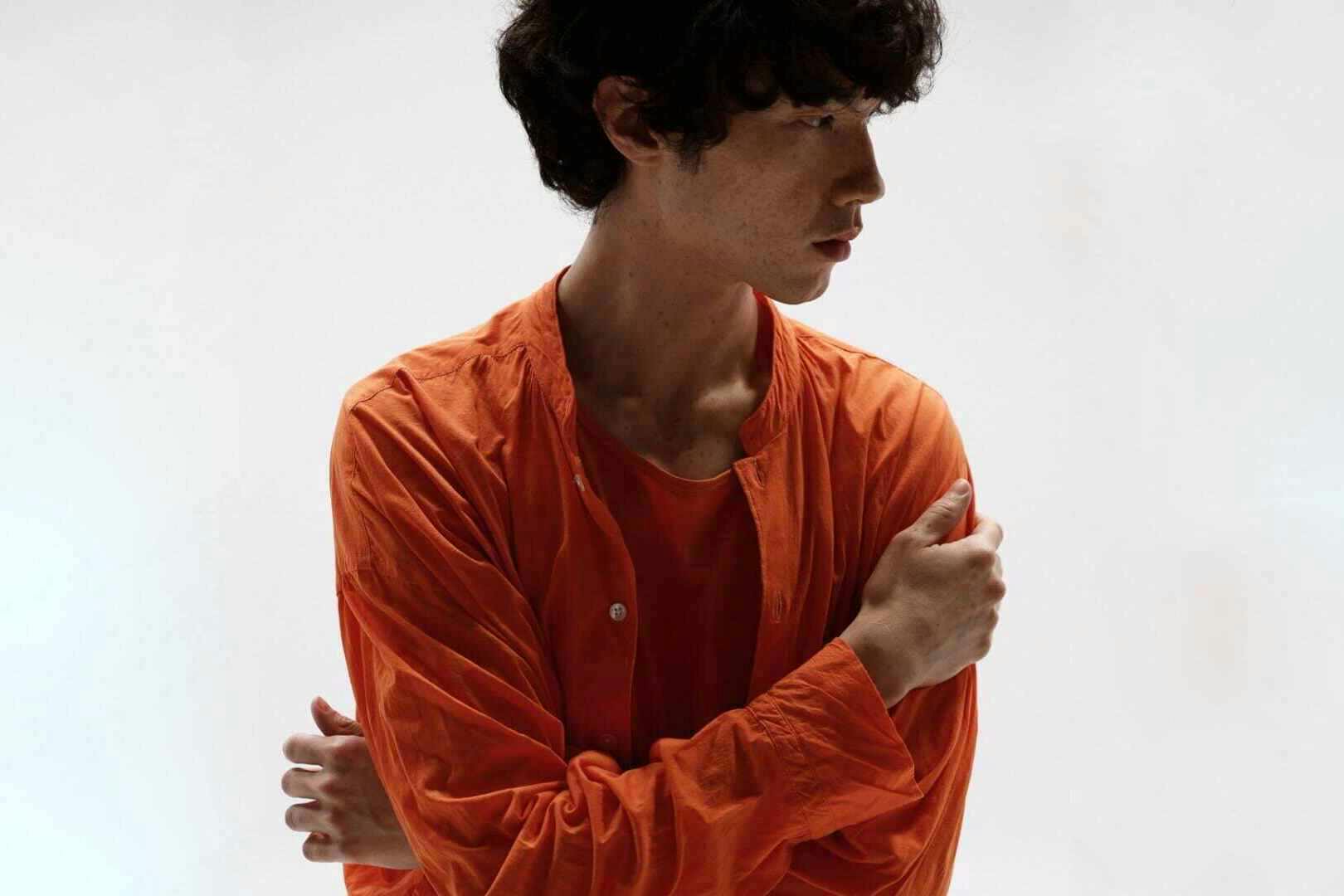
Photo · Highsnobiety
There's a particular kind of fashion writing that disguises a trend report as a discovery. Highsnobiety published one recently — a piece arguing that orange is the new brown, with Casey Casey, Auralee, Stüssy, and Bottega Veneta as the evidence. The argument is charming. It's also a little more revealing than it intends to be.
The case made is straightforward: brown has been the defining neutral of recent seasons, warm and earthy and quietly ubiquitous, and orange is its natural successor — close enough in temperature to feel like a continuation rather than a break. That's not wrong. If you've been paying attention, the shift has been visible for a while now, and naming it isn't a criticism. Naming it is the job.
But something else is happening underneath the argument.
The Palette Is Getting Smaller
Four brands is a list. Casey Casey, Auralee, Stüssy, Bottega Veneta — that's a range of price points, geographies, and aesthetics, which is exactly why the piece deploys them. The breadth is the proof. But breadth in color can also be a kind of narrowing. When designers working in completely different registers all arrive at the same hue within the same window, that's not creative convergence. That's a cycle behaving exactly like a cycle.
What's interesting about the Highsnobiety piece isn't that it's wrong — it isn't. It's that staking this out as a take in 2025 implicitly admits that the color story in fashion has become legible enough to predict. Brown had its moment. Orange is next. There will be something after orange, and someone will write that piece too, probably with four different brands and the same structural logic: here's what's coming, here's who's already there, here's why it makes sense.
That predictability used to be something fashion resisted talking about. The industry preferred the mythology of individual vision — a designer sees something, feels something, makes something, and the world adjusts. The color-cycle piece punctures that quietly. It says: actually, this is patterned behavior, and we can chart it.
What Brown Was Actually Doing
The piece frames orange as second-best to brown, which is a genuinely interesting hierarchy to establish in writing. Brown's dominance in recent years wasn't arbitrary — it carried a specific mood, a kind of deliberate underdressing, a retreat from the high-contrast maximalism that preceded it. It read as considered without being precious.
Orange keeps some of that warmth but adds visibility. It's not a neutral. You can't recede in orange the way you could in a deep tobacco or a weathered tan. So the shift, if the piece is right, isn't just chromatic — it's a shift in how much attention the wearer wants to invite. That's worth sitting with.
What the Highsnobiety piece does well is trace the emotional logic of a color transition rather than just documenting it. That's harder than it looks. What it doesn't quite reckon with is the implication: if we can see this coming, if four very different brands are already there, then the moment you read about a color arriving, you're already late to it — or early to whatever comes next.
Fashion has always had this problem. The coverage and the culture eat each other. But there's something newly candid about a headline that just says: the transition is here, this is the name of the color, here are the receipts.
At least it's honest about the mechanism. That's not nothing.
Keep reading fashion.

Gold Leaf on a Lacquer Dial, and the Weight of What That Costs
Awake's Frosted Leaf Royal Blue asks a question Vietnamese craft has never quite had to answer at this price.
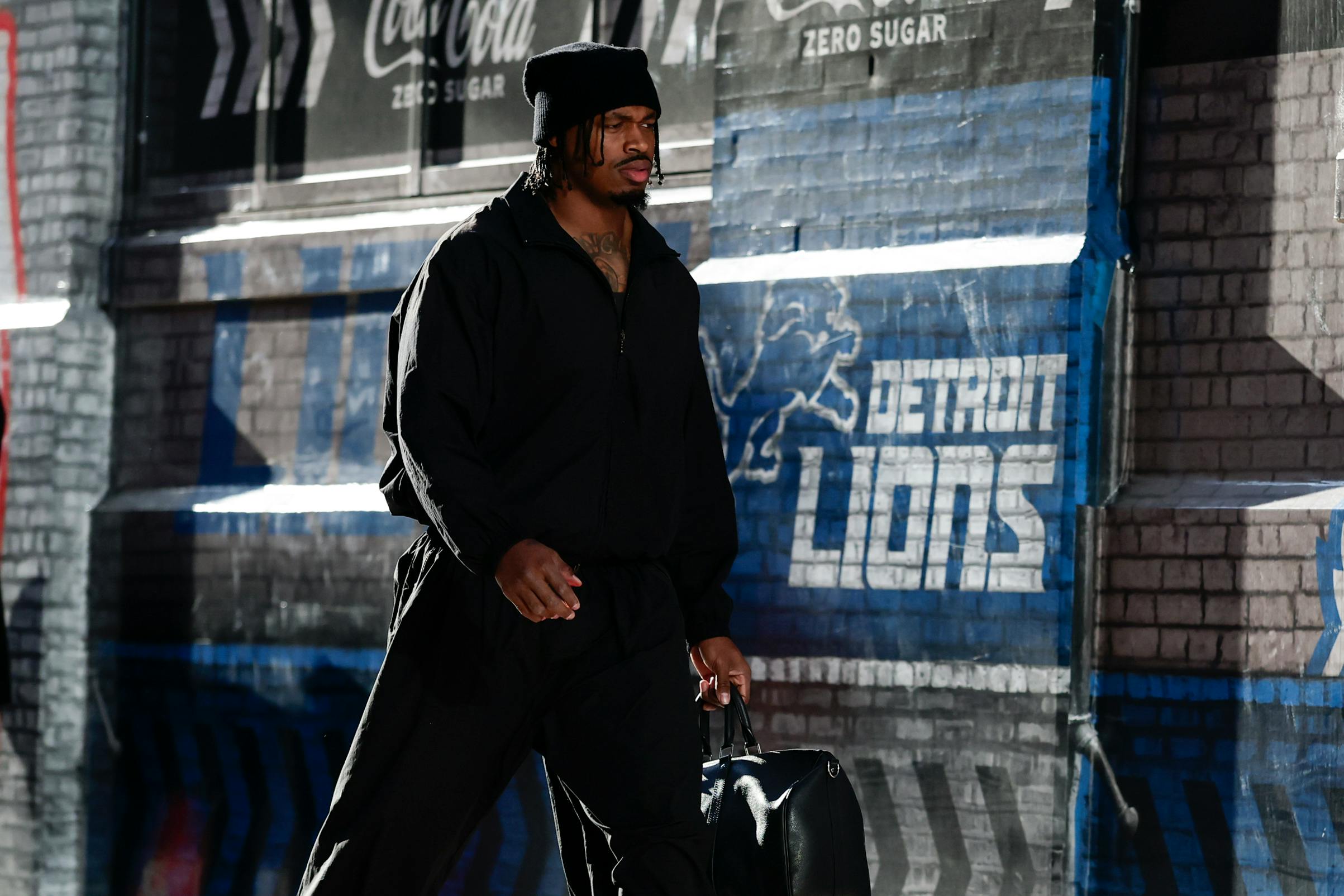
Kyle Smith Has a Job Title That Didn't Exist Before. That's the Whole Tell.
When the NFL hires a fashion editor, it's not about clothes — it's about who gets to decide what matters.
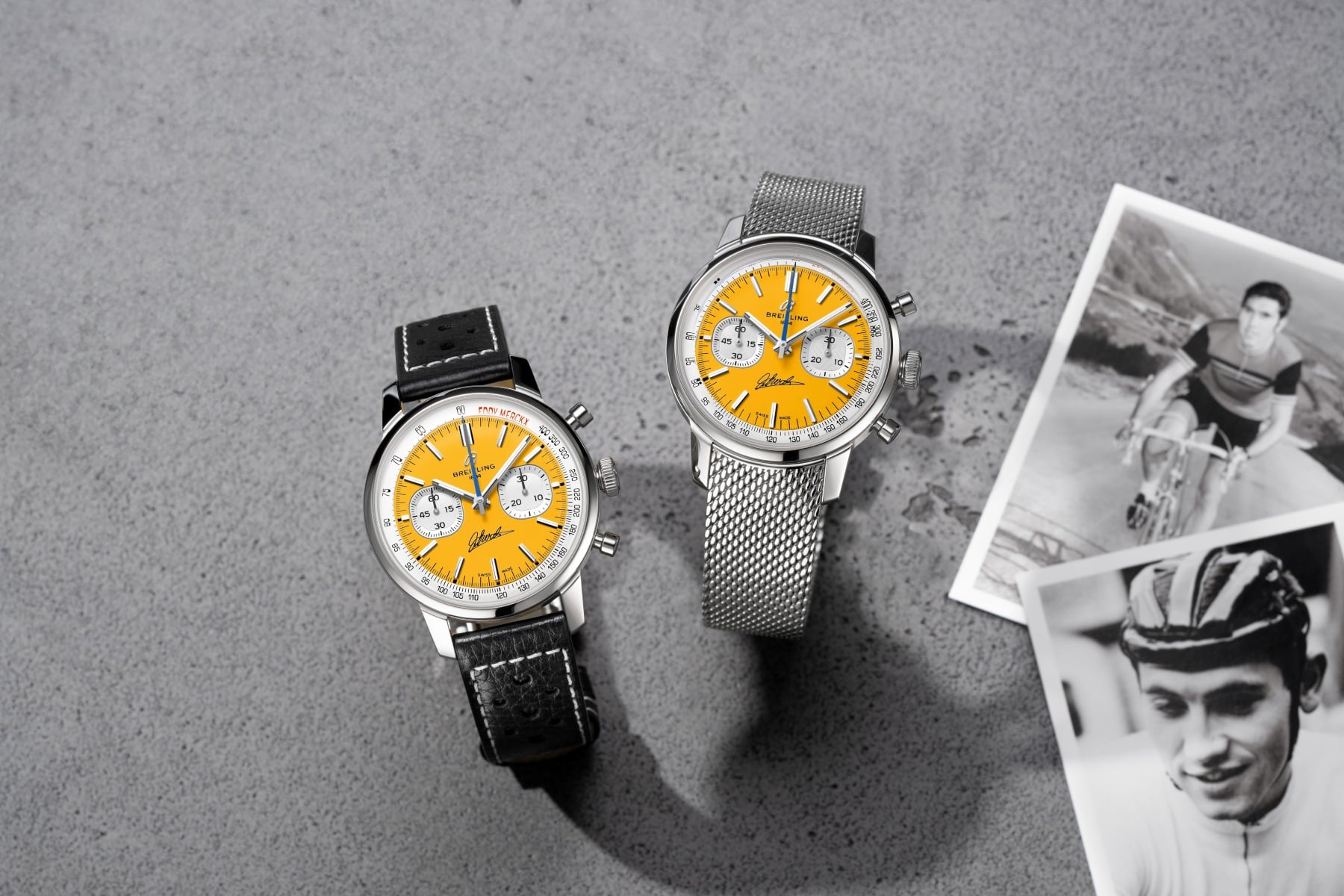
525 Victories, One Dial, and Cycling's Long Wait for a Wrist
Breitling's Eddy Merckx edition doesn't just reference a legend — it asks whether motorsport's younger sibling has finally earned its place in serious watch culture.
From the other desks.

800 Horsepower, One Ton of Doubt
Lamborghini built the most powerful SUV it's ever made. It's also slower than what it replaced.

ESPN Named Him. Then Unnamed Him. Nobody's Explaining the Gap.
A retraction without a reckoning is just a deleted link.

Hide My Email Has Been Showing Your Email
Apple's privacy flagship has a hole in it. They've known for over a year.