Porsche Design Finally Has Something to Prove — And the Receipts to Do It
The Chronograph 1 All Titanium and a new manufacture in Grenchen aren't just product news. They're an argument that's been fifty years in the making.
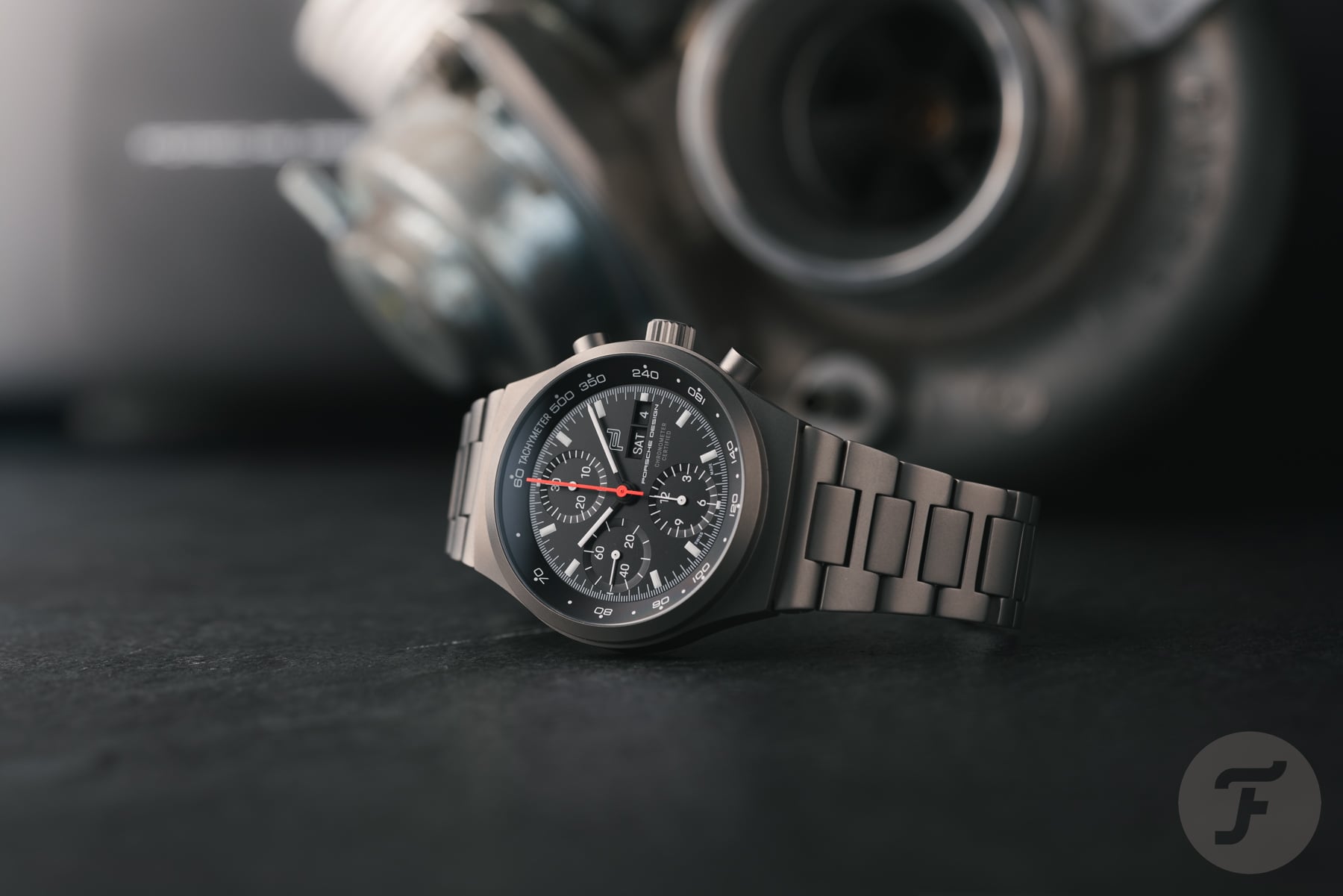
Photo · Fratello Watches – The Magazine Dedicated To Luxury Watches
The design was always there. That's never been the problem.
The Chronograph 1 arrived in 1972 as the first all-black watch — Ferdinand Alexander Porsche applying the same logic to a wrist instrument that he'd applied to a sports car. The thinking was clean: function determines form, ornament is waste, the object should disappear into its purpose. It worked. Fifty years later, every blacked-out watch from Audemars to G-Shock owes something to that original move, whether the people who made them would admit it or not.
But influence and watchmaking infrastructure are different things. For most of its life, Porsche Design has been a design house wearing a watch brand's clothes — the vision was genuine, the movements were sourced. That's not a scandal. Half the industry runs on ETA and Sellita. But it does create a ceiling. There's a point past which you cannot charge without building the thing yourself.
The Manufacture Changes the Argument
The new facility in Grenchen is Porsche Design's answer to that ceiling. Swisswatches covered the opening as a statement of intent — a physical commitment to in-house production that the brand has never made before. That matters more than the building. It means the next time someone asks why a Porsche Design costs what it costs, there's a real answer waiting.
The Chronograph 1 All Titanium Numbered Edition is the first visible result of that ambition. Fratello noted the design pedigree carefully — the case, the dial architecture, the matte black logic that started a genre — but the point isn't the aesthetics. The point is that the watch now has manufacturing ambition behind it to match the design legacy in front of it.
Titanium is the right material for this. Not because it's fashionable, though it is. Because it's honest. Lighter than steel, harder to machine, less forgiving of shortcuts. It's a material that rewards the people who know what they're doing and exposes the ones who don't. Choosing it for a numbered edition — a watch that's supposed to mark something — is a declaration.
What the Coverage Gets Right, and What It Misses
Both pieces are enthusiastic. Fratello traces the lineage with care. Swisswatches gives the manufacture its due. Together they read a little like a brand at a press event — which is fine, that's often how watch coverage works. But taken together, they also reveal something neither quite says directly.
This is a brand at an inflection point, and the inflection is overdue.
Porsche Design has coasted on F.A. Porsche's original idea for a long time. Not cynically — the design has been maintained with genuine discipline. But discipline isn't the same as ambition. The manufacture in Grenchen is ambition. It's the brand deciding that the iconic status it inherited needs to be earned again, on different terms, in a different era.
The prices were already hard to justify on design legacy alone. They're easier to defend when the movement is yours. That's a simple equation, and the industry knows it. Patek doesn't need to explain itself. Neither does Rolex. In-house production is how you stop explaining and start asserting.
The question is whether the execution matches the declaration. A manufacture opening and a numbered titanium edition are the right moves. Whether the calibers that come out of Grenchen are genuinely worth the conversation — that's the next chapter.
The design always earned attention. Now the watchmaking has to earn trust.
Keep reading fashion.

Gold Leaf on a Lacquer Dial, and the Weight of What That Costs
Awake's Frosted Leaf Royal Blue asks a question Vietnamese craft has never quite had to answer at this price.
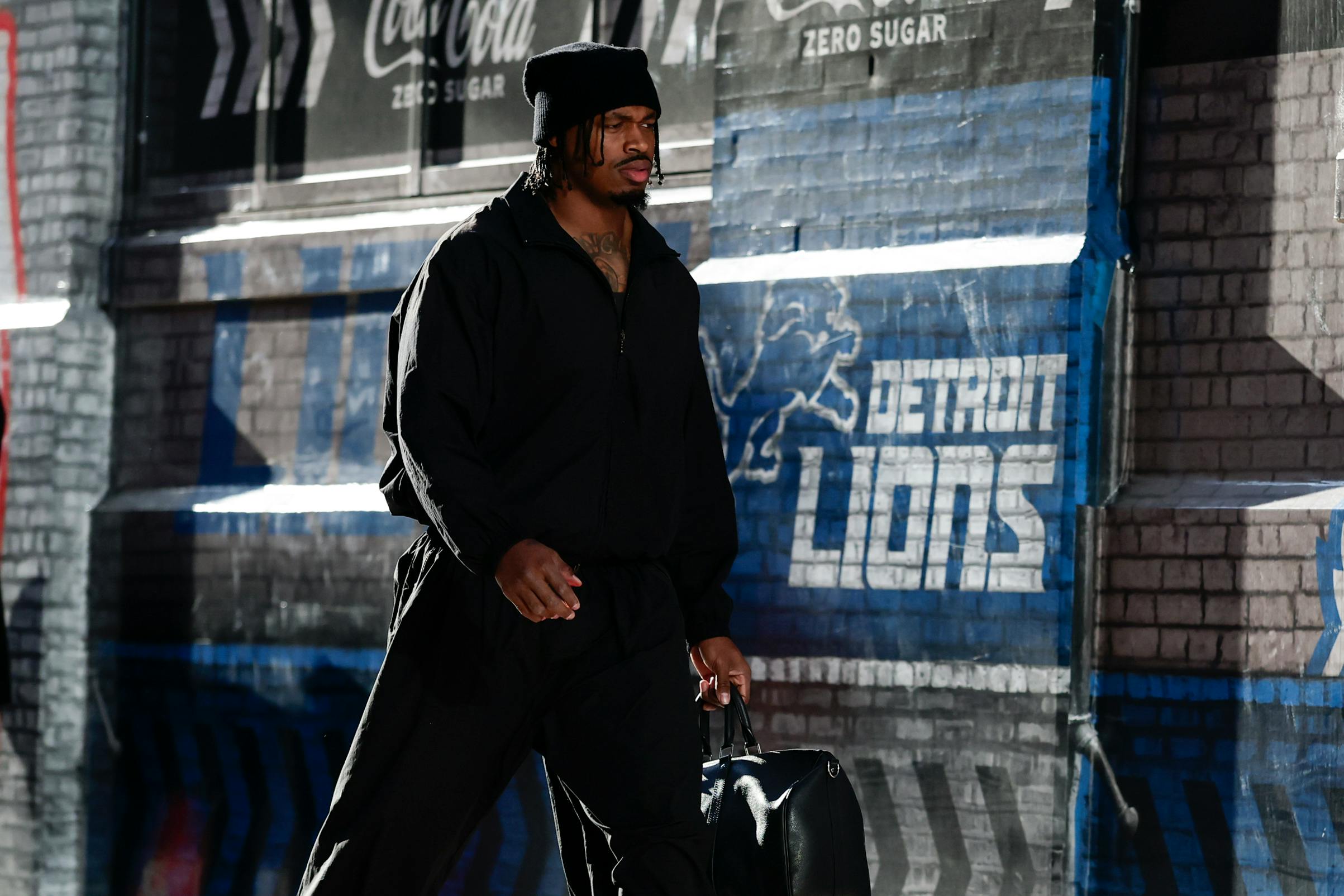
Kyle Smith Has a Job Title That Didn't Exist Before. That's the Whole Tell.
When the NFL hires a fashion editor, it's not about clothes — it's about who gets to decide what matters.
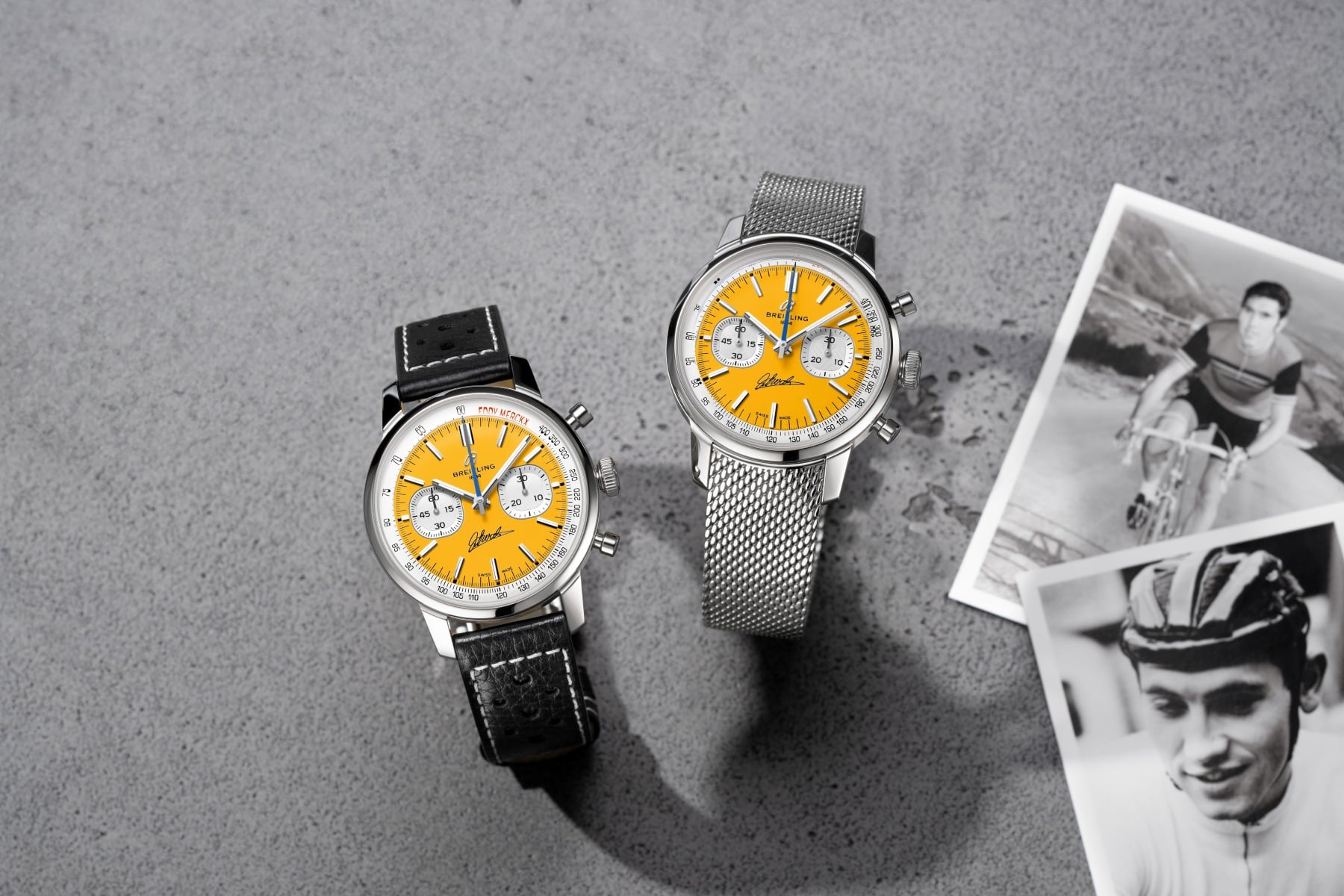
525 Victories, One Dial, and Cycling's Long Wait for a Wrist
Breitling's Eddy Merckx edition doesn't just reference a legend — it asks whether motorsport's younger sibling has finally earned its place in serious watch culture.
From the other desks.

800 Horsepower, One Ton of Doubt
Lamborghini built the most powerful SUV it's ever made. It's also slower than what it replaced.

ESPN Named Him. Then Unnamed Him. Nobody's Explaining the Gap.
A retraction without a reckoning is just a deleted link.

Hide My Email Has Been Showing Your Email
Apple's privacy flagship has a hole in it. They've known for over a year.