Reasonable Doubt Turns 30. Nike Sent Shoes.
A landmark album becomes a sneaker drop, and somewhere in that transaction is a question worth sitting with.
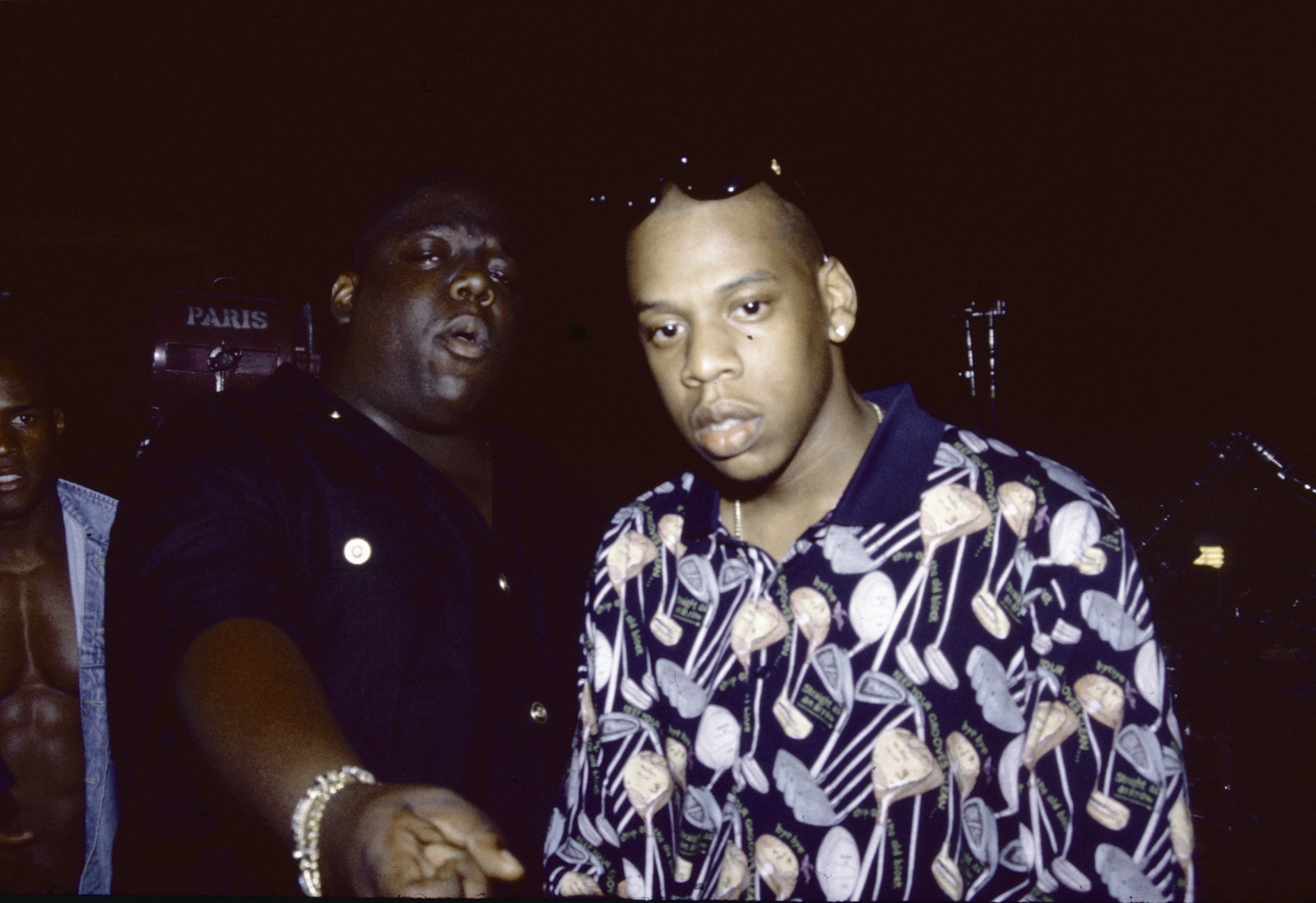
Photo · Defector
There's a version of this story where it's simple: album turns 30, brand makes shoe, fans buy shoe, cycle continues. Nike has done this before. They'll do it again. But Reasonable Doubt is not a simple record, and the distance between what that album meant and what a commemorative Air Force 1 Low represents is worth measuring carefully before we celebrate.
According to Sneaker News, Nike is marking the 30th anniversary of Jay-Z's debut with a special-edition Air Force 1 Low. That's the fact. The rest is what you make of it.
What the Album Actually Was
Defector's piece on Reasonable Doubt does the work of reminding you why any of this matters. The record didn't arrive on a red carpet. Jay-Z was, by the standards of the era, a late arrival — someone who'd spent time developing alongside Jaz-O in a fast-rapping style that impressed people technically without moving them emotionally. The labels didn't know what to do with him. Even people who heard him early sensed something they couldn't quite name. DJ Clark Kent was reportedly his loudest advocate when almost no one else was paying attention.
What eventually emerged on Reasonable Doubt was an artist who had figured out how to be himself — not a style borrowed from what was working, not a version of someone else's blueprint. That specificity, that patience, that willingness to arrive on his own terms rather than the industry's timeline: that's the DNA of the album. The whole thing was built on the refusal to perform for an audience that wasn't ready for you yet.
So when Nike puts that album on a shoe, the question isn't whether the shoe is nice. The question is whether the thing that made the album matter can survive being merchandise.
The Thing That Gets Lost in the Transaction
Sneaker culture has always had a complicated relationship with hip-hop. The entanglement is so old and so deep that it barely registers anymore — of course there are rapper collabs, of course there are anniversary drops, of course the culture that built the demand gets folded into the product eventually. This is not cynicism. It's just the shape of how things move.
But Reasonable Doubt is specifically a record about someone who refused to be absorbed before he was ready. It's about patience and identity and the cost of maintaining both. There's an irony in the fact that the album's legacy now includes a Nike drop — not a dark irony, not a betrayal, just the kind of irony that quietly accumulates around anything that survives long enough to become canonical.
A 30-year-old record getting a shoe confirms that hip-hop's catalog is now treated with the same reverence the industry once reserved for rock and jazz. That's something. Whether it's the right something depends on what you think remembrance is for.
The Air Force 1 is a fine vessel for this kind of gesture. It's a shoe with its own long history in the culture, not an arbitrary choice. But a shoe is still a shoe. It doesn't hold the thing that made the album what it was — the particularity of one person finally figuring out how to sound like himself, in a city that wasn't waiting for him, on a timeline no one else believed in.
You can wear the anniversary. You cannot wear the patience.
Keep reading fashion.

Gold Leaf on a Lacquer Dial, and the Weight of What That Costs
Awake's Frosted Leaf Royal Blue asks a question Vietnamese craft has never quite had to answer at this price.
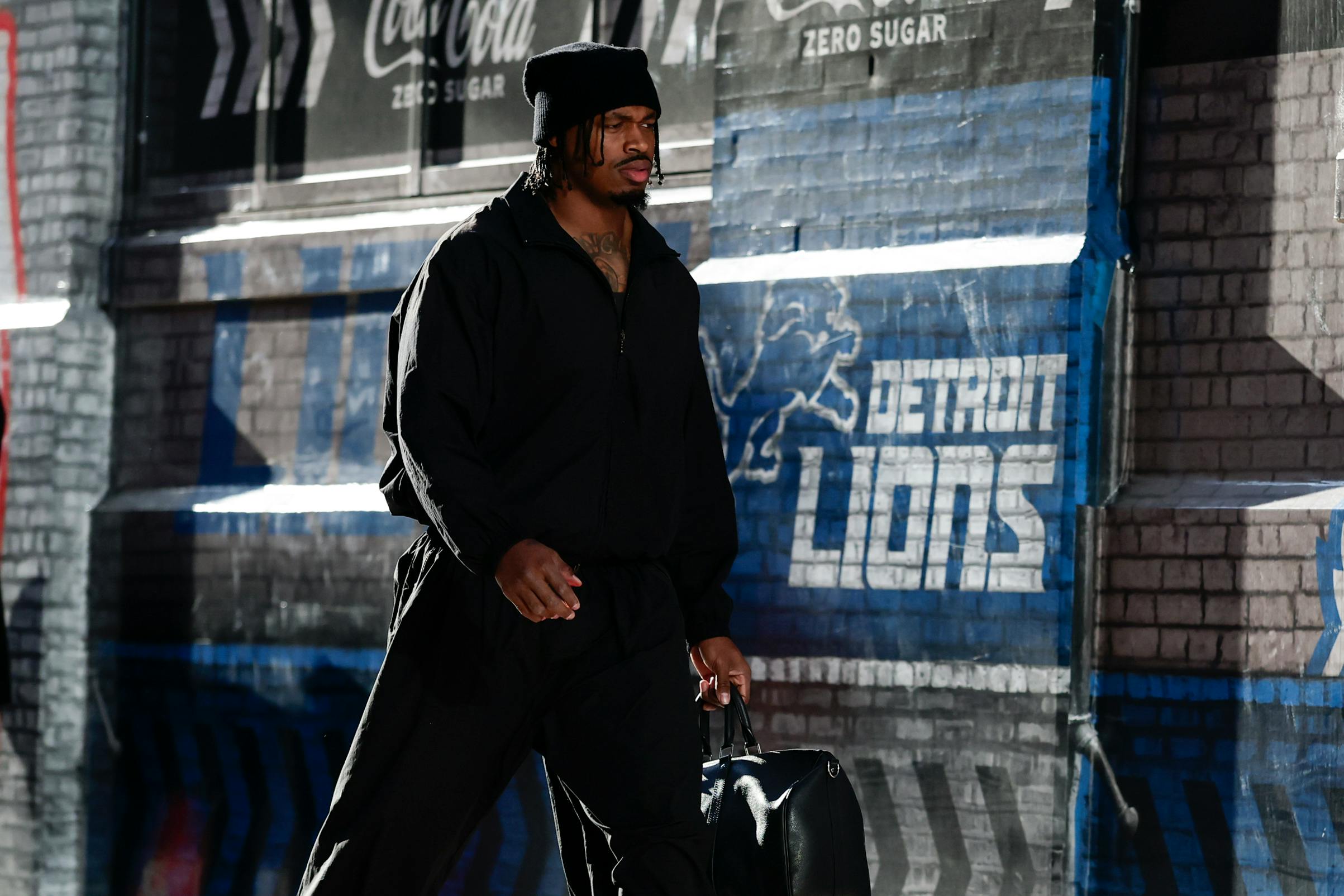
Kyle Smith Has a Job Title That Didn't Exist Before. That's the Whole Tell.
When the NFL hires a fashion editor, it's not about clothes — it's about who gets to decide what matters.
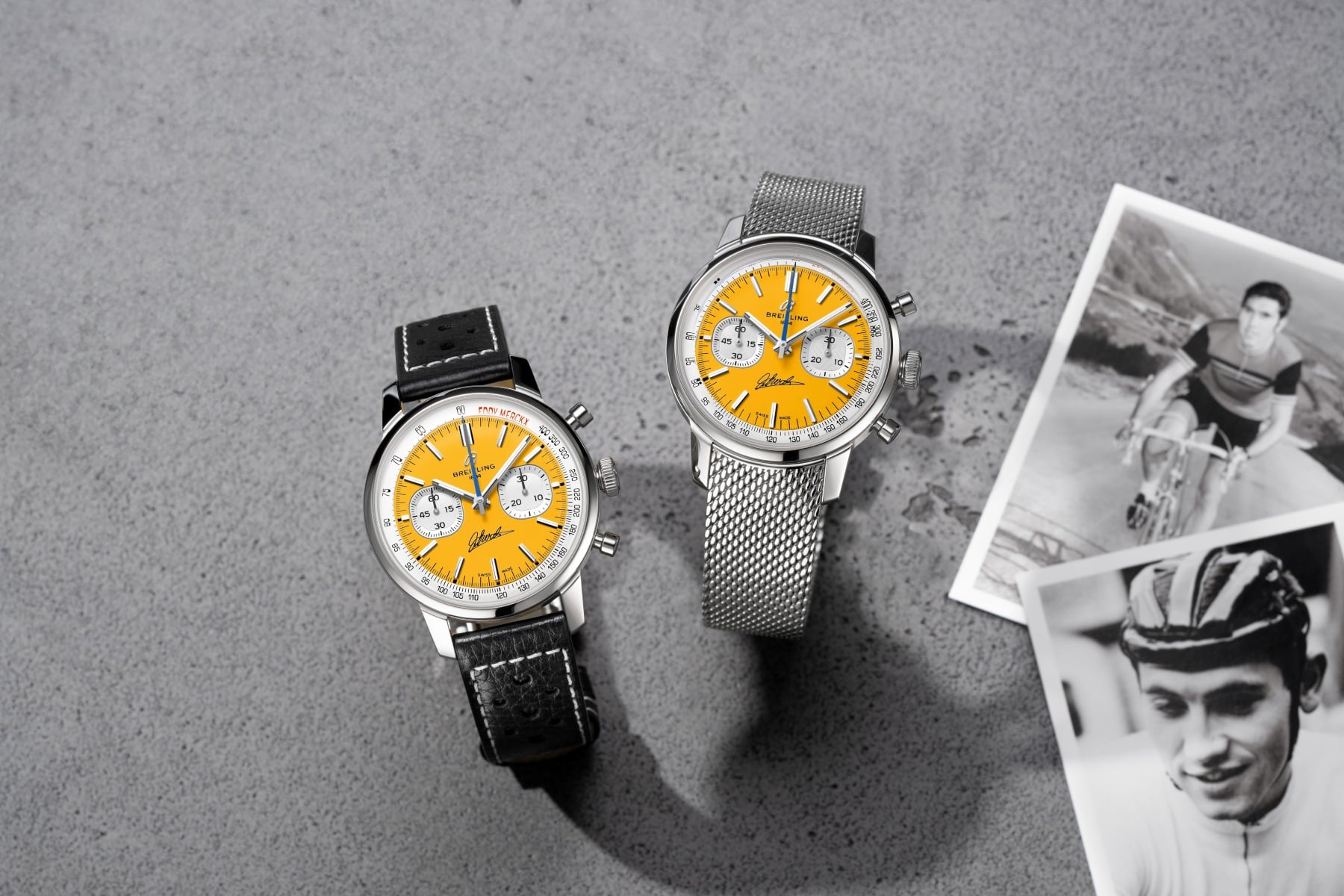
525 Victories, One Dial, and Cycling's Long Wait for a Wrist
Breitling's Eddy Merckx edition doesn't just reference a legend — it asks whether motorsport's younger sibling has finally earned its place in serious watch culture.
From the other desks.

800 Horsepower, One Ton of Doubt
Lamborghini built the most powerful SUV it's ever made. It's also slower than what it replaced.

ESPN Named Him. Then Unnamed Him. Nobody's Explaining the Gap.
A retraction without a reckoning is just a deleted link.

Hide My Email Has Been Showing Your Email
Apple's privacy flagship has a hole in it. They've known for over a year.