Ressence Just Stopped Borrowing and Started Owning
The most visually distinct watch brand in the world finally has a movement that matches the ambition of what it puts on your wrist.
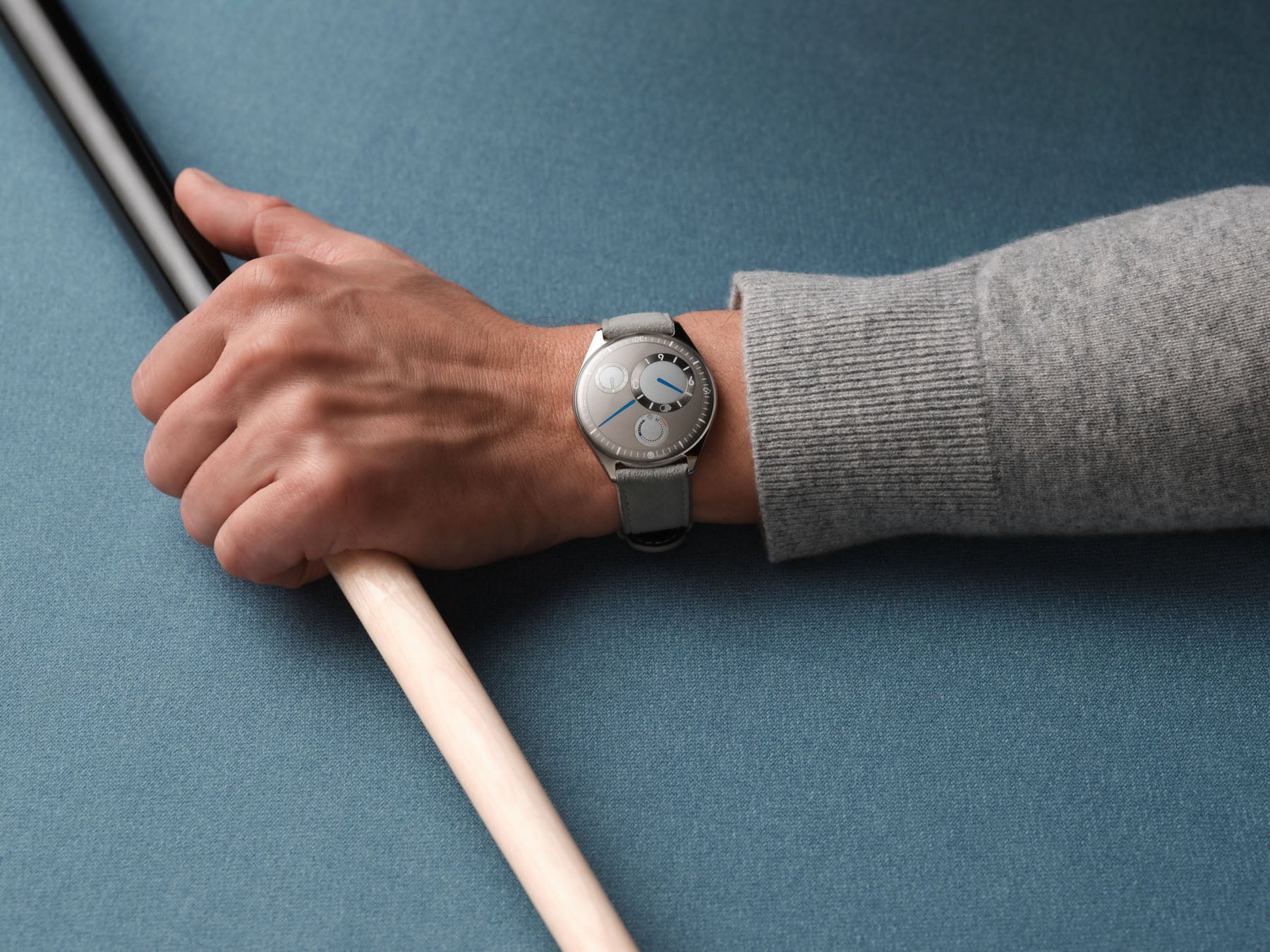
Photo · Fratello Watches – The Magazine Dedicated To Luxury Watches
Ressence has always had a problem that wasn't really a problem — until it was. The dials were unlike anything else alive. The ROCS system, satellites orbiting satellites, time told in a way that feels closer to reading a sundial than a watch. Genuinely original thinking in an industry that treats originality as a risk.
But underneath it all, someone else's movement.
That's not a scandal. Most independent brands do it. You source a reliable base, you build your vision on top of it, and you get to market without spending a decade in a machine shop. Practical. Defensible. Fine.
Except Ressence's entire argument is that the conventional way of doing things is worth questioning. And there's a real tension in that position when the engine room is conventional by necessity. It's like an architect who designs buildings that defy gravity sourcing their steel from the same supplier as everyone else. The vision is intact. The commitment isn't total.
The Gap Between Idea and Execution
The Type 11 closes that gap. First fully integrated movement from the brand — built specifically for how Ressence displays time, not adapted to it. That distinction matters more than the spec sheet.
Every movement Ressence used before was engineered for hands. For a dial where twelve is at the top and six is at the bottom and everyone knows what they're looking at. ROCS doesn't work like that. The satellites rotate. The relationship between the indicators is dynamic. Adapting a conventional caliber to drive that system is a workaround — clever, but a workaround. Designing a movement where the architecture exists purely to serve the display is something else entirely.
It means every gear, every component, every decision in the movement answers to the same brief as the dial above it. The idea and the execution finally live in the same house.
What This Actually Changes
For collectors, the Type 11 removes the one asterisk that serious people always attached to Ressence. The brand could now sit at the same table as independent manufactures without anyone quietly noting the footnote. That matters for perception. It matters more for what it signals about trajectory.
For the industry, it's a reminder that in-house development isn't just a marketing checkbox. When the movement is purpose-built, you feel it. The watch stops being a dial story with a borrowed engine and becomes a complete argument. Ressence's argument — that time display deserves to be rethought from scratch — now runs all the way down.
Benoit Mintiens has been building toward this since the first Type 1. You could feel it in every iteration — a brand that knew exactly what it wanted to say and was slowly acquiring the vocabulary to say it completely. The ROCS concept was the sentence. The in-house movement is the voice it was always supposed to be spoken in.
The most interesting watch brand alive just got harder to argue with.
Keep reading fashion.

Gold Leaf on a Lacquer Dial, and the Weight of What That Costs
Awake's Frosted Leaf Royal Blue asks a question Vietnamese craft has never quite had to answer at this price.

Kyle Smith Has a Job Title That Didn't Exist Before. That's the Whole Tell.
When the NFL hires a fashion editor, it's not about clothes — it's about who gets to decide what matters.
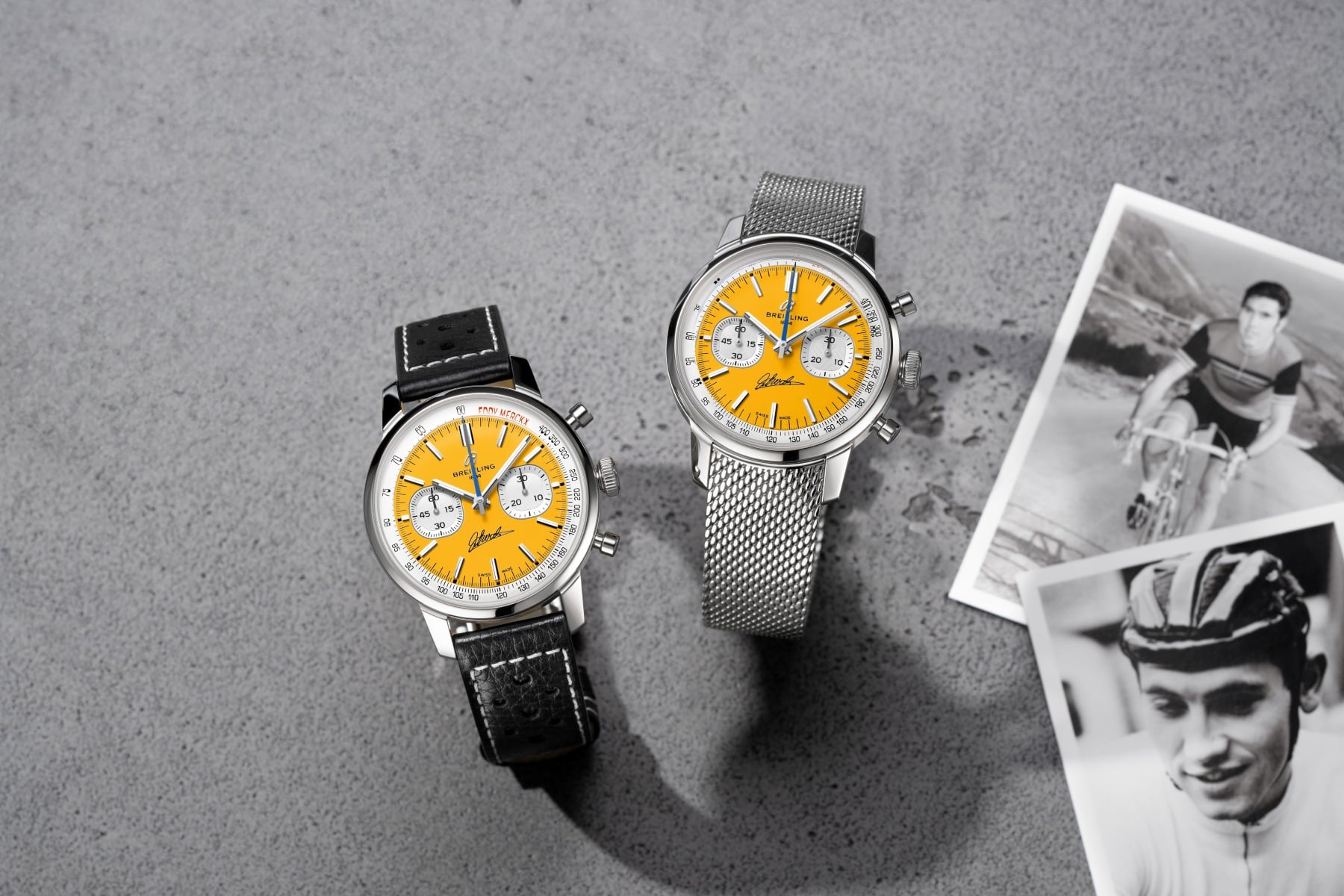
525 Victories, One Dial, and Cycling's Long Wait for a Wrist
Breitling's Eddy Merckx edition doesn't just reference a legend — it asks whether motorsport's younger sibling has finally earned its place in serious watch culture.
From the other desks.

800 Horsepower, One Ton of Doubt
Lamborghini built the most powerful SUV it's ever made. It's also slower than what it replaced.

ESPN Named Him. Then Unnamed Him. Nobody's Explaining the Gap.
A retraction without a reckoning is just a deleted link.

Hide My Email Has Been Showing Your Email
Apple's privacy flagship has a hole in it. They've known for over a year.