The Pepsi Is Gone. The Hype Might Be Too.
Rolex didn't just discontinue a watch at Watches & Wonders 2026 — it pulled the pin on a decade of manufactured desire.

Photo · Robb Report Style | Luxury Fashion and High-End Clothing
There's a version of this story where the Rolex Pepsi's discontinuation is a tragedy. Collectors mourning. Forums in chaos. Secondary market prices spiking before the ink was even dry on the announcement. That version exists — Robb Report noted the surge was already underway before anything became official — and it's real enough. But it's not the whole story.
The whole story is quieter, and more interesting.
What Geneva Actually Said
When Watches & Wonders 2026 opened in Geneva on April 14th, the watch world arrived expecting the usual theater. New references. Careful reveals. The controlled drip of a brand that has spent decades mastering the art of making people wait. What it got instead was a discontinuation — the Pepsi, gone — and, according to Bob's Watches, no Coke to replace it. The expected arrival of the red-and-black bezel variant, the one collectors had been anticipating as the natural successor to the Pepsi's cultural throne, simply didn't happen.
That absence is doing more work than the announcement itself.
Rolex didn't hand the market a new object of desire. It handed the market a vacuum. And a brand this deliberate doesn't create vacuums by accident.
When Scarcity Becomes the Problem
For years, the Pepsi existed in a peculiar state — officially available, practically unreachable, secondary market prices floating somewhere between absurd and insulting depending on your patience. It became less a watch than a symbol of everything both right and wrong with how modern watch collecting operates. The waiting list as status. The grey market as the actual market. The retail price as a number that existed mostly in theory.
At some point, that dynamic stops serving the brand and starts serving the speculators. Rolex, which controls its image with a precision most fashion houses would envy, appears to have noticed.
Pulling the Pepsi doesn't end scarcity — at least not immediately. Bob's Watches observed that discontinued references tend to generate their own collector momentum, and the secondary market is already recalibrating. But here's what changes: Rolex is no longer feeding it. The factory stops, the supply freezes, and whatever happens next in the resale ecosystem happens without the brand's participation. That's a different kind of control. Quieter. More final.
The Robb Report framed the market response as smelling blood. I'd frame it differently. What the market is smelling is the moment the music stopped, and everyone's realizing there aren't enough chairs.
The Coke's absence sharpens all of this. If Rolex had walked into Geneva and unveiled a red-and-black replacement, the narrative would have been clean — one icon exits, another enters, the machine continues. Instead, the brand left a gap where a gap is hard to ignore. Whether that gap gets filled at a future event, or whether this represents a genuine strategic retreat from the GMT-Master II's most recognizable colorways, nobody outside of Geneva actually knows. And Rolex, characteristically, isn't saying.
What's worth sitting with is this: the most controlled brand in watchmaking just made its most legible market statement in years — not through a launch, but through a silence.
Scarcity, wielded long enough, becomes its own kind of noise. And sometimes the boldest thing a brand can do is simply stop making the sound.
Keep reading fashion.

Gold Leaf on a Lacquer Dial, and the Weight of What That Costs
Awake's Frosted Leaf Royal Blue asks a question Vietnamese craft has never quite had to answer at this price.
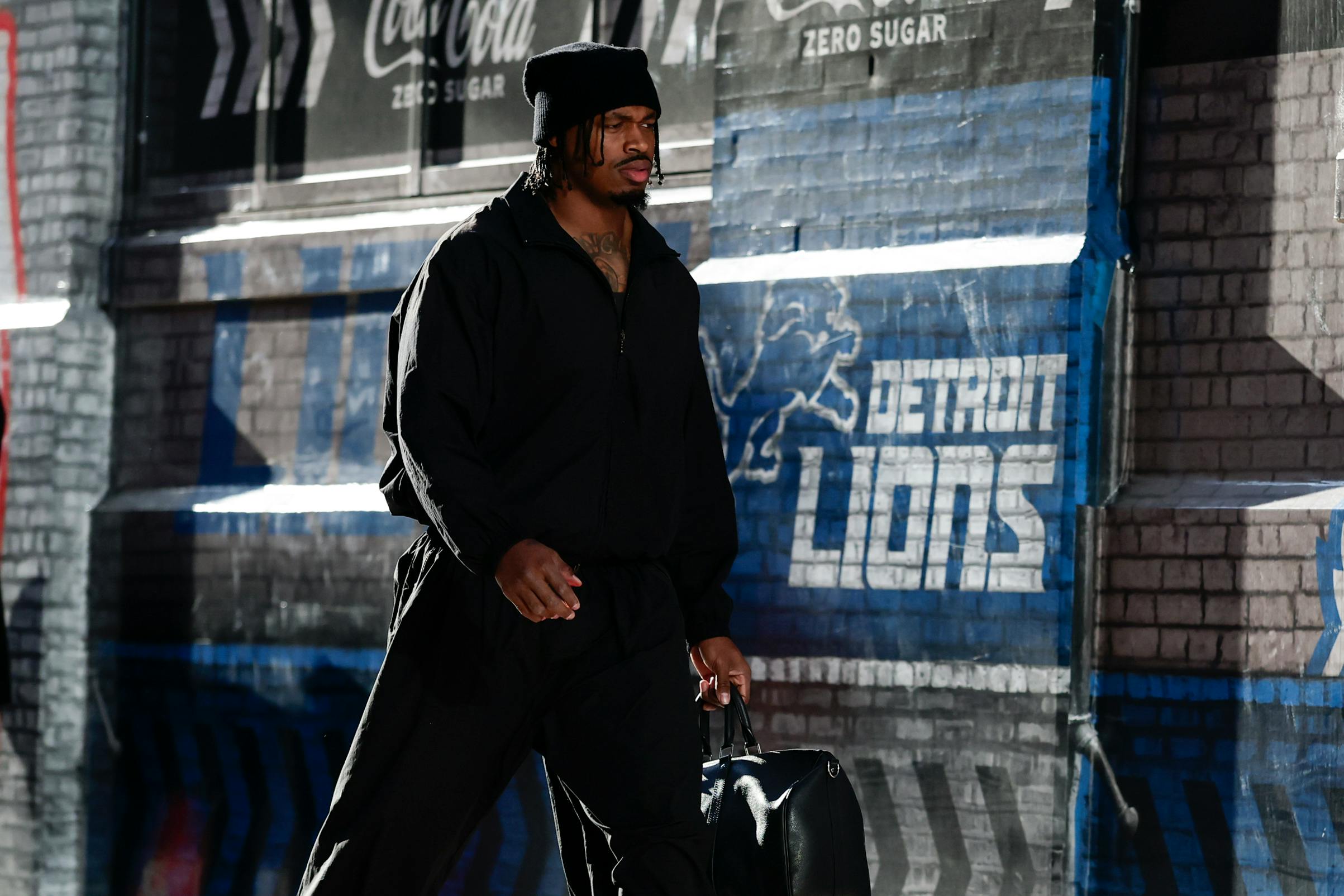
Kyle Smith Has a Job Title That Didn't Exist Before. That's the Whole Tell.
When the NFL hires a fashion editor, it's not about clothes — it's about who gets to decide what matters.
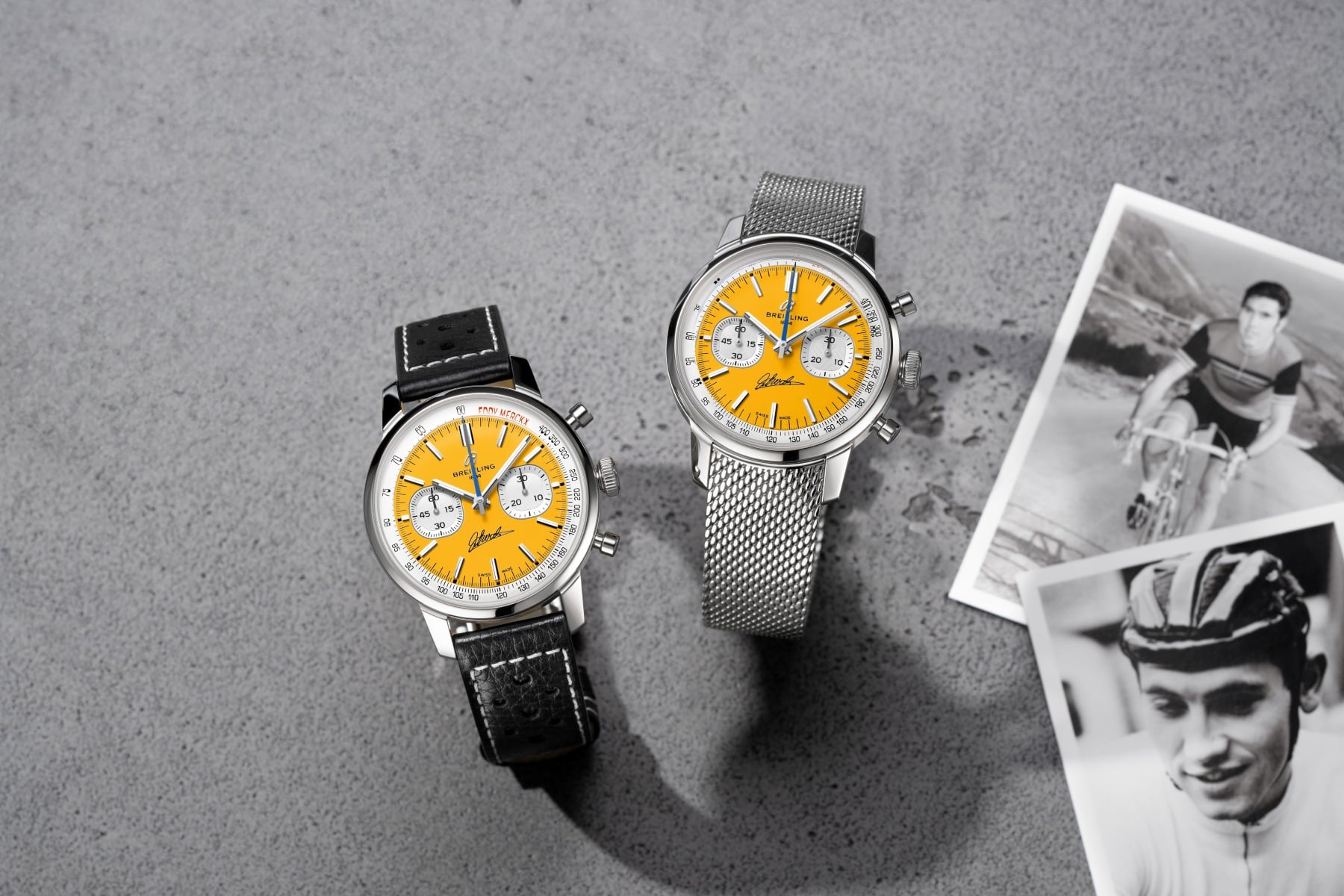
525 Victories, One Dial, and Cycling's Long Wait for a Wrist
Breitling's Eddy Merckx edition doesn't just reference a legend — it asks whether motorsport's younger sibling has finally earned its place in serious watch culture.
From the other desks.

800 Horsepower, One Ton of Doubt
Lamborghini built the most powerful SUV it's ever made. It's also slower than what it replaced.

ESPN Named Him. Then Unnamed Him. Nobody's Explaining the Gap.
A retraction without a reckoning is just a deleted link.

Hide My Email Has Been Showing Your Email
Apple's privacy flagship has a hole in it. They've known for over a year.