The Boot Doesn't Lie
Coachella 2026 didn't kill festival fashion — it just stopped pretending.

Photo · WWD
There's a moment at every cultural event when the trend-followers catch up to the trend-setters, and suddenly the thing that felt radical feels obvious. Coachella 2026 had that moment. It happened in leather. It happened at the ankle, the knee, the shaft.
The cowboy boot isn't gone. But it's no longer the answer.
What the Ground Looked Like
Look at the footwear that actually moved this year and a pattern emerges — not chaos, not maximalism, but something more considered. Kendall Jenner showed up to the 818 Outpost in Ann Demeulemeester's black Bente boots, pulling Kylie and Kourtney along into the same quiet register. No fringe. No turquoise inlay. No heel that announces itself before the rest of you does. Just a clean, architectural silhouette that let everything else settle around it.
Alix Earle went knee-high in Bared Footwear's Hillstar — a harness-trimmed black leather boot that she paired with a Roberto Cavalli patchwork corset, frayed cutoffs, and layered vintage chokers. The outfit had texture and history and attitude, but the boot was the anchor. It didn't compete. It structured.
Hailey Bieber wore a silky '90s Christian Dior slip and let the decade do the talking. The whole look leaned into a vintage color logic that felt genuinely considered — the kind of outfit that doesn't read as costume because the person wearing it actually understands the reference.
Then there's Katseye, whose custom Stand Oil boots may be the most interesting thing to come out of the weekend. Five members, five versions — pooled shafts, buckle hardware, lace panels, bows. It could have been chaos. Instead it read as a group that understood the assignment well enough to rewrite it. Minimalism as a shared grammar, not a uniform.
The Real Shift
Here's what the coverage keeps circling without quite landing on: the Kardashian-Jenner axis is no longer setting the temperature at Coachella. It's reading it.
That's not a slight. It's actually more interesting than the alternative. When Kendall reaches for Ann Demeulemeester instead of something louder, she's responding to a cultural mood rather than creating one. The mood says: restraint is the flex now. The mood says: if you have to explain why it's cool, it isn't.
For years, festival fashion operated on a logic of accumulation — more fringe, more embellishment, more everything, all at once, louder than the person next to you. What 2026 looks like instead is a kind of quiet confidence in the object itself. A great boot. A real slip. A harness that earns its hardware.
The sources don't agree on much, but they keep returning to the same aesthetic: black leather, structural silhouette, minimal ornamentation. Not because everyone planned it, but because the moment called for it.
Festival fashion has always been a mirror. Right now, it's reflecting something worth looking at.
Keep reading fashion.

Gold Leaf on a Lacquer Dial, and the Weight of What That Costs
Awake's Frosted Leaf Royal Blue asks a question Vietnamese craft has never quite had to answer at this price.
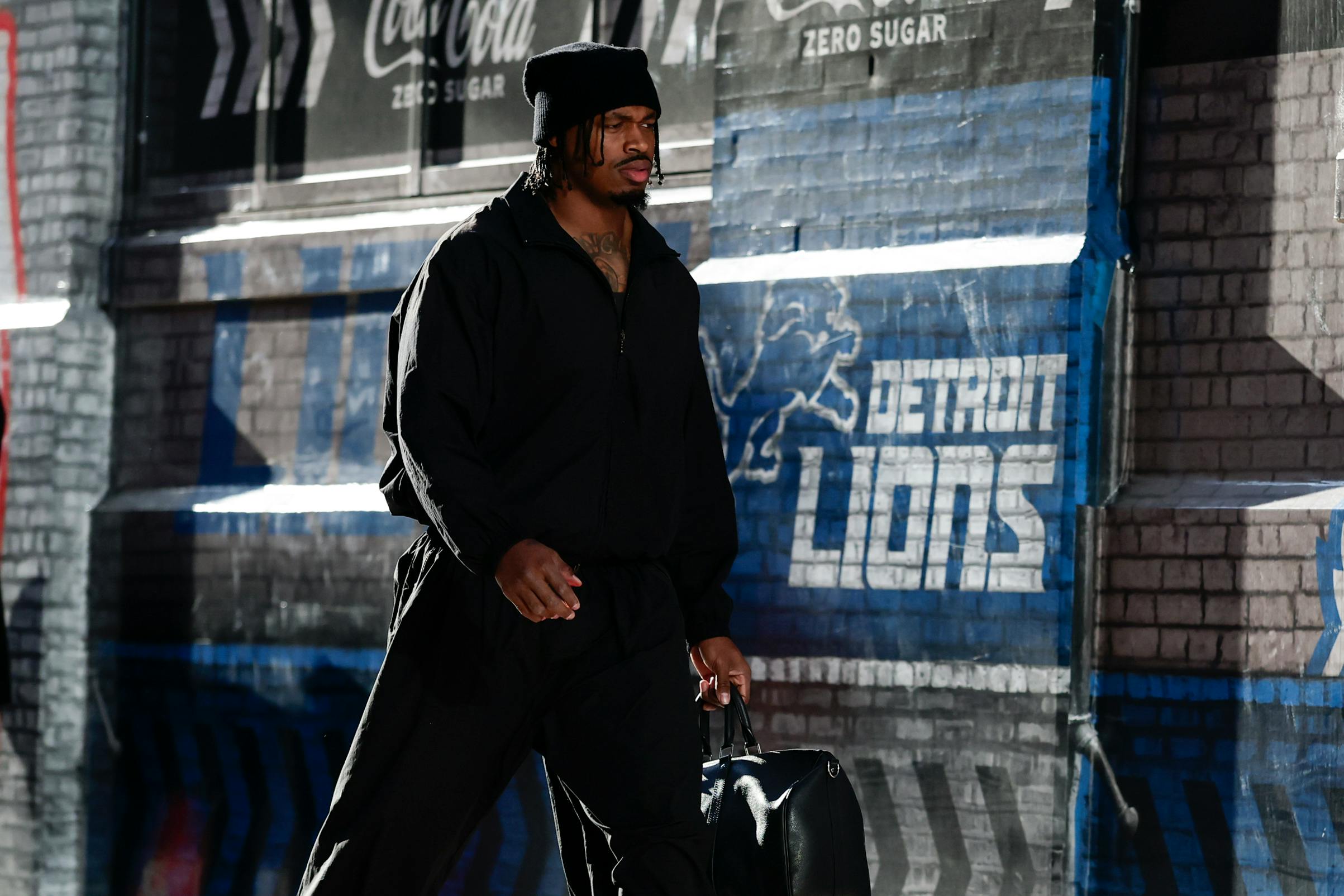
Kyle Smith Has a Job Title That Didn't Exist Before. That's the Whole Tell.
When the NFL hires a fashion editor, it's not about clothes — it's about who gets to decide what matters.
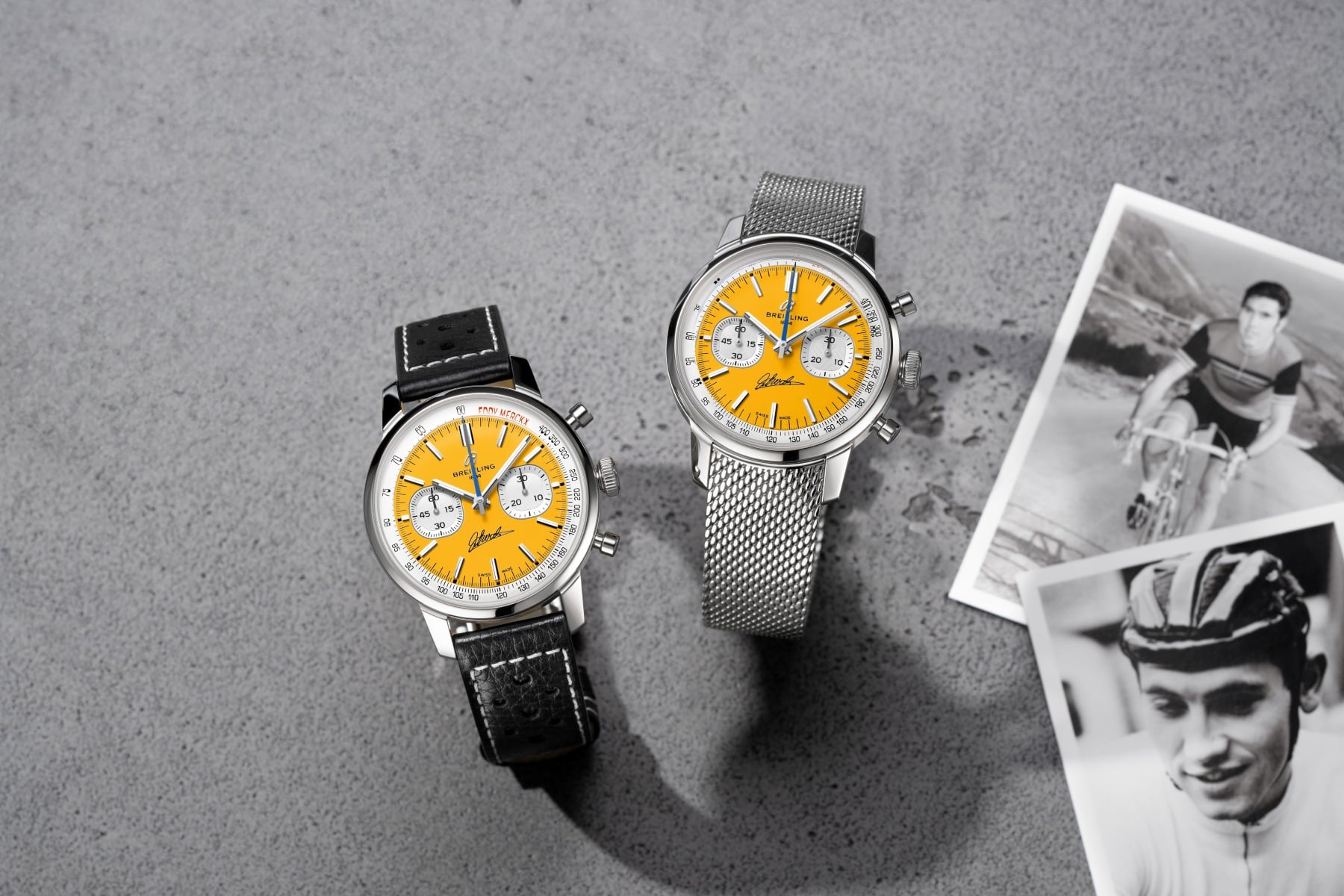
525 Victories, One Dial, and Cycling's Long Wait for a Wrist
Breitling's Eddy Merckx edition doesn't just reference a legend — it asks whether motorsport's younger sibling has finally earned its place in serious watch culture.
From the other desks.

800 Horsepower, One Ton of Doubt
Lamborghini built the most powerful SUV it's ever made. It's also slower than what it replaced.

ESPN Named Him. Then Unnamed Him. Nobody's Explaining the Gap.
A retraction without a reckoning is just a deleted link.

Hide My Email Has Been Showing Your Email
Apple's privacy flagship has a hole in it. They've known for over a year.