Travis Kelce Bought In. So Did Several Other Pro Athletes. Start Paying Attention.
Cross-sport equity used to be a curiosity. Now it's a pattern — and Kelce's Guardians stake is the clearest sign yet of what's actually happening.
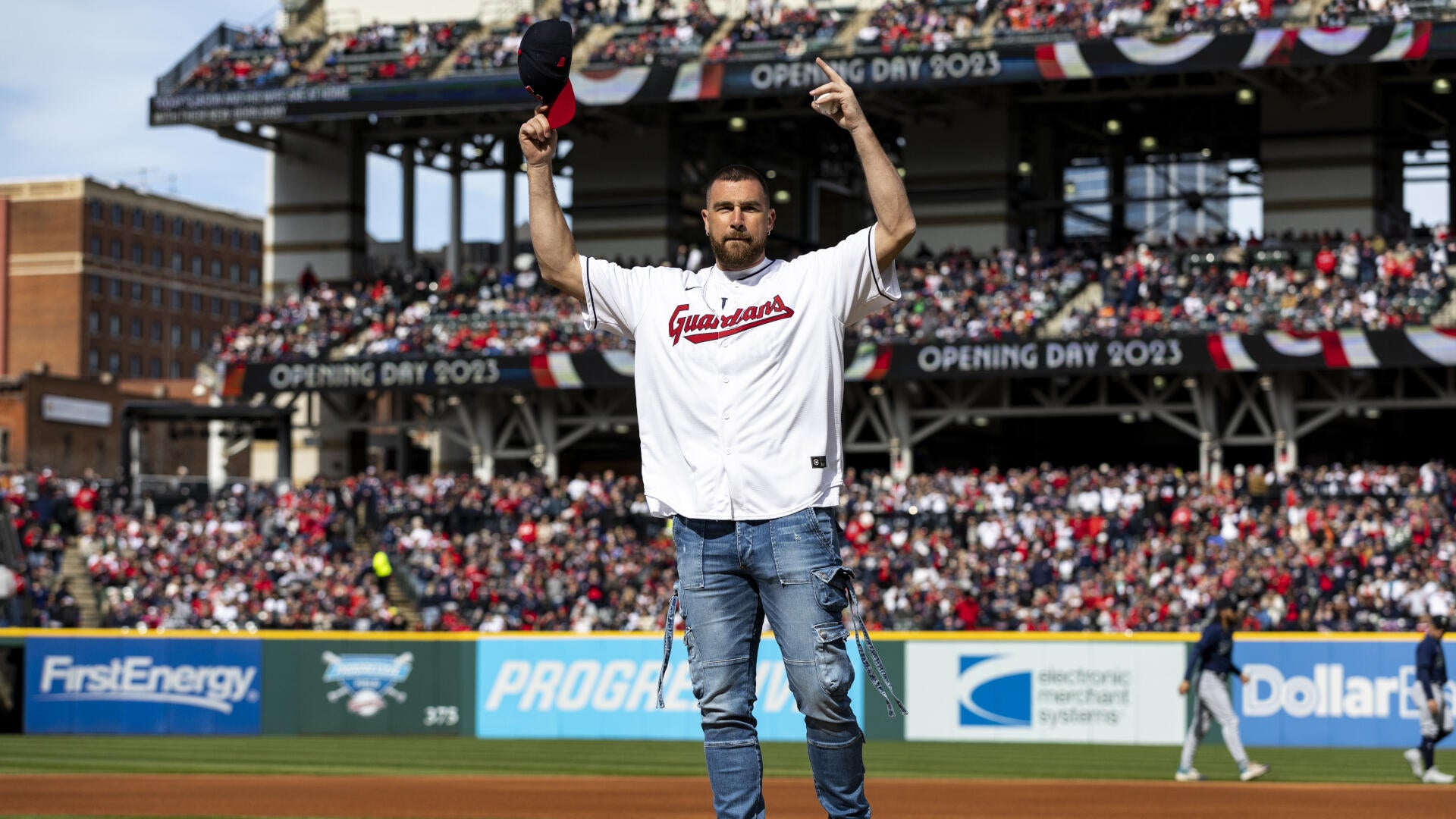
Photo · CBS Sports Headlines
There's a version of this story where Travis Kelce buying a minority stake in the Cleveland Guardians is filed under isn't that charming — hometown kid, local team, good vibes, next. That version is wrong.
Because Kelce isn't alone. Both sources covering this deal note the same thing almost in passing, the way you'd mention the weather: he's one of several pro sports stars now holding shares in MLB clubs. That's the sentence worth sitting with. Not the Kelce part. The several part.
The Accumulation Nobody Named
For a long time, athlete ownership was a novelty act. A retired star gets a small piece of something, cuts a ribbon, shows up in a luxury box. It was decorative. It was good for the press release and mostly irrelevant to how the organization actually ran. The athlete got proximity to a second sport; the team got a familiar face. Everyone smiled.
What's shifted — quietly, without anyone declaring it — is that active players with real capital are moving while they still have leverage. Kelce is still a Kansas City Chief. He's still one of the most recognizable players in football. He's not waiting for retirement to diversify, and he's not doing it as a vanity project. He's buying into a baseball team in the city where he grew up, which gives the move both financial logic and something harder to manufacture: actual roots.
The Guardians get his name attached to the franchise at a moment when the club is trying to build something. Kelce gets equity in a sport with a completely different revenue calendar, a different fanbase, and a different kind of longevity than anything the NFL can offer him. Football careers end. Baseball franchises tend not to.
What Status Looks Like Now
Here's the thing about calling this a status move: it undersells it, and it also gets it exactly right, depending on which direction you're looking from.
Yes, cross-sport equity has become a marker of a certain kind of athlete success. If you're in that conversation — if reporters are writing sentences like he joins a group that includes several other pro stars — then you've cleared a threshold most players never approach. That's real. The social signaling is real.
But the reason it signals anything is because it requires actual capital, actual decision-making, and actual risk. This isn't an endorsement deal. You don't get paid to put your name on a minority stake in a baseball club. You pay. The status comes from the willingness to deploy resources into something you don't fully control, in a sport you don't play, on a timeline that extends well past your own athletic prime.
That's a different kind of ambition than what we usually talk about when we talk about athletes and money.
Kelce isn't buying a restaurant or launching a tequila brand. He's buying into the ownership structure of a professional sports franchise — a structure that, historically, has been one of the most reliably appreciating assets in American entertainment. He's sitting at a table that used to be reserved for people who made their money in industries that had nothing to do with catching passes.
The fact that he's doing it while still active, while still producing at the highest level of his sport, while the leverage of his name is at its peak — that's not incidental. That's the strategy.
Several other pro athletes figured this out before him or alongside him. The coverage treats it like a footnote. It isn't. When a pattern shows up in the background of a story this many times, the pattern is the story.
Kelce just made it easier to see.
Keep reading sports.
ESPN Named Him. Then Unnamed Him. Nobody's Explaining the Gap.
A retraction without a reckoning is just a deleted link.

Three People Died Celebrating. FIFA Hasn't Said Their Names.
Mexico City buried three people after the World Cup crowds came through. At some point, the sport has to sit with that.

Sell the Stadium, Lose the Room
NFL franchises are rolling out the welcome mat for World Cup tourists — and the desperation is showing.
From the other desks.

800 Horsepower, One Ton of Doubt
Lamborghini built the most powerful SUV it's ever made. It's also slower than what it replaced.
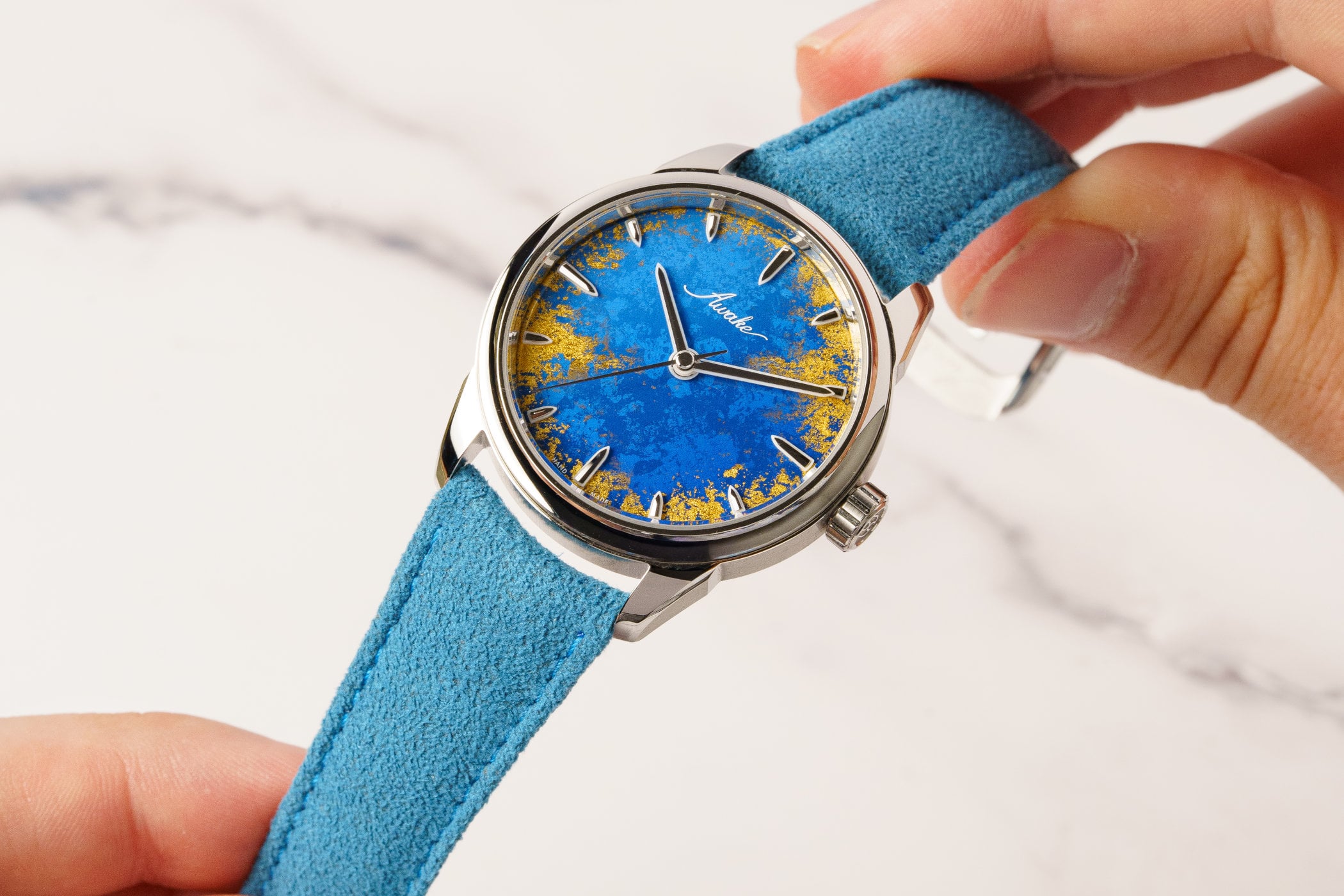
Gold Leaf on a Lacquer Dial, and the Weight of What That Costs
Awake's Frosted Leaf Royal Blue asks a question Vietnamese craft has never quite had to answer at this price.

Hide My Email Has Been Showing Your Email
Apple's privacy flagship has a hole in it. They've known for over a year.