The Bravest Thing TAG Heuer Did Was Stop Trying
The Monaco redesign isn't a comeback story. It's a confession.

Photo · GQ
There's a particular kind of courage in restraint. Not the passive kind — the active kind, where you look at decades of iteration and decide the original had it right, and that chasing something new was the wrong instinct all along.
TAG Heuer just did that with the Monaco. And it's worth sitting with.
What Refinement Actually Looks Like
The new Monaco Chronograph keeps the square case at 39mm. The shape that made the watch famous is still the shape. What changed is the material: grade 5 titanium, which WristReview notes makes a real difference on the wrist. That's not a small thing. The Monaco always had presence — the kind that announces itself before you've said a word. In titanium, that presence becomes something you can actually wear all day without the weight becoming its own statement.
GQ's framing was more direct: the new Monaco looks an awful lot like the old Monaco, and that's exactly the point. The headline called it, plainly, making the watch the right way again. Not a reinvention. A correction.
Both sources arrived at the same place from different angles. One celebrated the restraint. One analyzed it. Neither found anything to argue with.
The Other Monaco
Here's where it gets interesting. WristReview also covered a second release from the same Watches & Wonders 2026 showing — a more experimental take using the same square case as a platform for something further out. The publication described it as TAG Heuer playing two very different games at once: one model refining what works, one pushing the design somewhere new.
That split is telling. It suggests TAG Heuer isn't naive about what they're doing. They know the Monaco's shape is load-bearing — culturally, commercially, historically. The Chronograph honors that. The experimental variant tests how far the case can travel before it stops being a Monaco and starts being something else. It's a smart hedge, but the hedge only works because the foundation is solid.
When one piece of the collection does the hard, honest work of getting the classic right, the rest of the line earns the freedom to explore.
What the Coverage Gets Right
Both sources are essentially covering the same act of editorial courage — a brand admitting, through design, that earlier versions of this watch drifted. You don't return to something unless you left it. You don't call a redesign a correction unless there was something to correct.
I keep coming back to that titanium detail. It's the kind of change that doesn't photograph differently, doesn't generate a press release headline, doesn't give a stylist anything to point at. It just makes the watch better to own. That's the whole move. The rest of the design earns it by staying out of the way.
The smartest legacy watches don't reimagine themselves. They clarify themselves — stripping back what accumulated over time until the original intention is visible again, cleaner than before.
The Monaco didn't need a new idea. It needed someone to stop having them.
Keep reading fashion.

Gold Leaf on a Lacquer Dial, and the Weight of What That Costs
Awake's Frosted Leaf Royal Blue asks a question Vietnamese craft has never quite had to answer at this price.

Kyle Smith Has a Job Title That Didn't Exist Before. That's the Whole Tell.
When the NFL hires a fashion editor, it's not about clothes — it's about who gets to decide what matters.
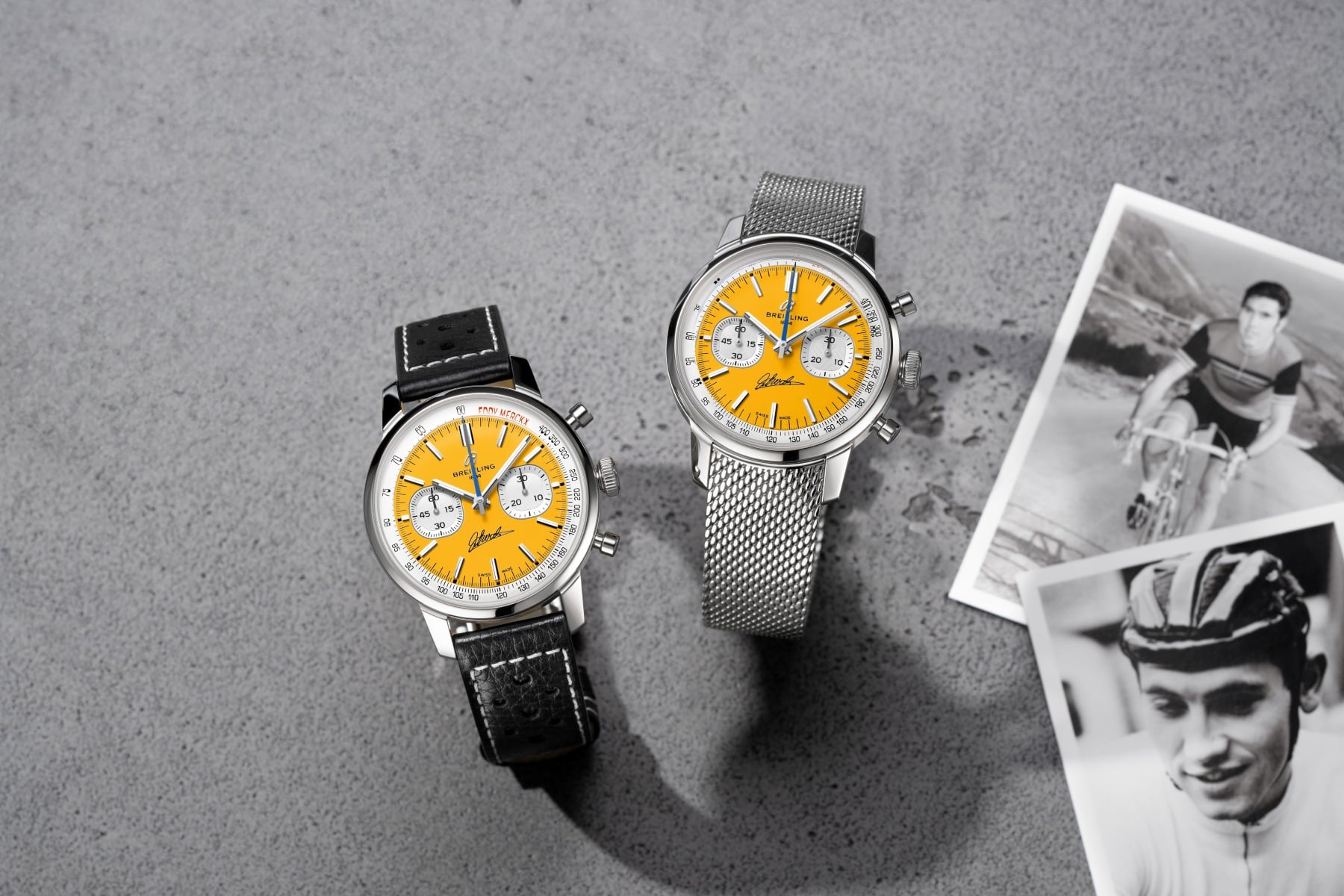
525 Victories, One Dial, and Cycling's Long Wait for a Wrist
Breitling's Eddy Merckx edition doesn't just reference a legend — it asks whether motorsport's younger sibling has finally earned its place in serious watch culture.
From the other desks.

800 Horsepower, One Ton of Doubt
Lamborghini built the most powerful SUV it's ever made. It's also slower than what it replaced.

ESPN Named Him. Then Unnamed Him. Nobody's Explaining the Gap.
A retraction without a reckoning is just a deleted link.

Hide My Email Has Been Showing Your Email
Apple's privacy flagship has a hole in it. They've known for over a year.