The Confidence of Not Changing
Tudor showed up to its own centenary with 31 new watches and zero identity crisis — and that restraint might be the most radical thing in the room.
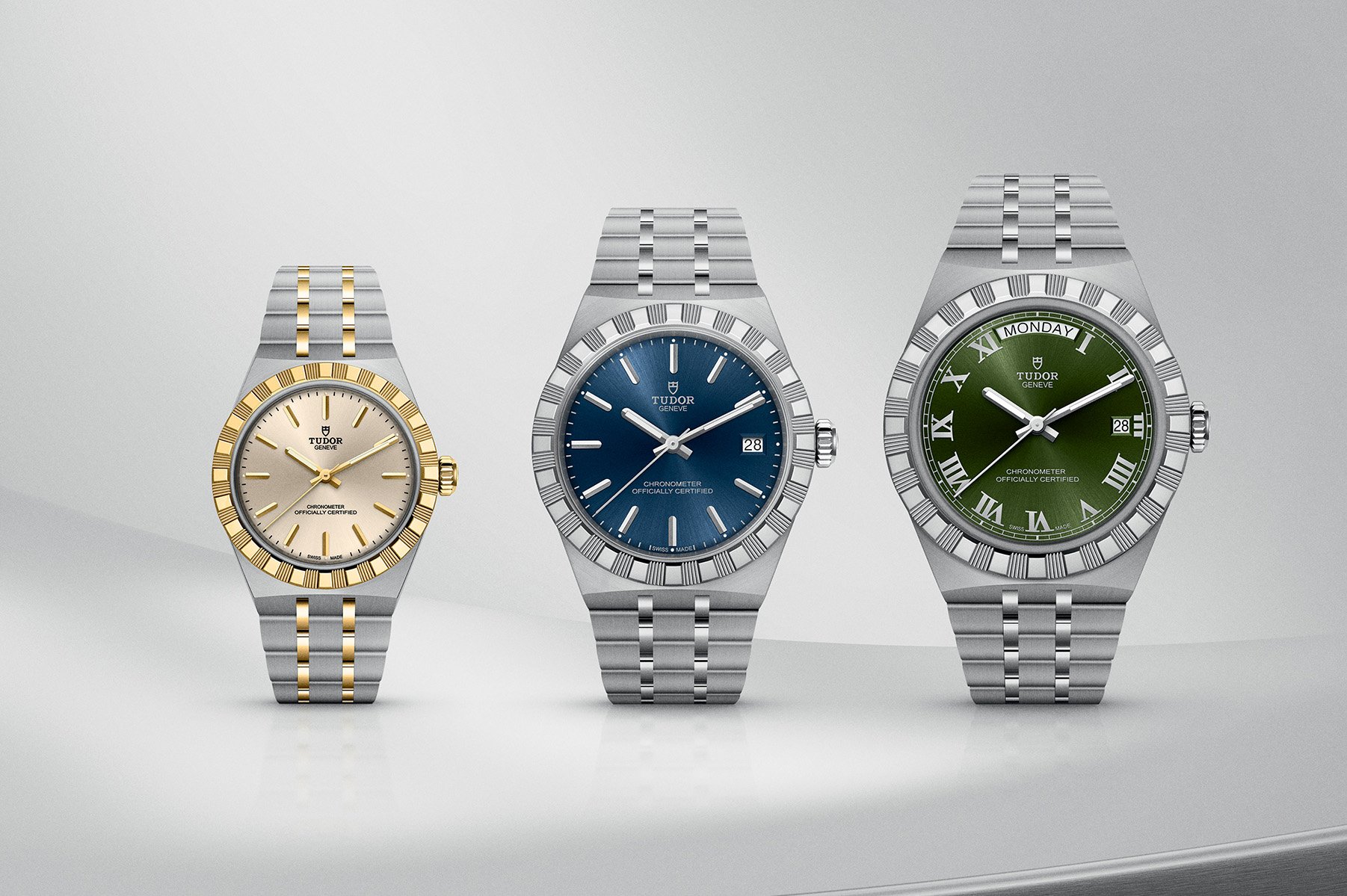
Photo · Fratello Watches – The Magazine Dedicated To Luxury Watches
What a Hundred Years Looks Like
Imagine you've been making something for a century. Not reinventing it. Not pivoting. Not chasing whatever the room thinks is interesting this season. Just making it, carefully, with the accumulated knowledge of everyone who made it before you. Now imagine walking into the biggest watch fair in the world and putting 31 versions of that thing on the table.
That's what Tudor did at Watches & Wonders 2026.
Thirty-one new references. Across the Royal, the Monarch, and the Black Bay family. The Royal alone accounts for 23 of them — now offered in three sizes, 30mm, 36mm, and 40mm, with manufacture movements throughout the range. The coverage was thorough, the reaction was warm, and somewhere underneath all of it was a question nobody quite asked directly: what does it mean to celebrate a hundred years by doing more of the same?
I think it means you've already won.
The Grammar of a Confident Brand
There's a certain kind of creative confidence that looks, from the outside, like conservatism. It isn't. It's the confidence of knowing your design language well enough to iterate within it indefinitely — to find new rooms in the same house rather than building a new house every few years. Tudor has that. Has had it for a while now. And 2026 is the year they leaned into it completely.
The Black Bay 58 gets slimmer, gets Master Chronometer certification, keeps its 39mm case and its late-1950s aesthetic. The Black Bay 54, which surprised everyone three years ago with its modest proportions, gets a sapphire-blue dial and bezel. The Black Bay Ceramic gets a revised dial and — this is the detail that made writers sit up — an all-new full ceramic bracelet, the first of its kind from Tudor. Fratello noted the ceramic release with genuine enthusiasm. Time+Tide called the bracelet a meaningful new facet. Oracle Time got hands-on with the Monarch and came away impressed.
All of it lands within a recognizable world. None of it breaks with what came before. And somehow, none of it feels like playing it safe.
That's the trick. That's the thing worth sitting with.
The Monarch, and What a Name Carries
The centenary piece is the Monarch. Fratello was quick to note that the name isn't new — there were Monarch models in the 1990s, popular in Asia — but today's version isn't a simple revival. It's a proper introduction: integrated design, a more decorated calibre, modern chronometer certification wrapped in something that reads as unmistakably vintage in its inspiration. Oracle Time called it a fusion of old and new. Time+Tide described it as a whole new facet for the brand's range.
I keep coming back to the choice of name. Monarch. Not a number, not a material, not a technical specification. A name with weight, with history, with a century of brand identity underneath it. You only reach for something like that when you're certain of what you are. Uncertain brands name things after their ambitions. Certain ones name things after their memory.
That's what a hundredth anniversary should feel like. Not a reinvention. A remembering.
What They All Missed
Eleven sources covered Tudor at Watches & Wonders 2026. Every one of them did their job — the specs, the details, the hands-on impressions, the context. DEPLOYANT ran the numbers: 31 novelties, 23 of them Royal references alone. Time+Tide catalogued the full lineup. Fratello went deep on each family. Oracle Time got close.
But the meta-observation, the thing sitting just behind the coverage, is this: heritage brands don't win by reinventing. They win by refusing to. The watch industry is full of brands that have chased relevance by abandoning the thing that made them relevant — changing proportions to chase trends, adding complications to justify prices, redesigning icons until nobody can remember what the original looked like. Tudor has done the opposite. They've held the line on design language while upgrading what's underneath: better movements, new materials, manufacture calibres where there weren't before. The house stays the same. The plumbing gets better.
That's not a failure of imagination. That's a philosophy.
And it's one that applies well beyond watches. There's something clarifying about watching a brand that knows exactly what it is — not what it wants to be, not what the market is telling it to be, but what it is — show up and simply do that thing, again, with more precision than last time. Thirty-one times over.
Most of us are still trying to figure out what our thing is. Tudor figured it out a long time ago. They just keep getting better at it.
Keep reading fashion.

Gold Leaf on a Lacquer Dial, and the Weight of What That Costs
Awake's Frosted Leaf Royal Blue asks a question Vietnamese craft has never quite had to answer at this price.

Kyle Smith Has a Job Title That Didn't Exist Before. That's the Whole Tell.
When the NFL hires a fashion editor, it's not about clothes — it's about who gets to decide what matters.
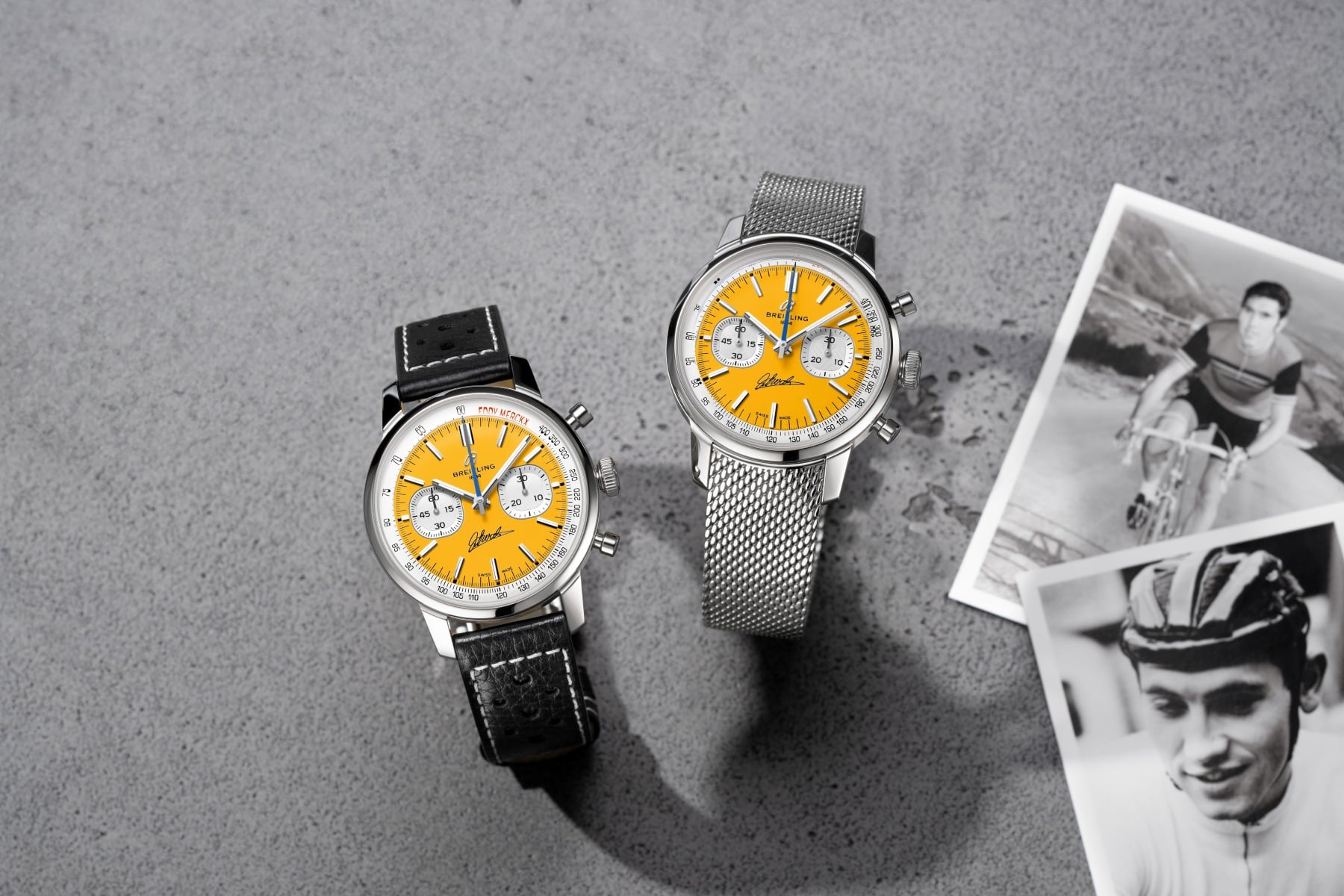
525 Victories, One Dial, and Cycling's Long Wait for a Wrist
Breitling's Eddy Merckx edition doesn't just reference a legend — it asks whether motorsport's younger sibling has finally earned its place in serious watch culture.
From the other desks.

800 Horsepower, One Ton of Doubt
Lamborghini built the most powerful SUV it's ever made. It's also slower than what it replaced.

ESPN Named Him. Then Unnamed Him. Nobody's Explaining the Gap.
A retraction without a reckoning is just a deleted link.

Hide My Email Has Been Showing Your Email
Apple's privacy flagship has a hole in it. They've known for over a year.