The Quilt Has Landed Somewhere It Can't Come Back From
Chanel's most recognizable texture just showed up on a $65 canvas shoe, and the fact that it works is the whole story.
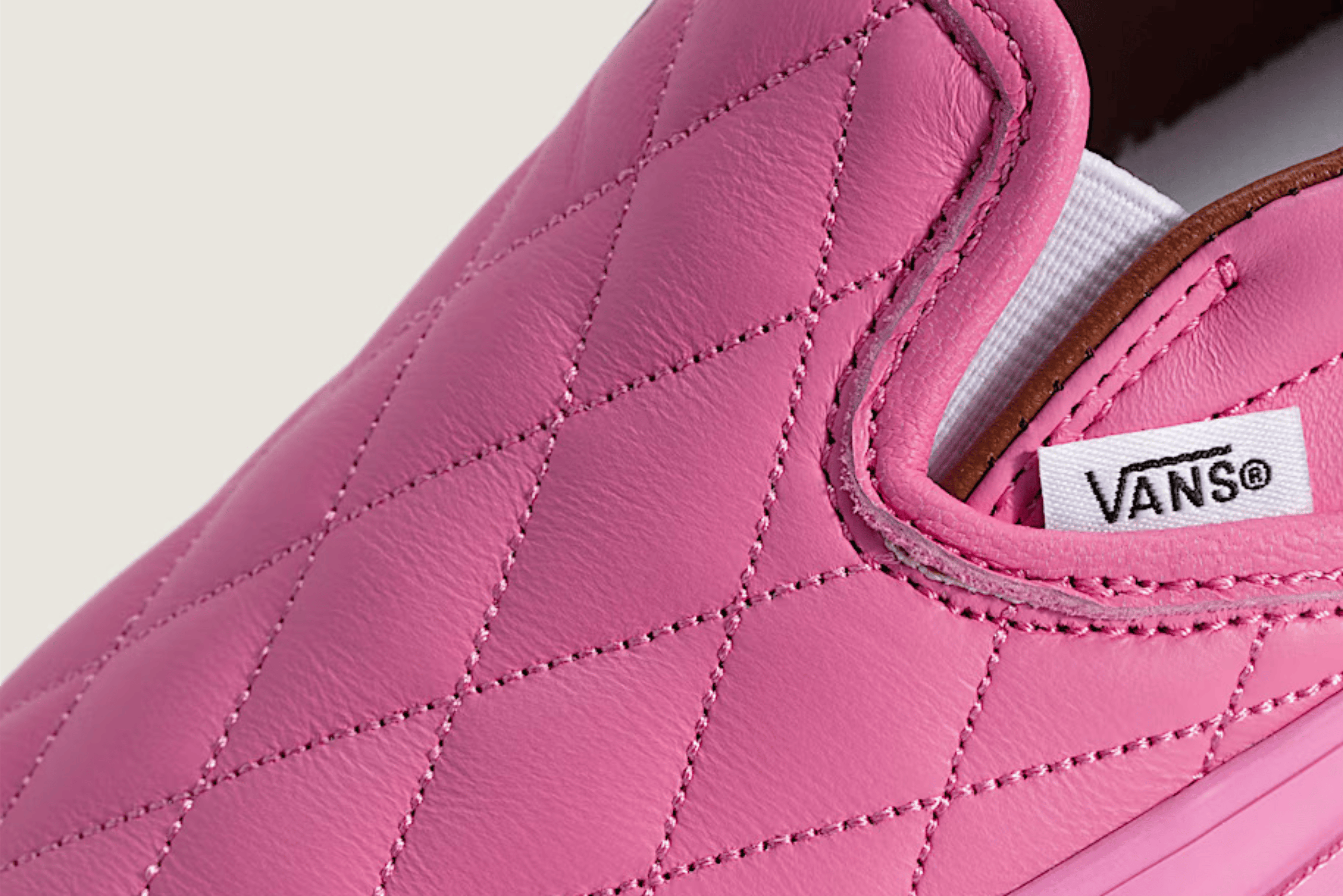
Photo · Highsnobiety
The high-low conversation in fashion has been happening for so long it stopped being a conversation. It became a formula. Drop a recognizable luxury reference onto something democratic. Collect the press. Move on.
So when Highsnobiety clocks a quilted Vans Slip-On carrying the unmistakable diamond stitch of the Chanel Classic Flap, the first instinct is to file it under of course. Another day, another collision. Another knowing wink from the streetwear-adjacent press.
Except this one lands differently. And it's worth asking why.
The Texture That Built a Language
The Chanel quilt is not just a pattern. It's a signal system. Decades of placement on the most aspirational object in a certain kind of woman's wardrobe turned that diamond grid into shorthand for a very specific kind of status — old, European, earned through patience or inheritance or both.
That's the thing about the Classic Flap. Its design language was never casual. Every element — the chain, the double-C clasp, the quilting — was load-bearing. Remove any one of them and you lose the meaning.
What happens when you take only the quilting, strip everything else, and press it onto a silhouette that has spent fifty years on the feet of skaters, surfers, and people who genuinely do not care?
You get something that shouldn't resolve. But apparently does.
What It Actually Says
Highsnobiety noting this moment matters because of what publication it is. This isn't a fashion week recap from Vogue. It's a street-culture outlet that has spent years charting the exact pressure points where hype and heritage intersect. When they flag something, they're usually flagging a shift in who's allowed to speak what language.
The Slip-On is the most classless shoe in the canon. Not in the pejorative sense — in the literal one. It belongs to no tribe with any consistency. It's been worn by everyone from Jeff Spicoli to fashion editors who should know better and do anyway. That openness is its whole value.
Putting Chanel's most loaded texture on that silhouette isn't subversion anymore. It's something quieter and more interesting: it's confirmation that the quilt has been fully absorbed into the visual commons. It doesn't carry the original freight. It just carries the shape.
That's not a criticism. That's how symbols actually travel.
The question worth sitting with is what this means for the original. Not for Chanel — they'll be fine. But for the idea that certain visual languages could remain exclusive through repetition and price alone. The Slip-On collaboration, if it reads as natural rather than transgressive, means the answer is no. Exclusivity through aesthetics has a half-life. Eventually the texture escapes the object.
Fashion has been flirting with this conclusion for years. The Vans Slip-On might be the clearest evidence yet that the flirtation is over.
The quilt belongs to everyone now. Chanel just doesn't know it yet.
Keep reading fashion.

Gold Leaf on a Lacquer Dial, and the Weight of What That Costs
Awake's Frosted Leaf Royal Blue asks a question Vietnamese craft has never quite had to answer at this price.

Kyle Smith Has a Job Title That Didn't Exist Before. That's the Whole Tell.
When the NFL hires a fashion editor, it's not about clothes — it's about who gets to decide what matters.
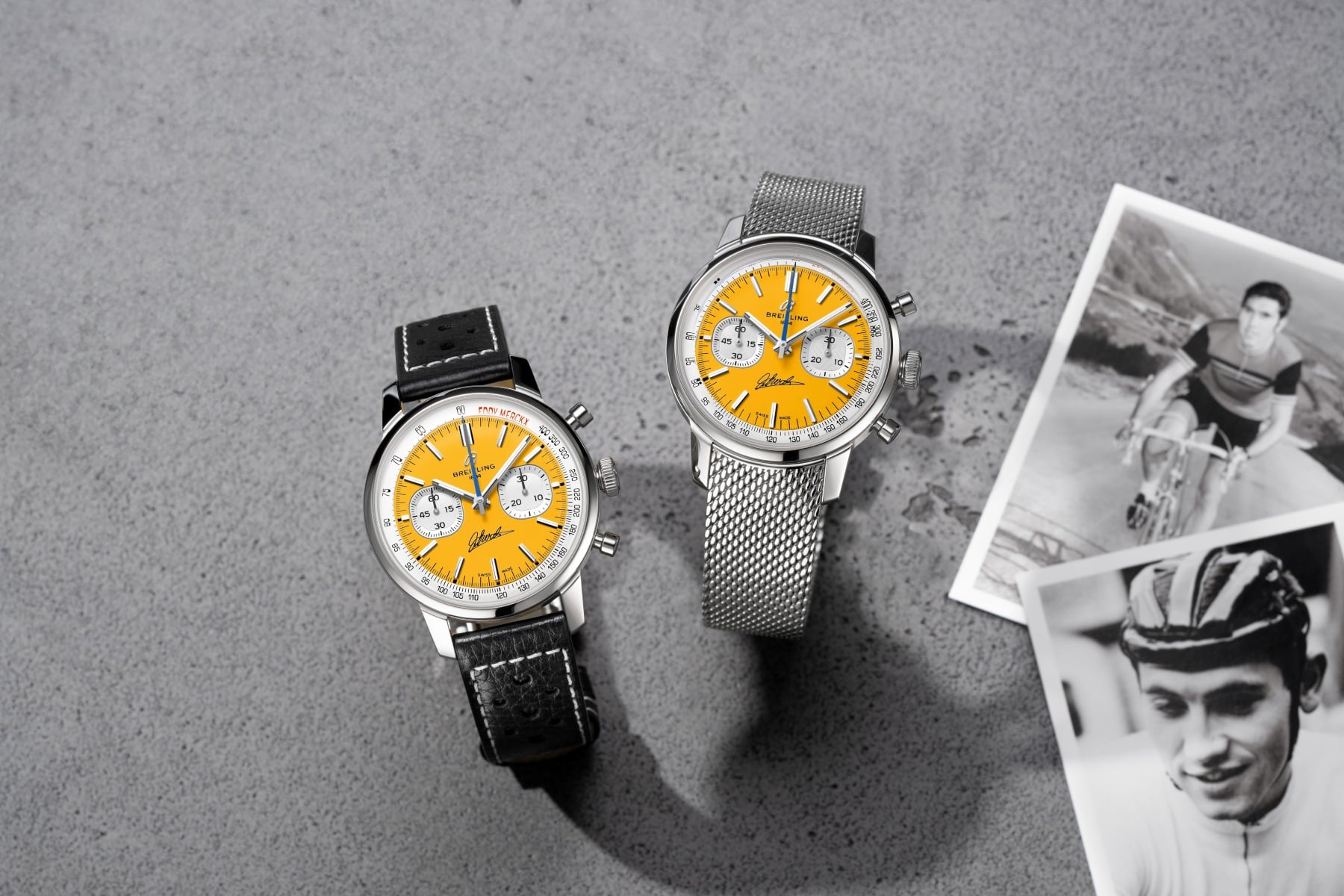
525 Victories, One Dial, and Cycling's Long Wait for a Wrist
Breitling's Eddy Merckx edition doesn't just reference a legend — it asks whether motorsport's younger sibling has finally earned its place in serious watch culture.
From the other desks.

800 Horsepower, One Ton of Doubt
Lamborghini built the most powerful SUV it's ever made. It's also slower than what it replaced.

ESPN Named Him. Then Unnamed Him. Nobody's Explaining the Gap.
A retraction without a reckoning is just a deleted link.

Hide My Email Has Been Showing Your Email
Apple's privacy flagship has a hole in it. They've known for over a year.