Two Straps, Ten Years, One Argument Settled
Sacai and Birkenstock didn't reinvent the sandal. They just made the case you already lost.
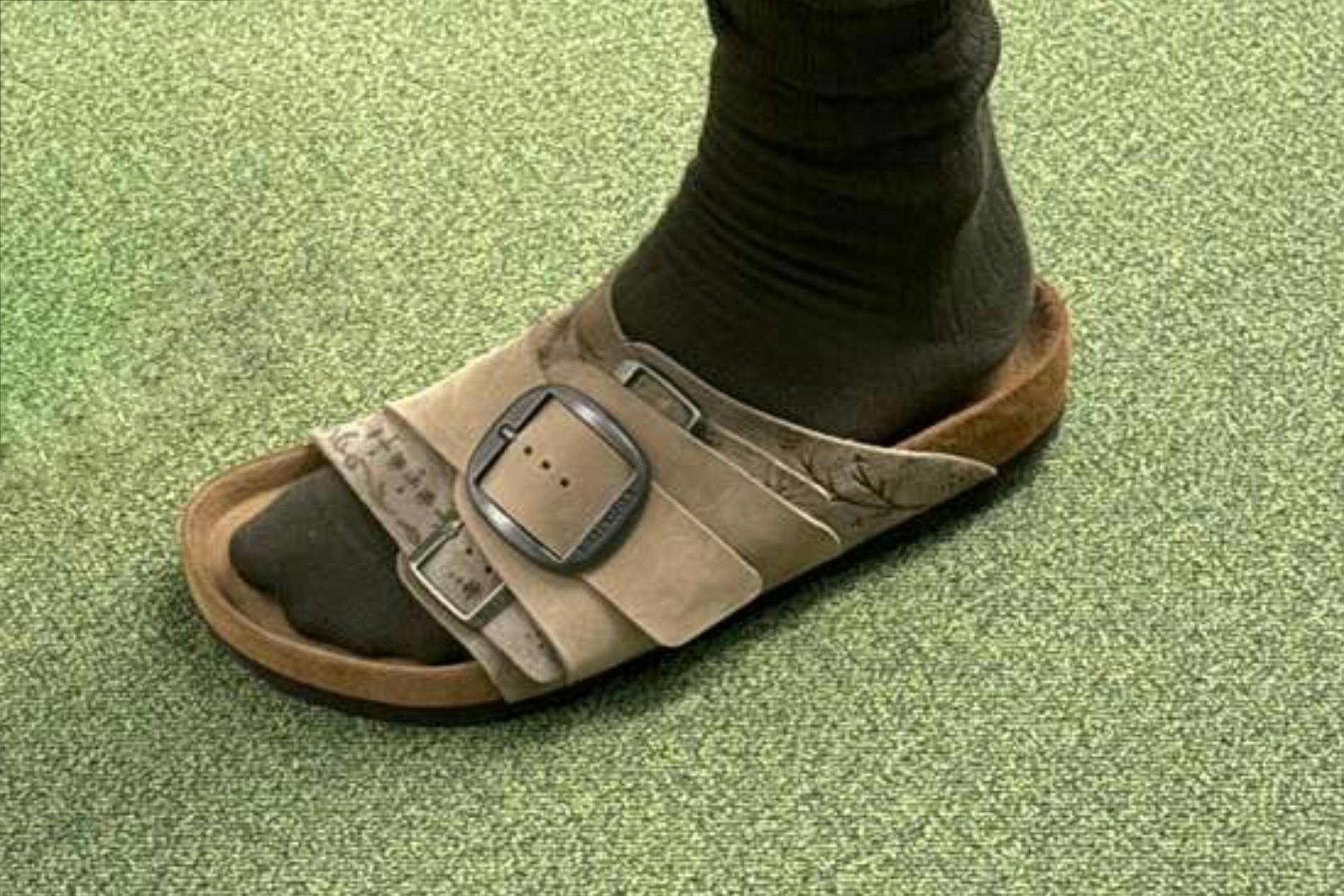
Photo · Highsnobiety
There's a version of this collaboration that gets dismissed. A heritage footwear brand known for orthopedic sincerity meets a Tokyo label built on deconstruction and layering — and the result is, what, a sandal with an extra strap? Easy to shrug at. But that shrug is exactly what these two have been quietly outlasting for a decade.
According to GQ, the sacai and Birkenstock partnership has been running for roughly ten years. That's not a capsule. That's a conviction. And when two brands maintain that kind of continuity, what eventually comes out the other end isn't a novelty — it's a thesis.
What the Double Strap Actually Says
The SS27 collaboration, covered by both Highsnobiety and GQ, lands on double-strapped silhouettes rendered in classic colorways. On paper, that sounds conservative. In practice, it's the only move that makes sense.
Sacai's whole vocabulary is about addition — the layered, the reconstructed, the thing that looks like two things reconciled into one. Applying that instinct to Birkenstock doesn't produce something alien. It produces something that feels like the original should have always had the option. The double strap reads less like a design intervention and more like a correction, quiet and assured. Highsnobiety called the result the Birks of 2027. That framing is doing real work. Not the Birks of right now, chasing a trend already peaking — of 2027, implying these arrive a step ahead of wherever the conversation is currently stuck.
The colorways reinforcing that. Classic, not reactive. When you're confident in the silhouette, you don't need the palette to do the arguing.
The Larger Shift Nobody Wants to Credit
For a long time, fashion treated comfort as a concession. You wore the uncomfortable thing because the discomfort was part of the signal — that you'd chosen aesthetics over your own body, which meant you cared enough about the former to sacrifice the latter. That calculus held for decades. It produced some beautiful, punishing things.
What's happened slowly, then all at once, is that comfort stopped being the thing you apologized for. Birkenstock was always the proof-of-concept — a sandal so committed to its own function that it became, inevitably, a design object. Not despite the cork footbed and the wide toe box, but because of them. The honesty of the thing became the appeal.
Sacai understood this early, which is presumably why the partnership started and why it kept going. Chitose Abe's entire project has been about complexity that doesn't sacrifice wearability — clothes and shoes that carry ideas without punishing the body carrying them. Birkenstock, in its way, had always done the same. The collaboration isn't a compromise between two aesthetics. It's an agreement between two philosophies that were already aligned.
Ten years of collaboration produces that kind of clarity. You stop trying to make the brands meet in the middle and start letting them speak in the same register.
The double strap, in the end, is a small thing. But small things that take a decade to arrive tend to be the ones worth paying attention to.
Keep reading fashion.

Gold Leaf on a Lacquer Dial, and the Weight of What That Costs
Awake's Frosted Leaf Royal Blue asks a question Vietnamese craft has never quite had to answer at this price.
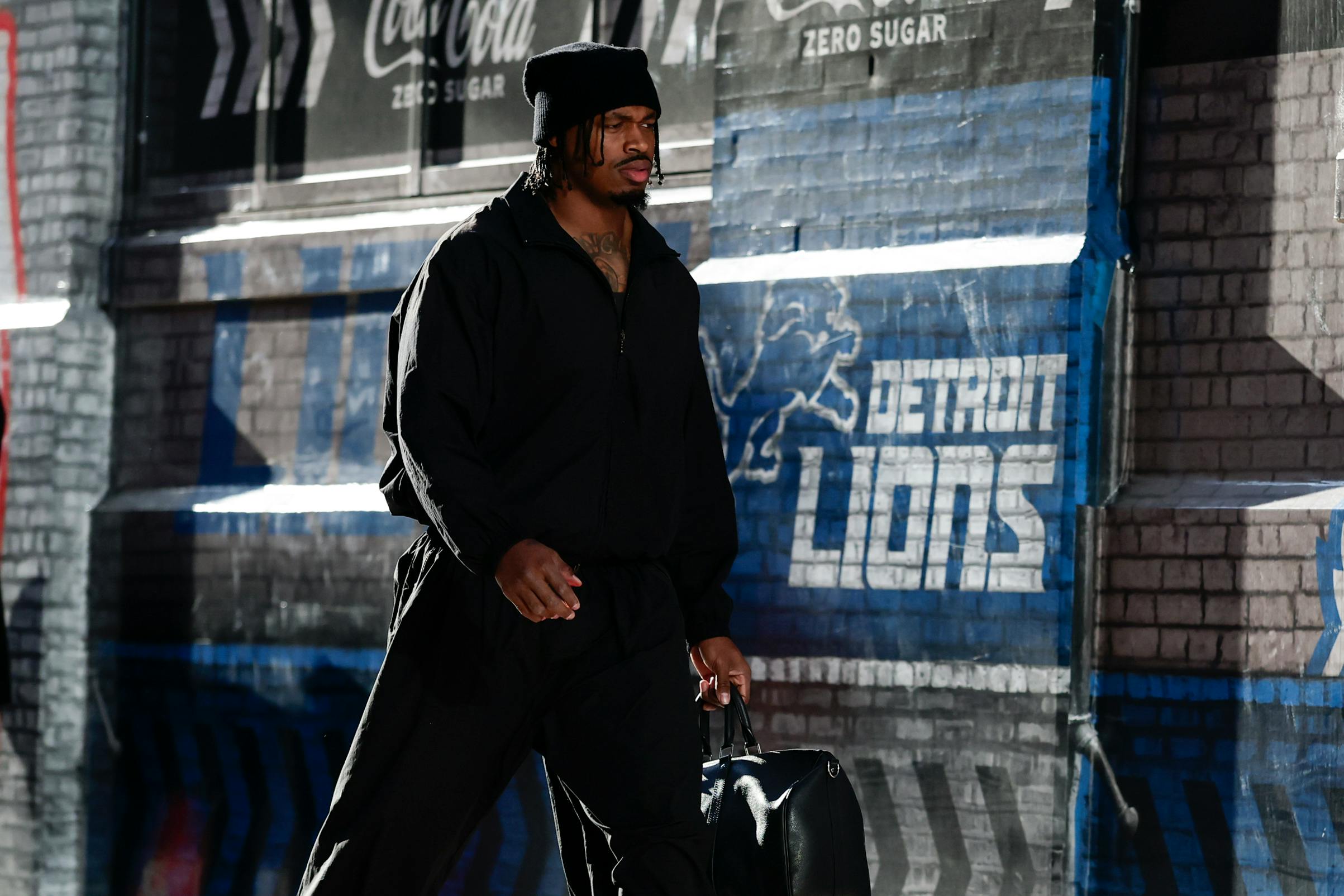
Kyle Smith Has a Job Title That Didn't Exist Before. That's the Whole Tell.
When the NFL hires a fashion editor, it's not about clothes — it's about who gets to decide what matters.
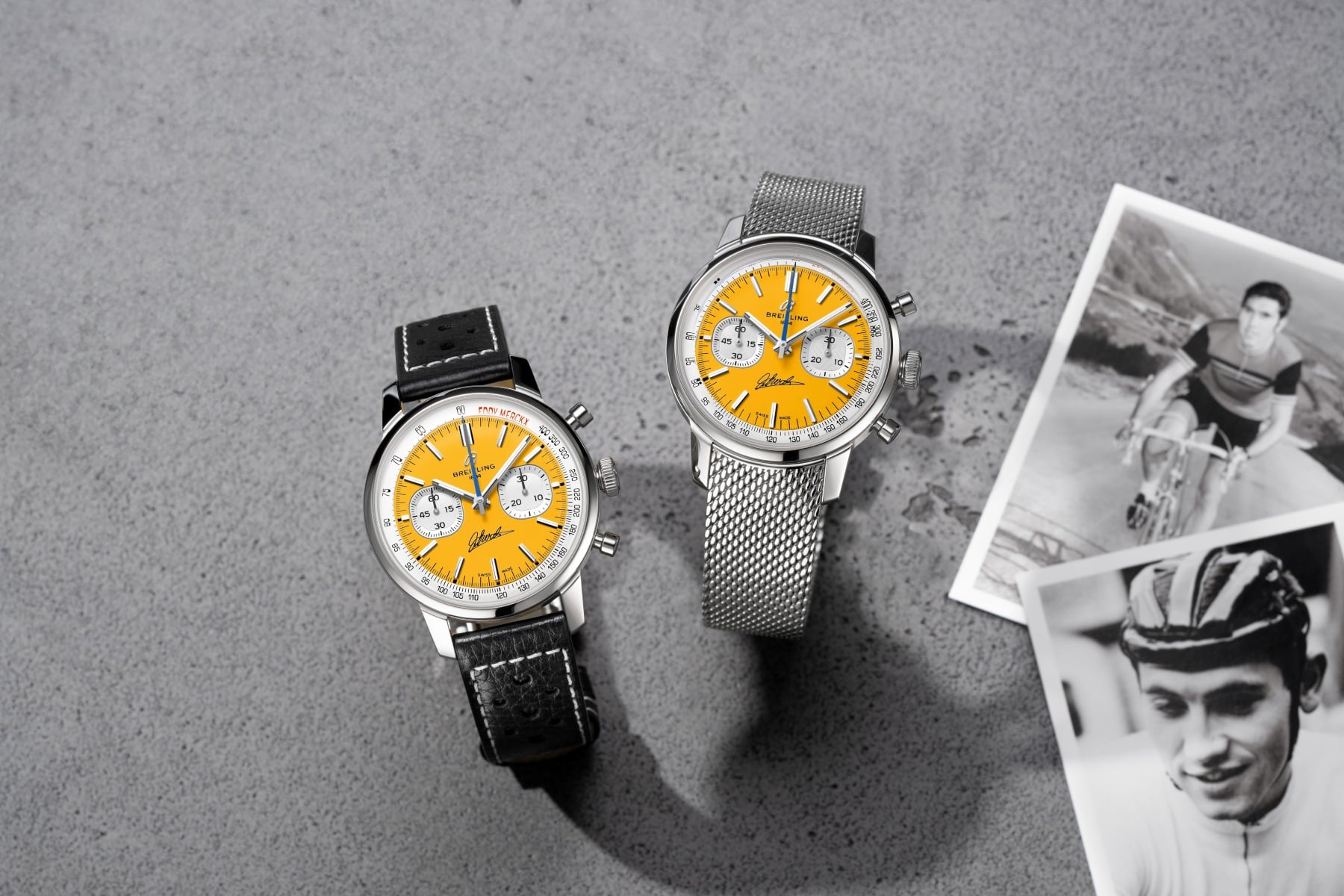
525 Victories, One Dial, and Cycling's Long Wait for a Wrist
Breitling's Eddy Merckx edition doesn't just reference a legend — it asks whether motorsport's younger sibling has finally earned its place in serious watch culture.
From the other desks.

800 Horsepower, One Ton of Doubt
Lamborghini built the most powerful SUV it's ever made. It's also slower than what it replaced.

ESPN Named Him. Then Unnamed Him. Nobody's Explaining the Gap.
A retraction without a reckoning is just a deleted link.

Hide My Email Has Been Showing Your Email
Apple's privacy flagship has a hole in it. They've known for over a year.