Uniqlo Just Won an Argument Nobody Wanted to Have
JW Anderson designed a pair of jeans for Uniqlo, and now the guy spending $400 on raw denim has some explaining to do.

Photo · GQ
The best-dressed guy in the room is rarely the one who paid the most to be there. He's the one who figured something out.
JW Anderson designing for Uniqlo isn't a surprise — the collaborations have been consistent, quiet, and good. What's different this time is the denim itself. It's the kind of cut that makes you look twice, not because it's loud, but because it's right. The proportion. The weight. The way it doesn't try to look like anything other than what it is.
That's harder to pull off than it sounds. Most affordable denim is cheap in the way it fits, not just the way it's priced. It rounds off at the hip. It pools at the ankle. It apologizes for itself in the way only clothes that know they're compromises can. This doesn't do any of that. It sits where it's supposed to sit and stops where it's supposed to stop.
What Anderson Actually Did Here
Anderson's instinct has always been to find the interesting thing inside the expected shape. He doesn't blow up the silhouette — he just makes you aware of it. That sensibility translates well to denim because denim is already a solved problem. Nobody needs a new kind of jean. They need the right one, made well enough that the rightness is visible from across the room.
That's what this is. And it costs what a dinner for two costs, not what a mortgage payment costs.
The raw denim conversation isn't going away. Nor should it. There's something real in selvedge construction — the way the fabric tightens over time, the fades that map your actual life onto the cloth, the hip pocket that blows out exactly where you keep your phone. That's a legitimate trade. You're buying a process, not just a product. A pair of Japanese raw denim from a serious mill is genuinely different from anything a fast-fashion supply chain can produce, and the people who care about that difference aren't wrong to care.
But the Gap Just Narrowed
The argument for spending serious money on jeans has always rested on two pillars: construction and fit. The first still holds. The second just got complicated.
Because fit — real fit, the kind that makes a pair of jeans look like they were made for you — has historically been the thing money was supposed to buy. The assumption was that below a certain price point, you were accepting a compromise. That the silhouette would be approximate. That the rise would be either too low or too high, never quite right.
Anderson just demonstrated that assumption isn't always true. Which means the guy dropping $400 on raw denim can no longer lean on fit as the self-evident justification. He has to actually know what he's getting for the difference — and he has to be honest about whether he'd be able to tell in a photograph.
Most people couldn't. That's not an insult. It's just the truth about how clothes work in the world versus how they work in our heads.
Wear what you want. Buy the raw denim if you love what happens to it over three years. Buy it because the mill matters to you, because the construction is something you want to understand, because the object itself is the point. Those are all good reasons.
Just don't buy it because you assumed nothing else could compete. That assumption just cost you $350.
Keep reading fashion.

Gold Leaf on a Lacquer Dial, and the Weight of What That Costs
Awake's Frosted Leaf Royal Blue asks a question Vietnamese craft has never quite had to answer at this price.
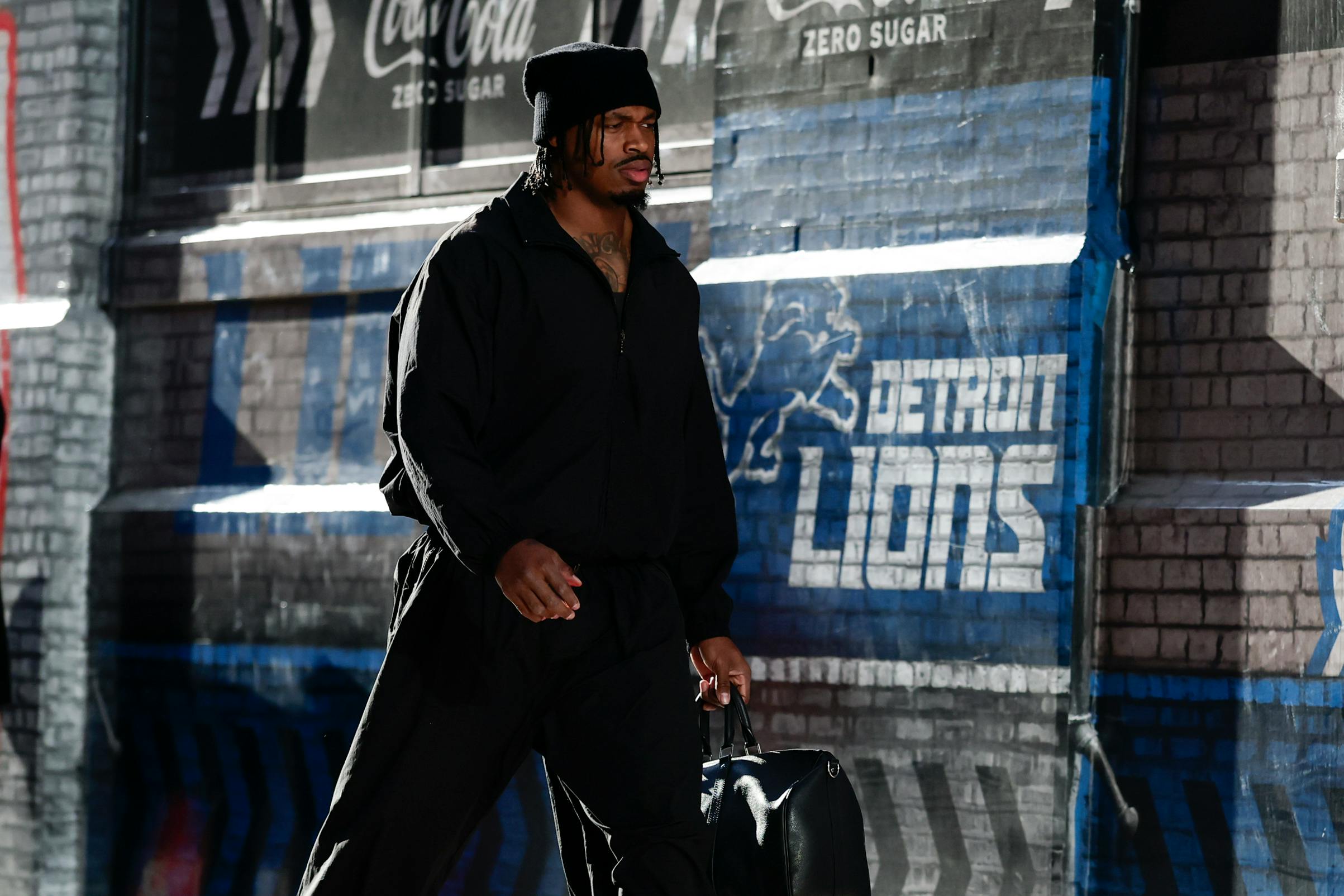
Kyle Smith Has a Job Title That Didn't Exist Before. That's the Whole Tell.
When the NFL hires a fashion editor, it's not about clothes — it's about who gets to decide what matters.
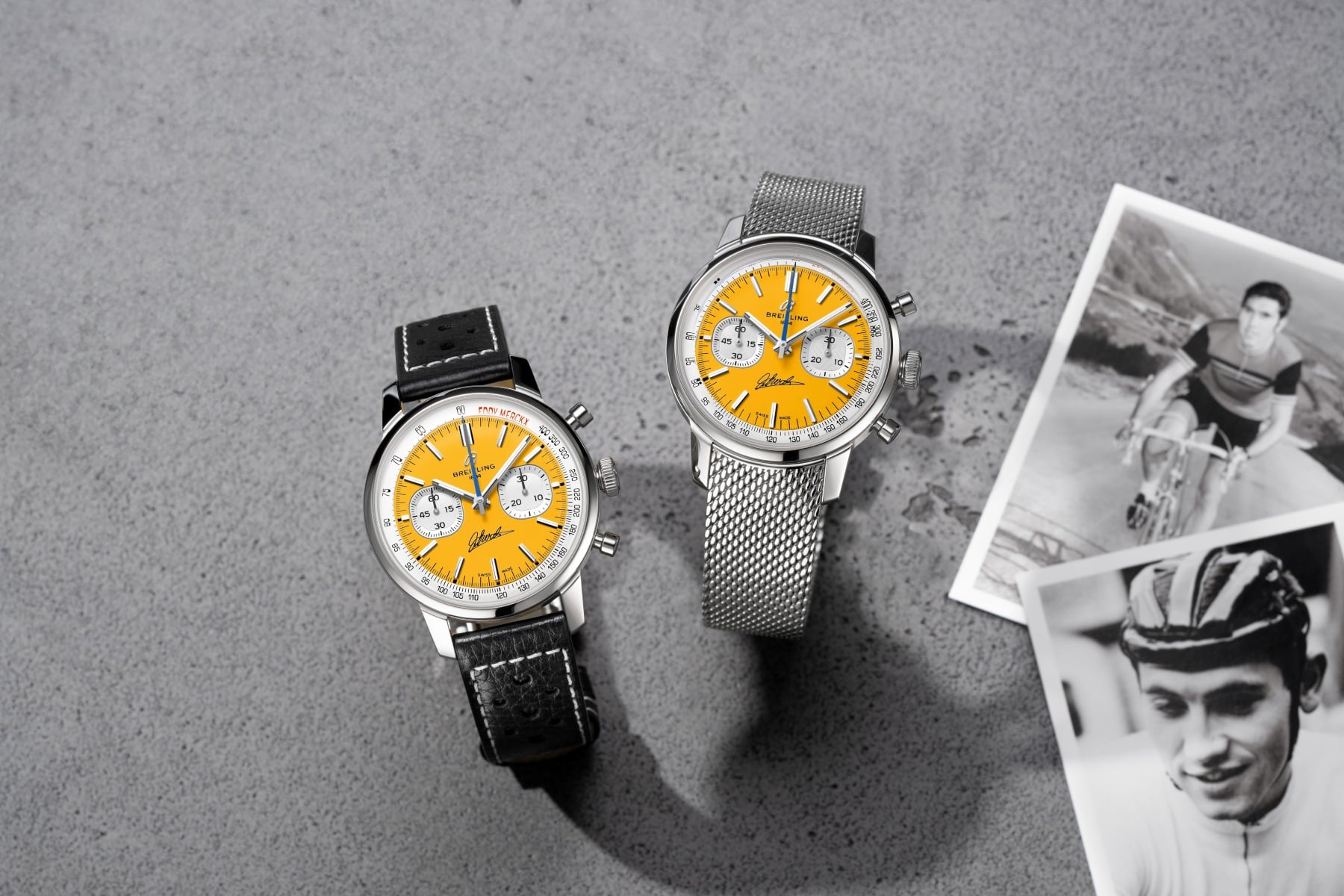
525 Victories, One Dial, and Cycling's Long Wait for a Wrist
Breitling's Eddy Merckx edition doesn't just reference a legend — it asks whether motorsport's younger sibling has finally earned its place in serious watch culture.
From the other desks.

800 Horsepower, One Ton of Doubt
Lamborghini built the most powerful SUV it's ever made. It's also slower than what it replaced.

ESPN Named Him. Then Unnamed Him. Nobody's Explaining the Gap.
A retraction without a reckoning is just a deleted link.

Hide My Email Has Been Showing Your Email
Apple's privacy flagship has a hole in it. They've known for over a year.