Universal Genève Came Back With Everything. That's the Problem.
A relaunch this big isn't a statement of identity — it's a question about it.

Photo · Hodinkee
The watch press wanted Universal Genève back. Now it's back. And the coverage reads like everyone is trying very hard not to ask the obvious question.
Eleven Polerouter variants. Six Compax configurations, including the Nina Rindt. A Cabriolet revival. A Disco Volante and Dioramic reinterpretation. A full ladies' line. A flagship store in Geneva. All at once.
That's not a relaunch. That's a catalog drop.
What a Confident Brand Looks Like
The brands that came back well — Heuer becoming TAG, Longines rediscovering its aviation roots, even Tudor finding its footing after years in Rolex's shadow — did it with a thesis. One collection. One movement. One thing they were willing to be judged on. The bet was specific. The identity was legible.
Universal Genève's bet is the opposite. It's arriving with so much that you can't quite see the shape of the brand behind it. The Polerouter is genuinely iconic — one of the great postwar watch designs, and the microrotor story is real horological heritage, not marketing fiction. The Compax chronograph earned its reputation across decades. These are not invented legacies. They're the real thing.
But releasing eleven versions of the Polerouter simultaneously doesn't honor the icon. It hedges against it. It says: we don't know which one you want, so here are all of them.
The Coverage Tells You Something
Hodinkee ran five separate introductions. Five. Each collection got its own article, its own framing, its own careful enthusiasm. Fratello called the return "tangible" after two years of teasing, which is a generous way of saying the industry has been patient.
What neither publication was willing to say — what none of the coverage said — is that volume is a form of uncertainty dressed up as confidence. When a brand drops this much at once, it's often because it hasn't yet figured out what it is. The archive is doing the heavy lifting. The archive is deep enough to carry it, for now.
The ladies' line is interesting precisely because it's the one place where Universal Genève had room to say something new. Fashion references, historical shapes reworked for a contemporary sensibility — that's not just heritage retrieval, that's interpretation. Whether the execution earns that ambition is a question the coverage raises without quite answering.
The Cabriolet is the other wild card. A 1930s convertible-case watch returning in five variants is either a brand swinging for something genuinely strange or a brand padding its launch roster. Possibly both.
What Comes Next Is the Real Test
Universal Genève has the one thing most relaunch brands don't: actual design DNA worth reviving. The Polerouter's proportions hold up. The Compax dial hierarchy — the way the registers sit, the way the indices breathe — is legitimately good watchmaking translated into watchmaking aesthetics. This isn't nostalgia for nostalgia's sake.
But a brand isn't its archive. It's what it chooses to do with the archive. And right now, Universal Genève's answer to that question is: everything.
That might work. The market for serious vintage-adjacent watches is real, and Universal Genève has the credibility to compete in it. The Geneva flagship gives the brand a physical center of gravity it's needed.
The edit, though, will come. It always does. The question is whether Universal Genève makes it themselves — or whether the market makes it for them.
Coming back is the easy part. Knowing what you came back as is the work.
Keep reading fashion.

Gold Leaf on a Lacquer Dial, and the Weight of What That Costs
Awake's Frosted Leaf Royal Blue asks a question Vietnamese craft has never quite had to answer at this price.
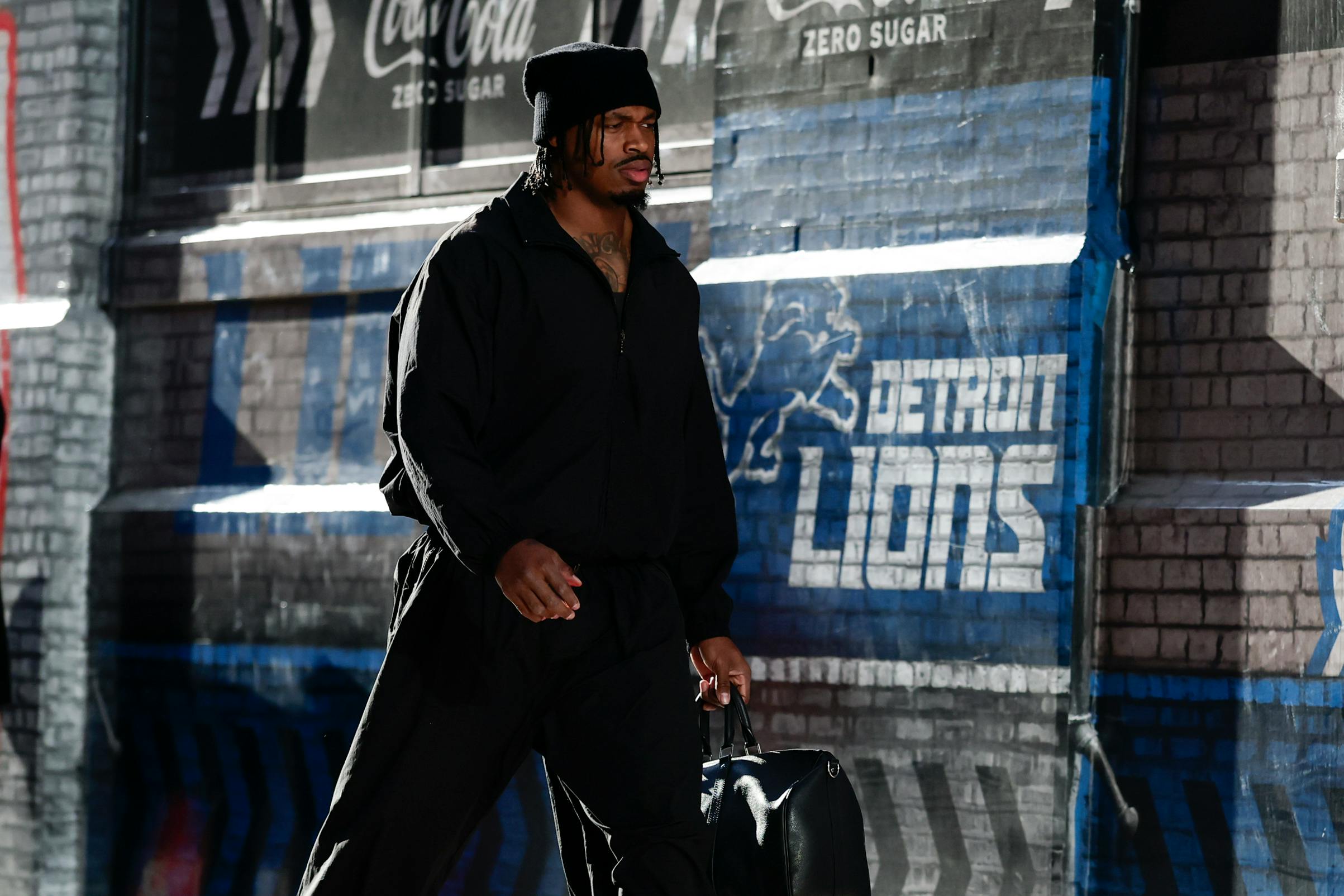
Kyle Smith Has a Job Title That Didn't Exist Before. That's the Whole Tell.
When the NFL hires a fashion editor, it's not about clothes — it's about who gets to decide what matters.
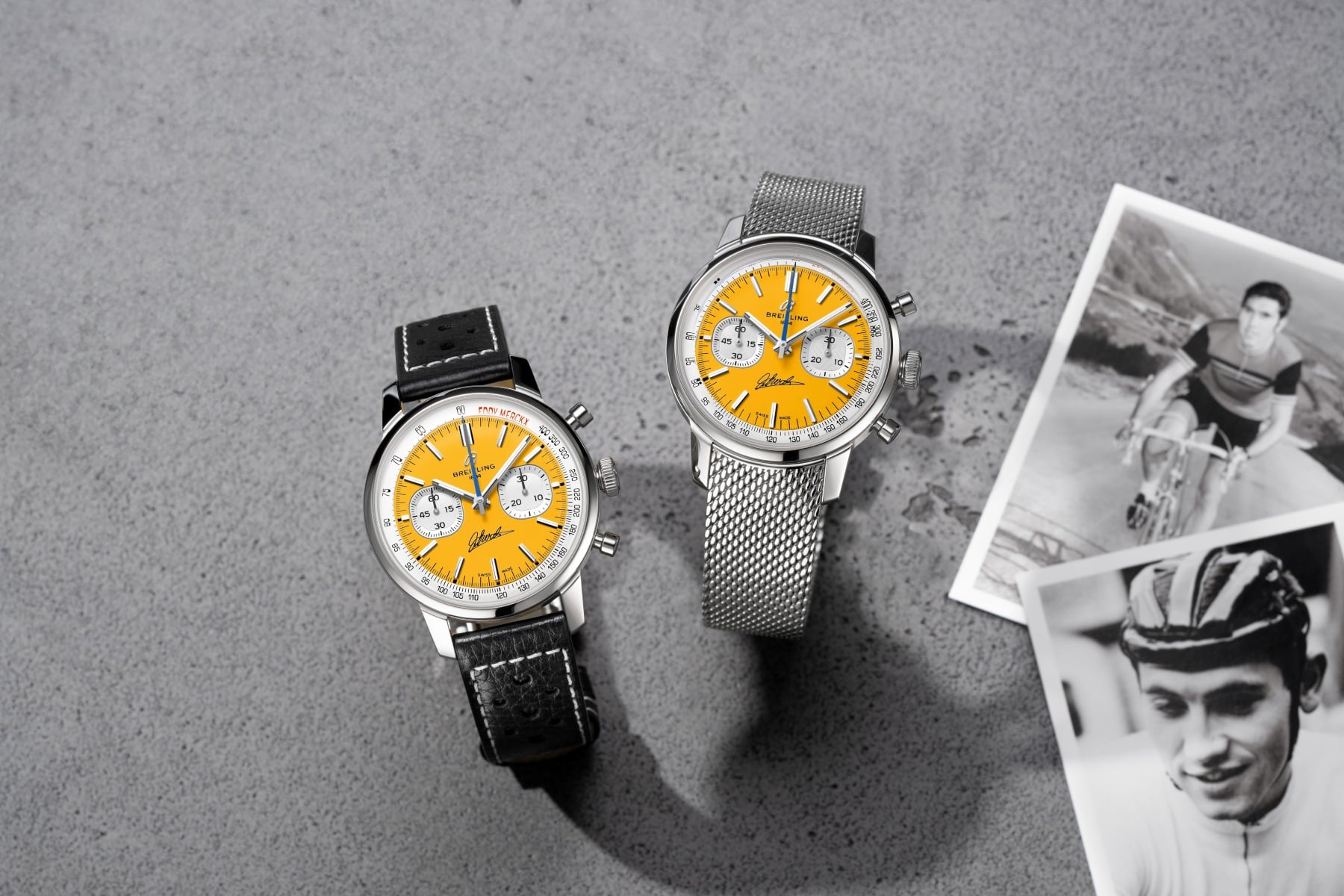
525 Victories, One Dial, and Cycling's Long Wait for a Wrist
Breitling's Eddy Merckx edition doesn't just reference a legend — it asks whether motorsport's younger sibling has finally earned its place in serious watch culture.
From the other desks.

800 Horsepower, One Ton of Doubt
Lamborghini built the most powerful SUV it's ever made. It's also slower than what it replaced.

ESPN Named Him. Then Unnamed Him. Nobody's Explaining the Gap.
A retraction without a reckoning is just a deleted link.

Hide My Email Has Been Showing Your Email
Apple's privacy flagship has a hole in it. They've known for over a year.