Everyone Is Celebrating the Return of Universal Genève. Nobody Is Asking Why It Deserves One.
Seven publications, one revival, and a question nobody wanted to ruin the party by asking.
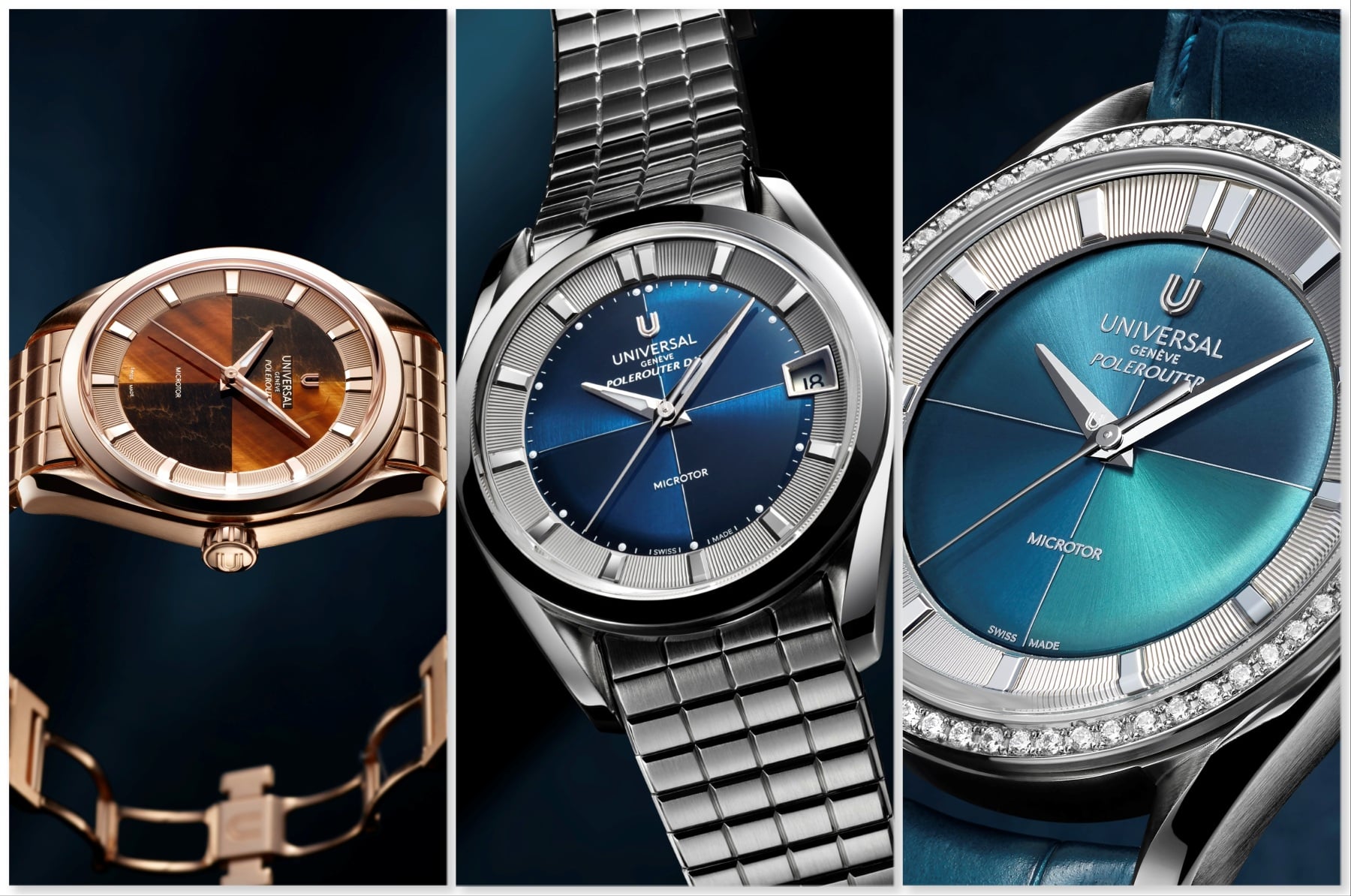
Photo · Fratello Watches – The Magazine Dedicated To Luxury Watches
The Resurrection Industrial Complex
Brand revivals are the watch industry's favorite magic trick. Pull a dormant name from the archive, polish the logo, find a movement that fits the aesthetic, and let the collectors do the rest. It works because collectors are romantic by nature. They want the story to be true. So when Universal Genève came back — four collections, a Geneva flagship, the Polerouter leading the charge — the watch press lined up to celebrate. Fratello called it a return. Worn & Wound said enthusiasts had been waiting years. Time+Tide admitted to being a UG romantic outright. The word "glorious" appeared. Nobody paused.
I don't blame any of them. Universal Genève earned its mythology. From the 1940s through the 1960s, it was a genuine pillar of Swiss watchmaking — the Polerouter a legitimate design achievement, the Compax a chronograph with actual collectors behind it. The Nina Rindt association alone gives the Compax a cultural weight that money can't manufacture. These aren't invented stories. They're real ones. That's exactly what makes the harder question worth asking.
What Breitling's Fingerprints Mean
Robb Report noted it plainly: Breitling resuscitated the brand. That fact appeared in most coverage and disappeared just as fast. Which is strange, because it's the most structurally important detail in the entire story.
Breitling is not a neutral custodian. It's a company with its own commercial ambitions, its own positioning, its own growth targets. When a corporation revives a dormant brand, the question isn't whether they love the history — of course they say they do — the question is what the history is being asked to do. Is it being preserved, or deployed?
That distinction matters because Universal Genève's original appeal was built on independence. On craft decisions made without a parent company's quarterly review in the room. The Polerouter happened because someone at a mid-century independent manufacture thought it was worth doing. The new Polerouter happens because Breitling decided a revival was worth the investment. Those are different conditions, and they produce different objects, even if the objects look similar.
None of the seven sources spent meaningful time on this tension. Time+Tide came closest, acknowledging that questions would come, but framed them as things the romantic in them was willing to overlook. That's honest. It's also a tell.
What the Watches Actually Have to Prove
Here's what I keep coming back to: the design work, from everything the coverage describes, appears genuinely considered. The Polerouter's proportions seem to have been treated with care. The Compax's Nina chapter continues rather than just references. Four collections is a real commitment — not a capsule drop designed to test the market and disappear. A Geneva flagship is a physical bet, not a press release.
That matters. Because the difference between a revival that earns its name and one that just borrows it usually comes down to whether the people behind it made hard choices. Did they resist the temptation to make the case diameter 40mm because the market wants 40mm? Did they use a movement that fits the watch's character rather than the one that fits the margin? The coverage suggests someone cared. Whether that care survives the first five years of commercial pressure is a different question entirely.
The Polerouter is the test case. It was always the soul of the brand. If it holds up — not just aesthetically, but in the way it wears, in the decisions buried inside it — then Breitling will have done something genuinely difficult: handed a brand back to itself.
If it doesn't, the archive will still be there. It always is.
The mythology survives every revival. The question is whether the watches do.
Keep reading fashion.

Gold Leaf on a Lacquer Dial, and the Weight of What That Costs
Awake's Frosted Leaf Royal Blue asks a question Vietnamese craft has never quite had to answer at this price.
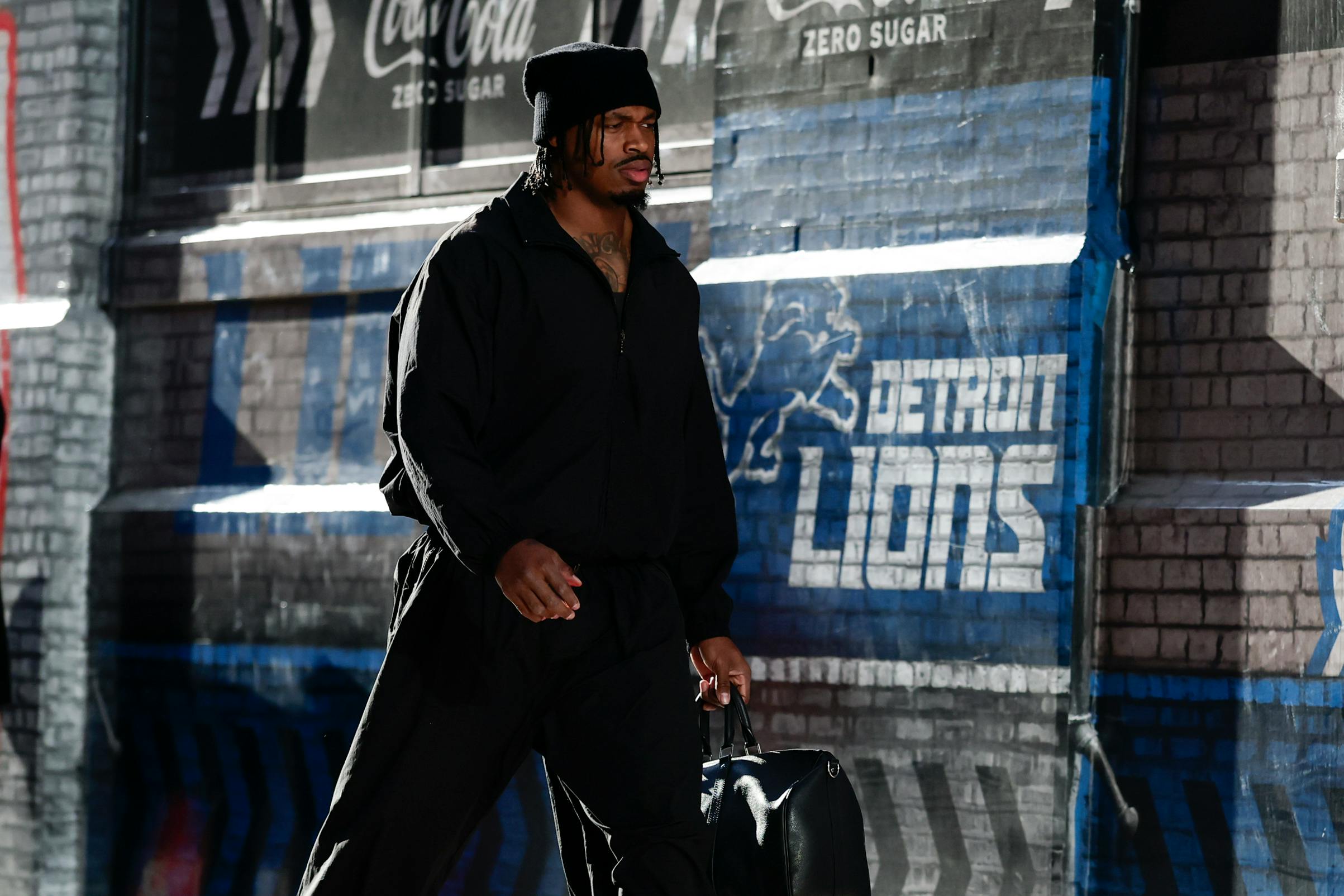
Kyle Smith Has a Job Title That Didn't Exist Before. That's the Whole Tell.
When the NFL hires a fashion editor, it's not about clothes — it's about who gets to decide what matters.
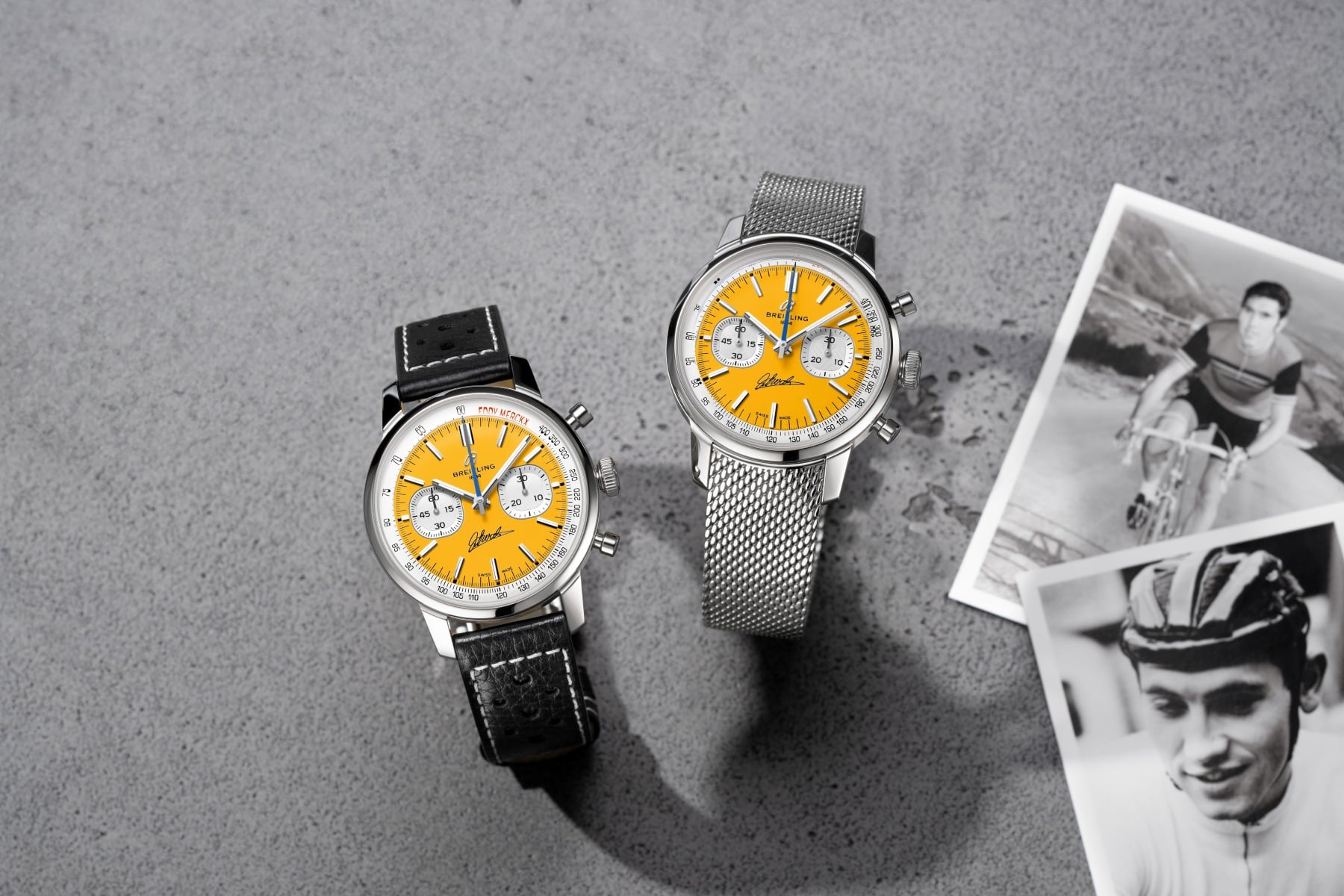
525 Victories, One Dial, and Cycling's Long Wait for a Wrist
Breitling's Eddy Merckx edition doesn't just reference a legend — it asks whether motorsport's younger sibling has finally earned its place in serious watch culture.
From the other desks.

800 Horsepower, One Ton of Doubt
Lamborghini built the most powerful SUV it's ever made. It's also slower than what it replaced.

ESPN Named Him. Then Unnamed Him. Nobody's Explaining the Gap.
A retraction without a reckoning is just a deleted link.

Hide My Email Has Been Showing Your Email
Apple's privacy flagship has a hole in it. They've known for over a year.