Watches and Wonders Isn't a Trade Show Anymore. Act Accordingly.
64 brands, one week, and a city that stops pretending it's about anything other than desire.

Photo · Fratello Watches – The Magazine Dedicated To Luxury Watches
The calendar has been cleared. Geneva in April is no longer something you follow through press releases and livestreams — it's something you feel in the room, or you don't feel at all.
Watches and Wonders 2026 runs April 14th through the 20th. Sixty-four exhibiting brands. A footprint that's spilled well past any single venue and into the city itself. This is what fashion week looked like before fashion week got tired of itself.
The difference is the buyers here can tell you the finishing on the movement. They know the reference numbers. They've been waiting twelve months for one specific announcement and they'll know within thirty seconds whether it delivered.
Stakes, Not Spectacle
That's the energy that makes this week worth paying attention to even if you're not there. Not the spectacle — the stakes. Brands spend the entire year building toward seven days. Reputations shift. A single release can reframe a whole collection. A misstep can follow a maison for years.
Basel used to own this moment. Then it didn't. The exodus wasn't just logistical — it was a statement about where seriousness lives now. Geneva inherited the weight, and it's worn it well. Watches and Wonders has become the place where the industry decides what it believes about itself.
That pressure is visible in how brands show up. The booths aren't booths anymore. They're environments — architectural commitments that cost more than most people's cars and exist for seven days. You don't build that for a trade audience. You build it because the room is full of people who will remember exactly how it felt to stand in it.
The Announcement Economy
The pre-show leaks are their own genre now. Renders circulate. Forum threads hit triple digits before the doors open. By the time a brand makes its official reveal, the enthusiast community has already argued about it for 72 hours. That's not noise — that's engagement most industries would spend millions trying to manufacture.
But the leak cycle has a cost. It raises the bar for surprise. The releases that cut through in 2026 won't be the ones that were well-documented in advance. They'll be the ones nobody saw coming — the left-field reference, the unexpected collaboration, the brand that zigged when everyone expected the obvious continuation.
There's also the question of who the audience actually is now. Watches and Wonders draws collectors, journalists, retailers, and a growing contingent of people who simply love watches and saved up for the trip. That last group matters. They're not there to write orders. They're there because this week means something to them personally. When a show starts attracting that kind of attendance, it's crossed into cultural territory that trade shows never reach.
Watch what lands. Watch what gets politely applauded and quietly forgotten by Thursday. The gap between those two things is where the real story lives — and this year, that gap might be wider than ever.
Keep reading fashion.
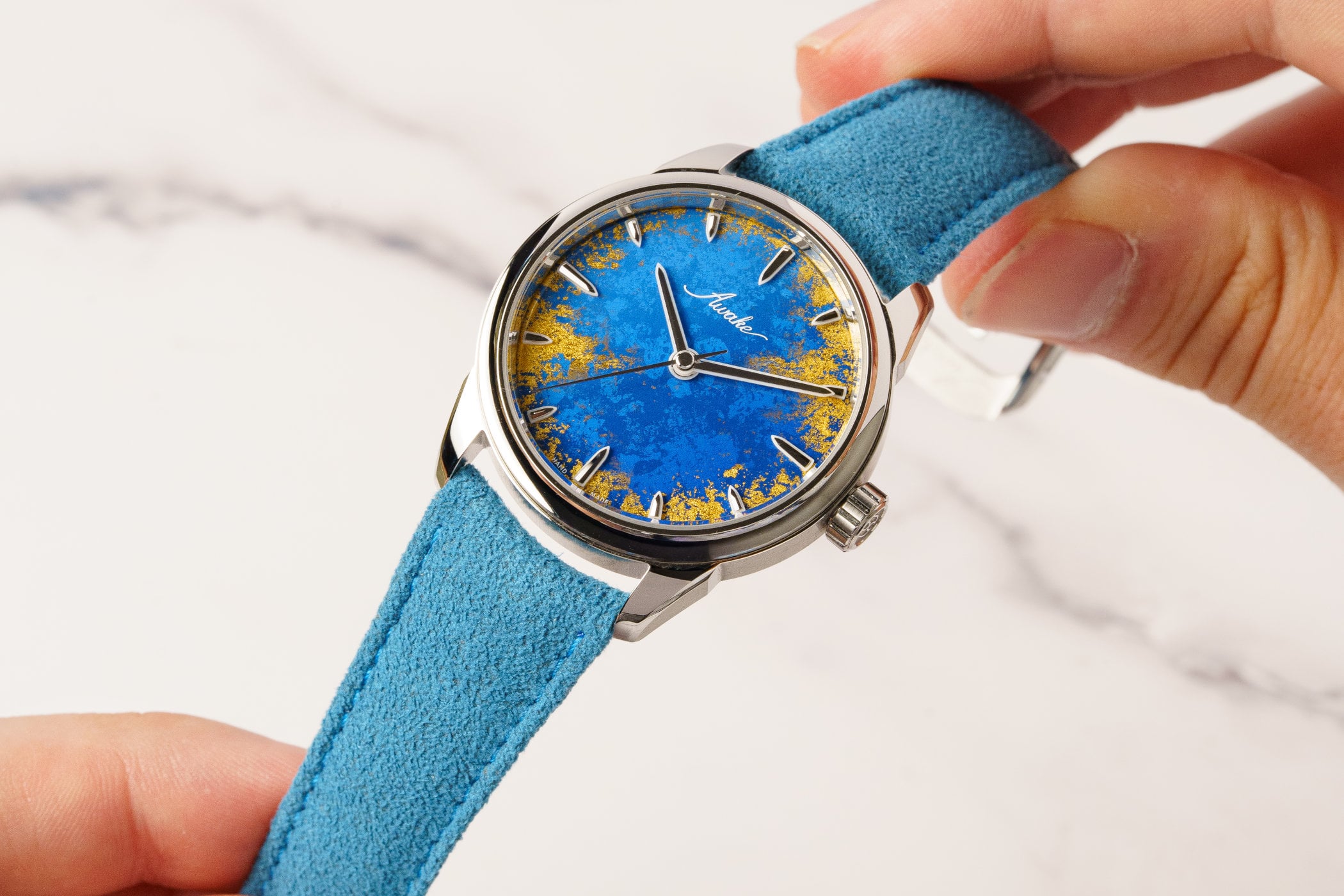
Gold Leaf on a Lacquer Dial, and the Weight of What That Costs
Awake's Frosted Leaf Royal Blue asks a question Vietnamese craft has never quite had to answer at this price.
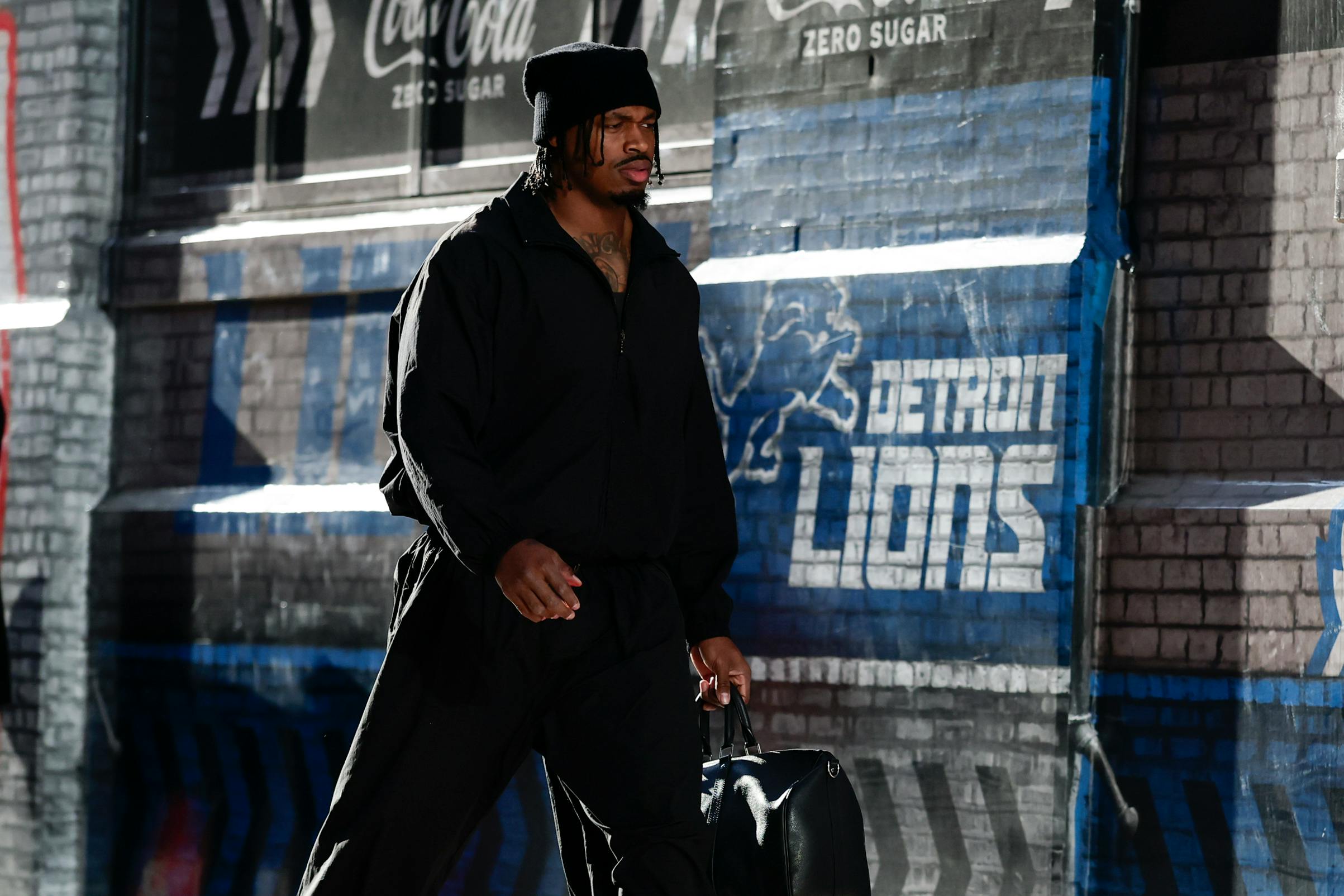
Kyle Smith Has a Job Title That Didn't Exist Before. That's the Whole Tell.
When the NFL hires a fashion editor, it's not about clothes — it's about who gets to decide what matters.
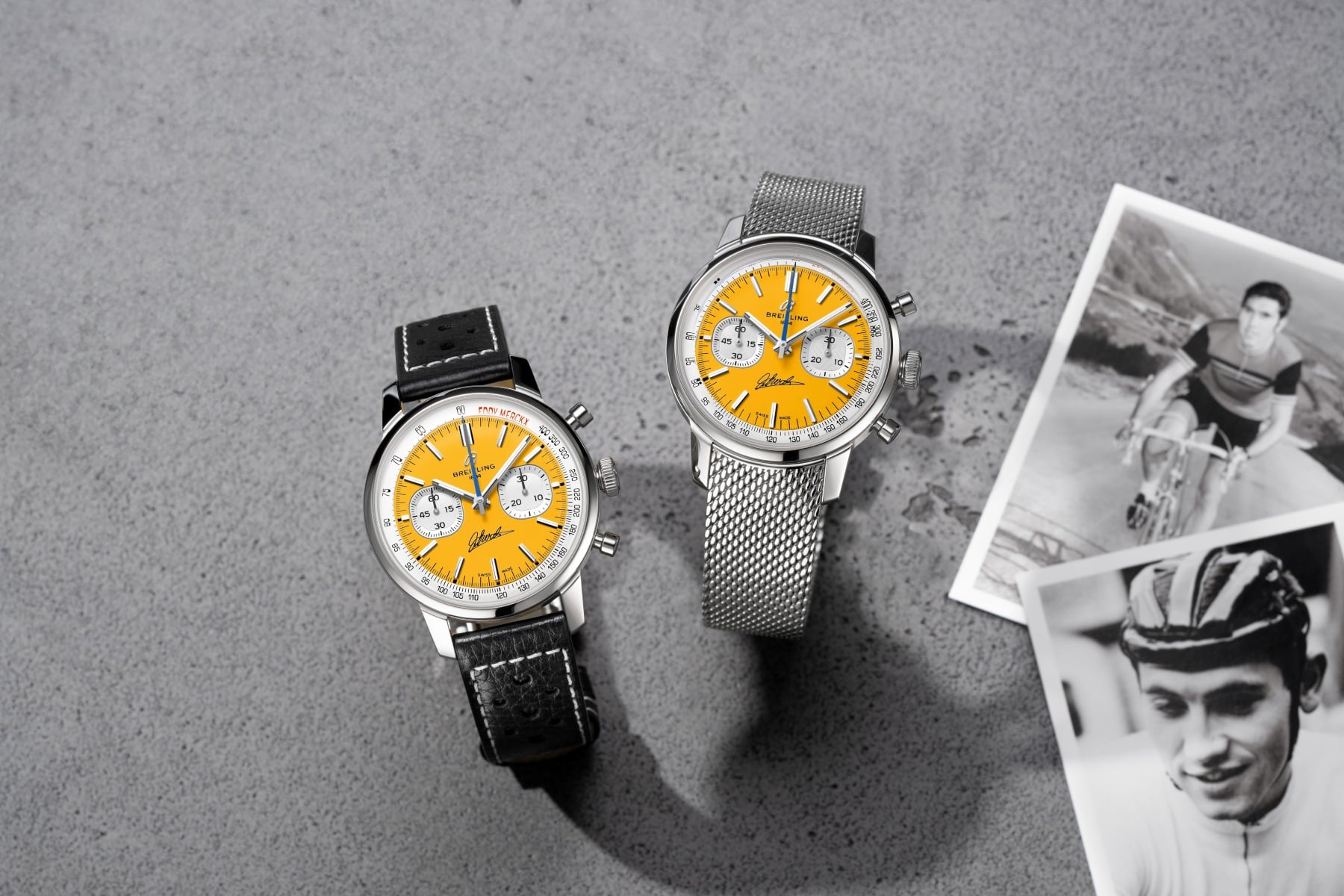
525 Victories, One Dial, and Cycling's Long Wait for a Wrist
Breitling's Eddy Merckx edition doesn't just reference a legend — it asks whether motorsport's younger sibling has finally earned its place in serious watch culture.
From the other desks.
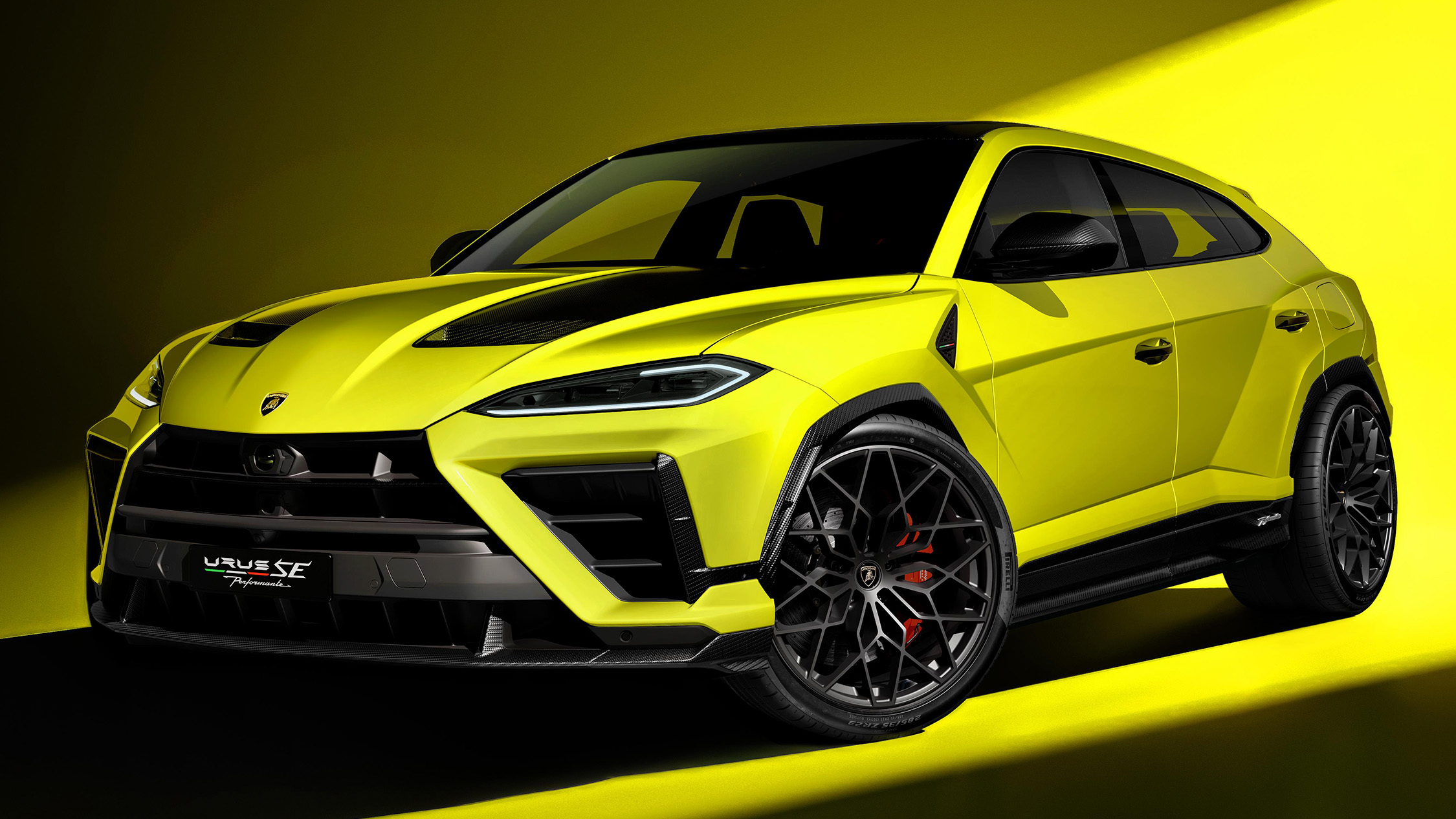
800 Horsepower, One Ton of Doubt
Lamborghini built the most powerful SUV it's ever made. It's also slower than what it replaced.
ESPN Named Him. Then Unnamed Him. Nobody's Explaining the Gap.
A retraction without a reckoning is just a deleted link.
Hide My Email Has Been Showing Your Email
Apple's privacy flagship has a hole in it. They've known for over a year.