When a Watch Show Needs a Map, It's Become Something Else
Watches & Wonders 2026 is 66 brands and a survival guide — and that tension tells you everything.

Photo · Oracle Time
The Show That Ate Geneva
Sixty-six brands. One roof. One week. At some point a trade show stops being a show and starts being a city.
Watches & Wonders 2026 is both. Oracle Time ran a piece this week with the CEO of the event, Matthieu Humair, talking about scale, ambition, the addition of Audemars Piguet, and what it all means. Then, almost in the same breath, the same outlet published a full navigation guide — not a highlights reel, a guide — covering W&W proper, Time to Watches, Chronopolis, and whatever else is happening in and around Geneva that week. Two pieces. Same publication. Same week. That pairing is the story.
You don't publish an orientation document for something people can just walk through. You publish one because the thing has grown past the point where instinct gets you anywhere.
Audemars Piguet is back under the Palexpo roof this year, which matters. AP has historically done its own thing — its own moment, its own rules. Bringing it back into the fold signals either that the event has become too gravitational to orbit, or that AP has decided the conversation happens here now and nowhere else. Either interpretation makes W&W look like it won.
What Winning Costs
Here's the thing about a 66-brand event: every brand is fighting the same enemy. Not each other. Attention.
In a room that size, the watch that deserves to be found often isn't. The Rolexes and Pateks anchor the floor because they always do — they're the reason half the room showed up. But the interesting work, the watch that would stop you cold if you stumbled onto it, gets swallowed. Scale is the enemy of discovery.
The guide format is an admission of this. When you need a curated itinerary just to make sure you don't miss something worth seeing, the event has officially outgrown the casual walk-around. That's fine for the industry insiders who live this. It's a different thing for anyone trying to connect with watches as objects rather than as assets.
This is the version of W&W that the watch press has decided to meet with enthusiasm, and I understand why. The access is unmatched. The news density is real. Sixty-six brands dropping new references in the same week creates a kind of gravitational pull that no other moment in the calendar can match.
But I keep coming back to what it felt like when this was smaller. When you could actually stand at a booth and have a conversation without navigating foot traffic. When a surprising independent could hold its own against the maisons just by being in the same room.
That show still exists, technically. It's called Time to Watches, and Chronopolis, and the satellite events that live in Geneva's margins during the same week. The guide covers all of it. Which is generous. But it also confirms the hierarchy — W&W is the main event, and everything else is context.
Sixty-six brands means the show won. The guide means nobody's sure what to do with the victory.
Keep reading fashion.

Gold Leaf on a Lacquer Dial, and the Weight of What That Costs
Awake's Frosted Leaf Royal Blue asks a question Vietnamese craft has never quite had to answer at this price.
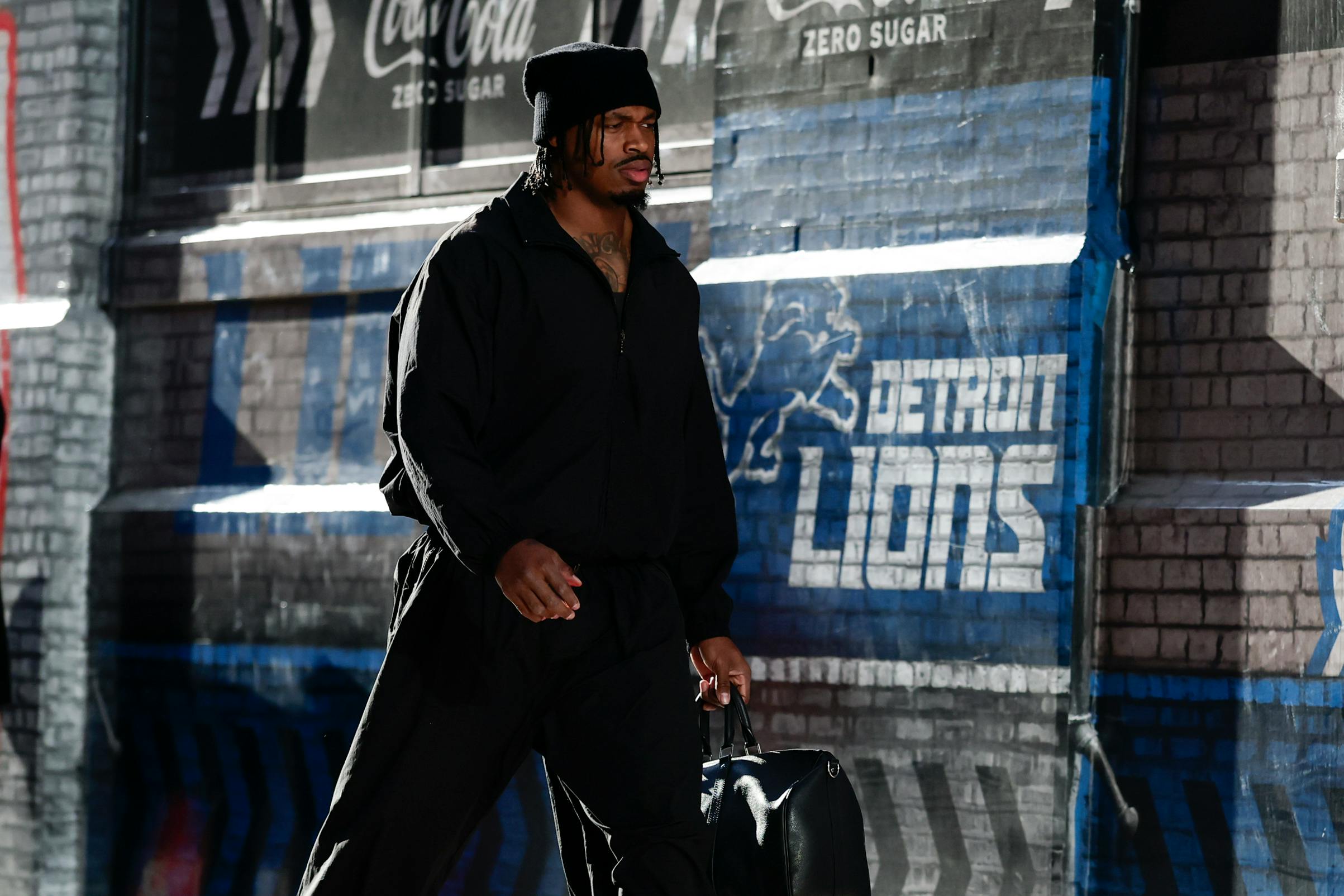
Kyle Smith Has a Job Title That Didn't Exist Before. That's the Whole Tell.
When the NFL hires a fashion editor, it's not about clothes — it's about who gets to decide what matters.
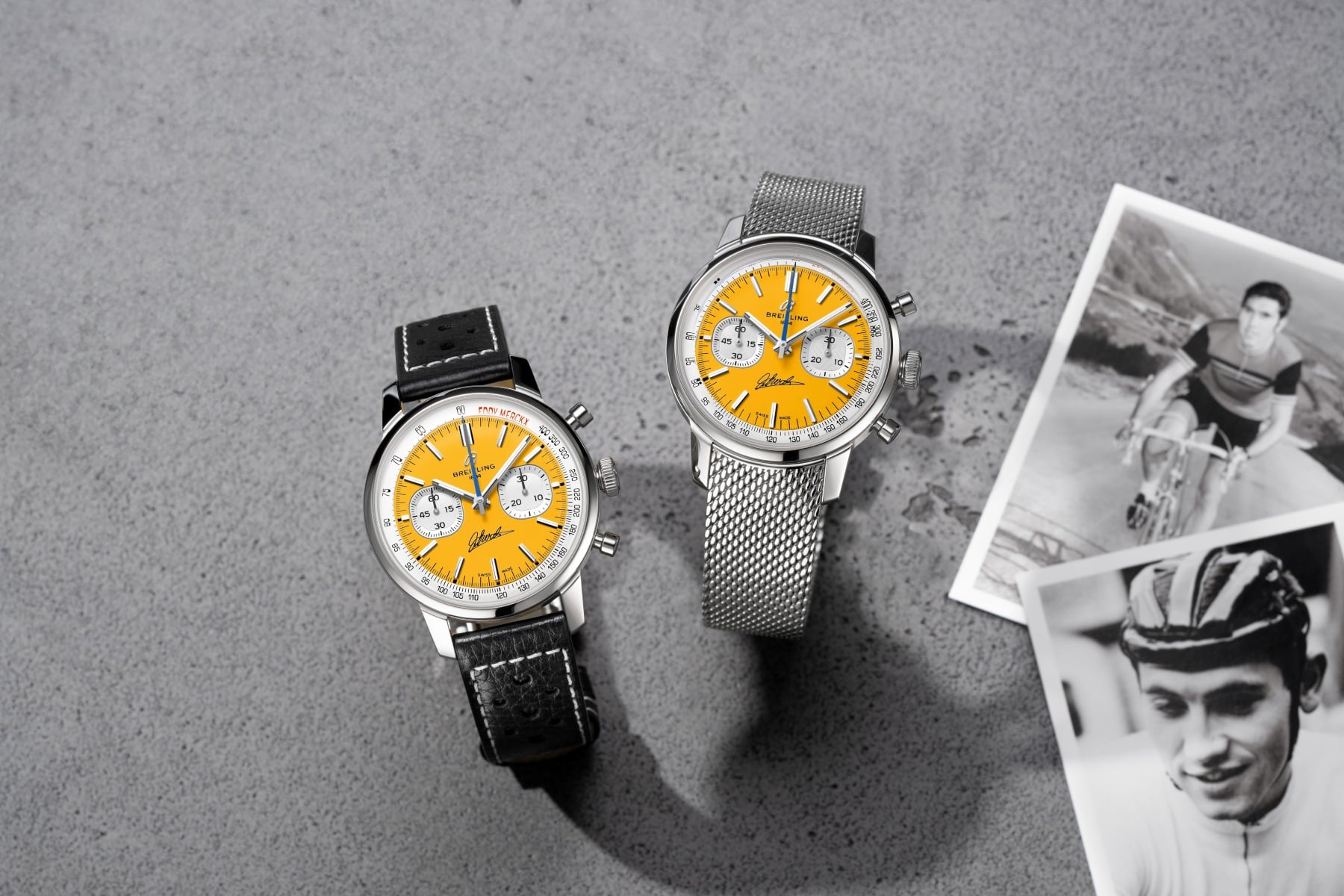
525 Victories, One Dial, and Cycling's Long Wait for a Wrist
Breitling's Eddy Merckx edition doesn't just reference a legend — it asks whether motorsport's younger sibling has finally earned its place in serious watch culture.
From the other desks.

800 Horsepower, One Ton of Doubt
Lamborghini built the most powerful SUV it's ever made. It's also slower than what it replaced.

ESPN Named Him. Then Unnamed Him. Nobody's Explaining the Gap.
A retraction without a reckoning is just a deleted link.

Hide My Email Has Been Showing Your Email
Apple's privacy flagship has a hole in it. They've known for over a year.