Zenith Didn't Restore the A384. It Confessed to It.
A sun-tanned dial isn't a design choice — it's an admission that the original was always enough.
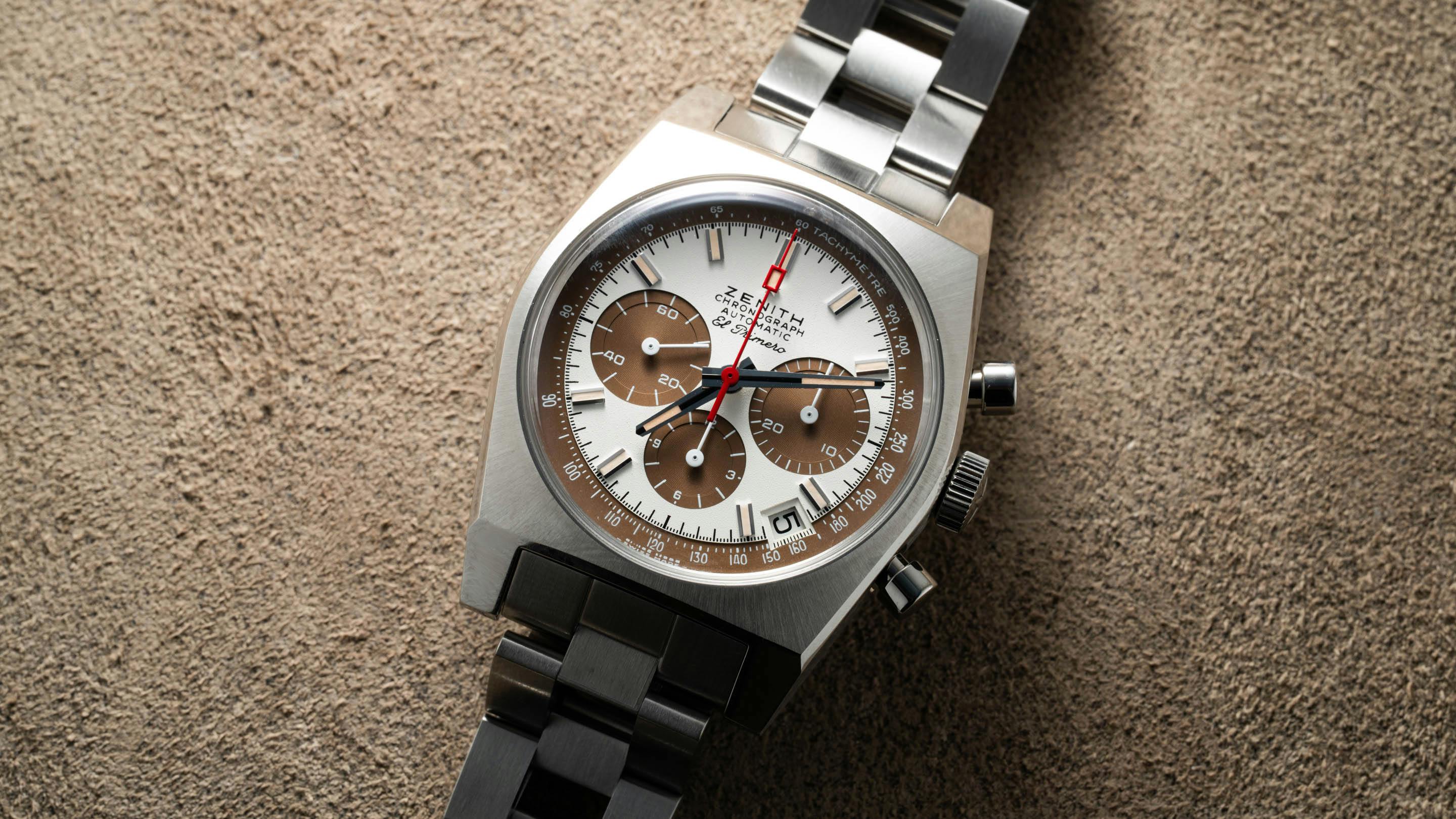
Photo · Hodinkee
There's a certain kind of watch release that doesn't ask you to be impressed by what's new. It asks you to be impressed by how little has changed. The Zenith Chronomaster Revival A384 Tropical is that watch, and the coverage around it — from Hodinkee to Monochrome to Time+Tide — reads less like a product launch and more like a collective exhale.
What Zenith has done here is reproduce, as faithfully as the market will allow, the look of an original A384 dial that has spent decades slowly browning in the sun. The tropical dial — that warm, tanned patina that vintage collectors have chased and paid dearly for — is now intentional. Now designed in. And somehow, that shift from accident to intent is the most interesting thing about this watch.
The Year That Keeps Coming Back
Monochrome anchors the piece in 1969, noting it as the year Zenith unveiled the El Primero — described as the world's first automatic, integrated chronograph calibre, and a high-frequency one. That detail matters because it's the foundation everything else leans on. The A384 isn't trading on nostalgia alone. It's trading on a specific, documented technical achievement. The reverence in the coverage isn't manufactured — it's earned by what the movement actually did when it arrived.
But here's what the sources, taken together, quietly reveal: the credibility of this release isn't really about the El Primero anymore. It's about the dial. Specifically, what happens to a dial when nobody touches it for fifty years.
Hodinkee and Time+Tide both zero in on the tropical overlay and the ladder dial — that distinctive graduated texture that made original A384s immediately recognizable. Time+Tide called it an instant classic. That's not a throwaway phrase from a site that uses it casually. It's a signal that the watch community has already processed this one and reached a verdict before the ink dried.
What Permission Looks Like
The meta-story across all three pieces is this: watch culture has fully, formally granted permission to wear the past exactly as it was. Not approximated. Not modernized. Not reinterpreted with a twist. The tropical dial is the purest expression of that permission — it's a dial that says the original was so good that even its aging was worth copying.
There's something almost disarming about that. Most industries sprint toward what's next. Watch collecting, at its most serious, has always had a complicated relationship with time — but we're now at a point where a brand's most compelling move is to say: we made something in 1969 that we cannot improve upon, so here it is again, warm edges and all.
That's not a failure of imagination. That's confidence with nowhere left to hide.
The watch press has been covering revival and reissue pieces for years, and the coverage has ranged from enthusiastic to skeptical. What's different here — and what all three sources seem to agree on without quite saying it directly — is that the A384 Tropical doesn't feel like a brand mining its archive out of creative exhaustion. It feels like a brand that finally had the nerve to admit what collectors already knew: the sun did a better job on those dials than any designer could.
Authenticity, in 2025, isn't something you build. It's something you stop trying to improve.
Keep reading fashion.

Gold Leaf on a Lacquer Dial, and the Weight of What That Costs
Awake's Frosted Leaf Royal Blue asks a question Vietnamese craft has never quite had to answer at this price.

Kyle Smith Has a Job Title That Didn't Exist Before. That's the Whole Tell.
When the NFL hires a fashion editor, it's not about clothes — it's about who gets to decide what matters.
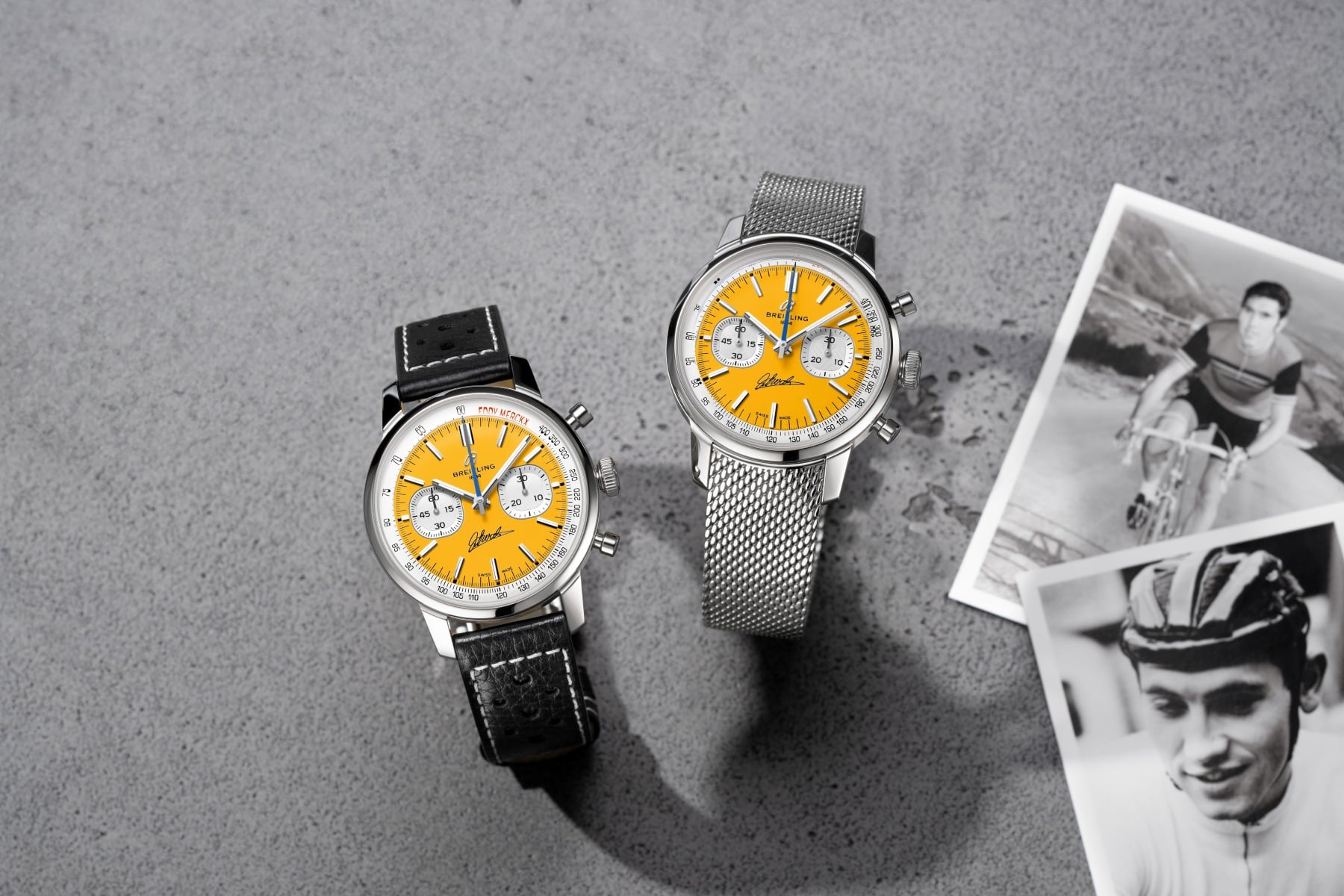
525 Victories, One Dial, and Cycling's Long Wait for a Wrist
Breitling's Eddy Merckx edition doesn't just reference a legend — it asks whether motorsport's younger sibling has finally earned its place in serious watch culture.
From the other desks.

800 Horsepower, One Ton of Doubt
Lamborghini built the most powerful SUV it's ever made. It's also slower than what it replaced.

ESPN Named Him. Then Unnamed Him. Nobody's Explaining the Gap.
A retraction without a reckoning is just a deleted link.

Hide My Email Has Been Showing Your Email
Apple's privacy flagship has a hole in it. They've known for over a year.