Angel Reese Ran the Math. Silence Won.
Fines are a cost of doing business. So is the media. She picked which one to pay.
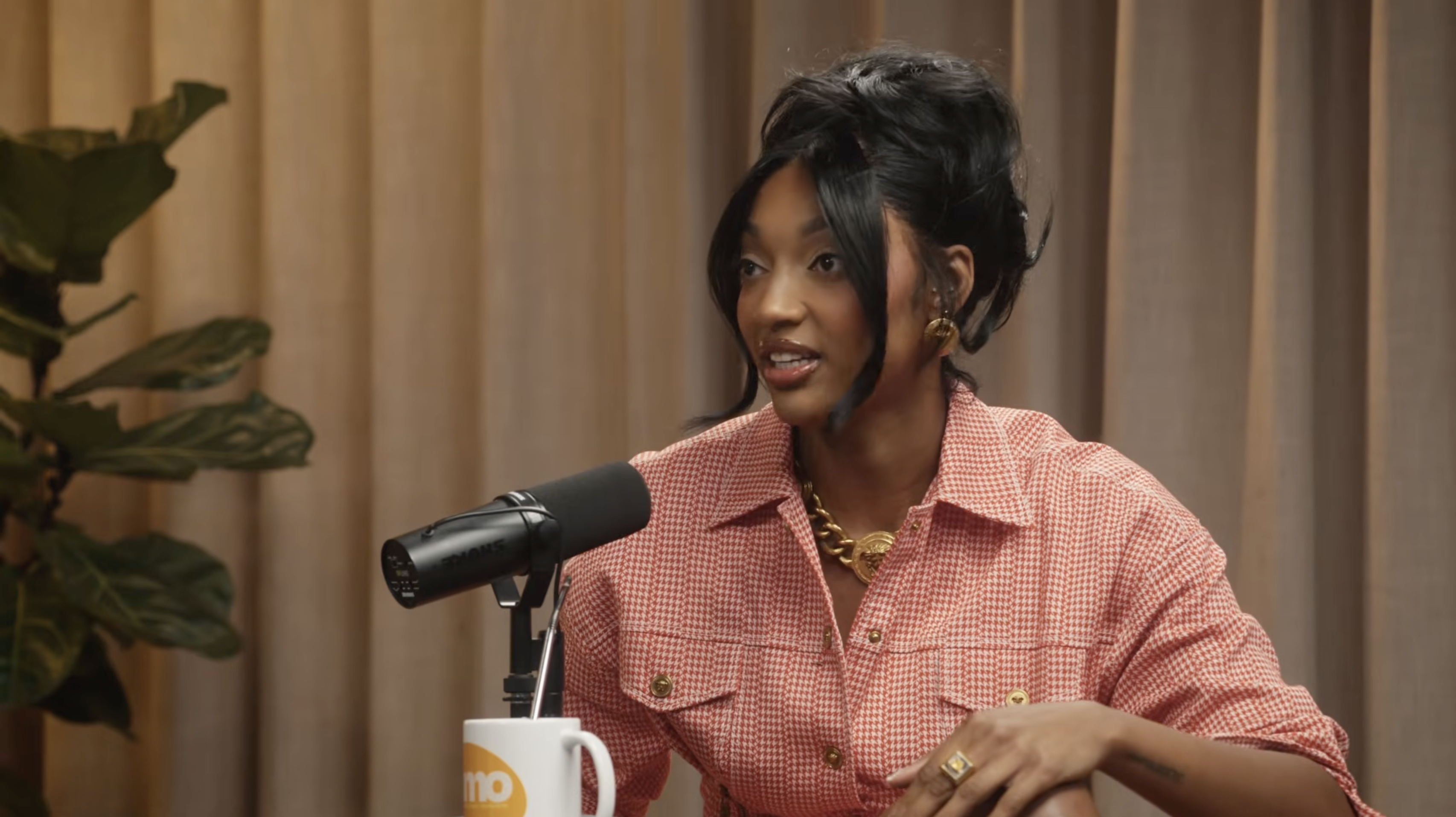
Photo · Awful Announcing
There's a version of this story where Angel Reese is the problem. She won't talk to reporters. She'll absorb the fines. She's being difficult.
That version is wrong.
What She Actually Said
Reese — the seventh overall pick in the 2024 WNBA Draft, recently traded from the Chicago Sky to the Atlanta Dream — has made her intentions clear heading into 2026: she plans to skip mandatory media availability and accept whatever fines come with it. Both Awful Announcing and Men's Journal have covered the declaration, and both frame it as something worth flagging. What neither quite sits with is what the math actually says.
If you can afford the fine, the fine is a price. And if the alternative — talking to cameras that have spent two years looking for a slip, a sound bite, a moment to clip out of context — costs you more than the fine does, then the fine is a bargain. Reese didn't stumble into this position. She calculated it.
That's not defiance for its own sake. That's leverage, wielded quietly.
The Machine She's Opting Out Of
Her tenure in Chicago was not quiet. She was critical of the team's roster. There were headlines. There was noise. The trade to Atlanta was described as blockbuster. All of it — every quote, every reaction, every press conference answer — fed a cycle that rarely gave back what it took.
The WNBA's media obligations exist for real reasons. Visibility matters for a league still fighting for the mainstream attention it deserves. Players talking to press is part of how that fight gets won. None of that is wrong.
But it also assumes the press is a neutral surface. It isn't. And Reese, more than most, knows what happens when a certain kind of attention decides it has found its subject. The coverage of her career has not always been about basketball. It has been about her — her personality, her confidence, her willingness to take up space. That coverage has been exhausting in ways that don't show up in any box score.
So she's drawing a line. She's saying: I will play. I will compete. I will make my impact on the Atlanta Dream on the floor, where I control the outcome. What I will not do is hand you more material to mishandle.
That's a rational decision made by someone who has run the numbers on what openness has cost her.
What This Signals
The more interesting story here isn't Angel Reese specifically. It's that a player is publicly pre-announcing a media boycott, treating the fine schedule as a known variable in a plan she's already committed to. That's new. That's a player who has looked at the infrastructure of athlete-media relations and decided it doesn't serve her — and said so out loud, before the season even starts.
That kind of transparency about the calculation is almost more disruptive than the boycott itself. She's not sneaking out the back. She's telling you exactly which door she's walking out of and why.
Leagues and media organizations are built on the assumption that access is something athletes want — that visibility is reward enough to keep players at the podium. Reese is testing that assumption in real time. And she's doing it in a city, on a team, in a moment where the story she tells on the court may outrun anything she could have said into a microphone.
Fines have a dollar amount. Silence, when you choose it, is free.
Keep reading sports.

ESPN Named Him. Then Unnamed Him. Nobody's Explaining the Gap.
A retraction without a reckoning is just a deleted link.

Three People Died Celebrating. FIFA Hasn't Said Their Names.
Mexico City buried three people after the World Cup crowds came through. At some point, the sport has to sit with that.

Sell the Stadium, Lose the Room
NFL franchises are rolling out the welcome mat for World Cup tourists — and the desperation is showing.
From the other desks.

800 Horsepower, One Ton of Doubt
Lamborghini built the most powerful SUV it's ever made. It's also slower than what it replaced.

Gold Leaf on a Lacquer Dial, and the Weight of What That Costs
Awake's Frosted Leaf Royal Blue asks a question Vietnamese craft has never quite had to answer at this price.

Hide My Email Has Been Showing Your Email
Apple's privacy flagship has a hole in it. They've known for over a year.