Comcast Looked at NBC and Blinked
When a cable giant decides its crown jewel is actually a liability, broadcast sports has to reckon with what that means.
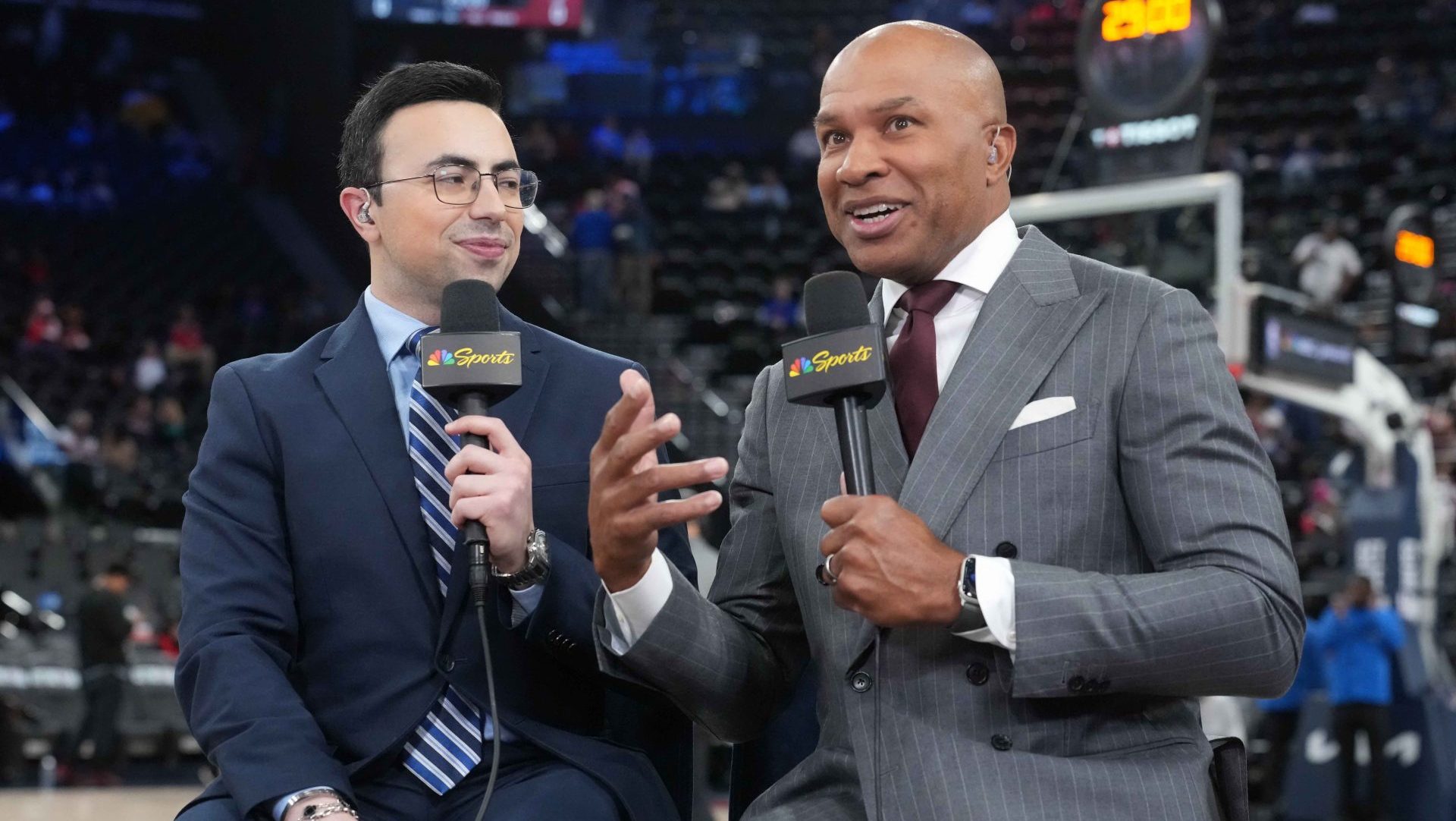
Photo · Front Office Sports
Fifteen years is a long time to change your mind.
Comcast spent roughly that long building NBCUniversal into something — sports rights, news divisions, entertainment franchises, the whole architecture of legacy media. And then, on a Monday morning, they issued a statement saying they were done holding it. A spinoff. Separation expected within approximately one year. According to Sportico, the Philadelphia-based cable company wants its core connectivity business on one side and its media and entertainment assets on the other, with a wall between them.
Front Office Sports noted the detail that makes this sting: five months ago, the position was entirely different. This isn't a company executing a long-planned strategic pivot. This is a reversal. Someone looked at the math again and came to a different conclusion.
The Admission Nobody Wanted to Say Out Loud
Here's what a spinoff announcement actually is, stripped of the corporate language: it's one part of a company telling the other part that it's on its own now. The connectivity side — the cables, the pipes, the infrastructure — apparently decided that carrying media on its books had become a drag rather than an advantage. That's the subtext underneath every phrase like "unlock value" or "strategic focus." The translation is simpler. The bundle stopped making sense.
For sports media, that's a meaningful signal. NBC carries NFL games. NBC carries the Olympics. NBC carries the Premier League. These aren't small rights deals — they're the kind of contracts that define a network's identity and justify its existence to affiliates, advertisers, and audiences. And the company that owns all of it just decided it needed to be a separate business to survive.
You can read that two ways. Optimistically: a standalone SpinCo, freed from the weight of a cable parent trying to manage declining subscribers, might be more nimble, more focused, better positioned to chase streaming. Realistically: it's also a business being set loose at a moment when the traditional broadcast model is under sustained pressure from every direction.
What the Sports Rights Market Just Heard
Rights holders negotiate with networks based on assumptions about stability — about who will still be at the table in five years, who has the distribution to deliver the audience, who has the cash to compete when the next deal comes up. A spinoff doesn't automatically answer any of those questions badly. But it does reopen them.
The leagues that have deals with NBC will be watching how this separation gets structured. A standalone media company, depending on how it's capitalized and what debt it carries out of the divorce, may look like a different counterparty than the one that signed the original agreements. That's not speculation — that's how rights negotiations work. The balance sheet matters as much as the brand.
And there's a broader pattern here that one announcement doesn't make but does accelerate. Legacy broadcast and cable have been quietly losing the argument for years — losing subscribers, losing younger viewers, losing the cultural centrality that made a Super Bowl on NBC or an Olympics on NBC feel like the only place the country was going to watch. Streaming has fractured that. And now one of the most prominent players in that old model is essentially admitting that the old model and the new one need to be in different rooms.
The question isn't whether NBCUniversal survives the spinoff. Probably it does, in some form, under some name, chasing some version of relevance it can still credibly claim. The question is what kind of partner it becomes for the sports properties that still need broadcast reach to justify their rights fees — and what happens to those fees when the reach keeps narrowing.
Comcast blinked. The leagues are still at the table. But the table just got smaller.
Keep reading sports.

ESPN Named Him. Then Unnamed Him. Nobody's Explaining the Gap.
A retraction without a reckoning is just a deleted link.

Three People Died Celebrating. FIFA Hasn't Said Their Names.
Mexico City buried three people after the World Cup crowds came through. At some point, the sport has to sit with that.

Sell the Stadium, Lose the Room
NFL franchises are rolling out the welcome mat for World Cup tourists — and the desperation is showing.
From the other desks.

800 Horsepower, One Ton of Doubt
Lamborghini built the most powerful SUV it's ever made. It's also slower than what it replaced.

Gold Leaf on a Lacquer Dial, and the Weight of What That Costs
Awake's Frosted Leaf Royal Blue asks a question Vietnamese craft has never quite had to answer at this price.

Hide My Email Has Been Showing Your Email
Apple's privacy flagship has a hole in it. They've known for over a year.