Ferrari Hand-Picked Its First EV Buyers. One of Them Said No.
The Luce arrived with all the ceremony Ferrari could manufacture — and at least one collector wanted none of it.
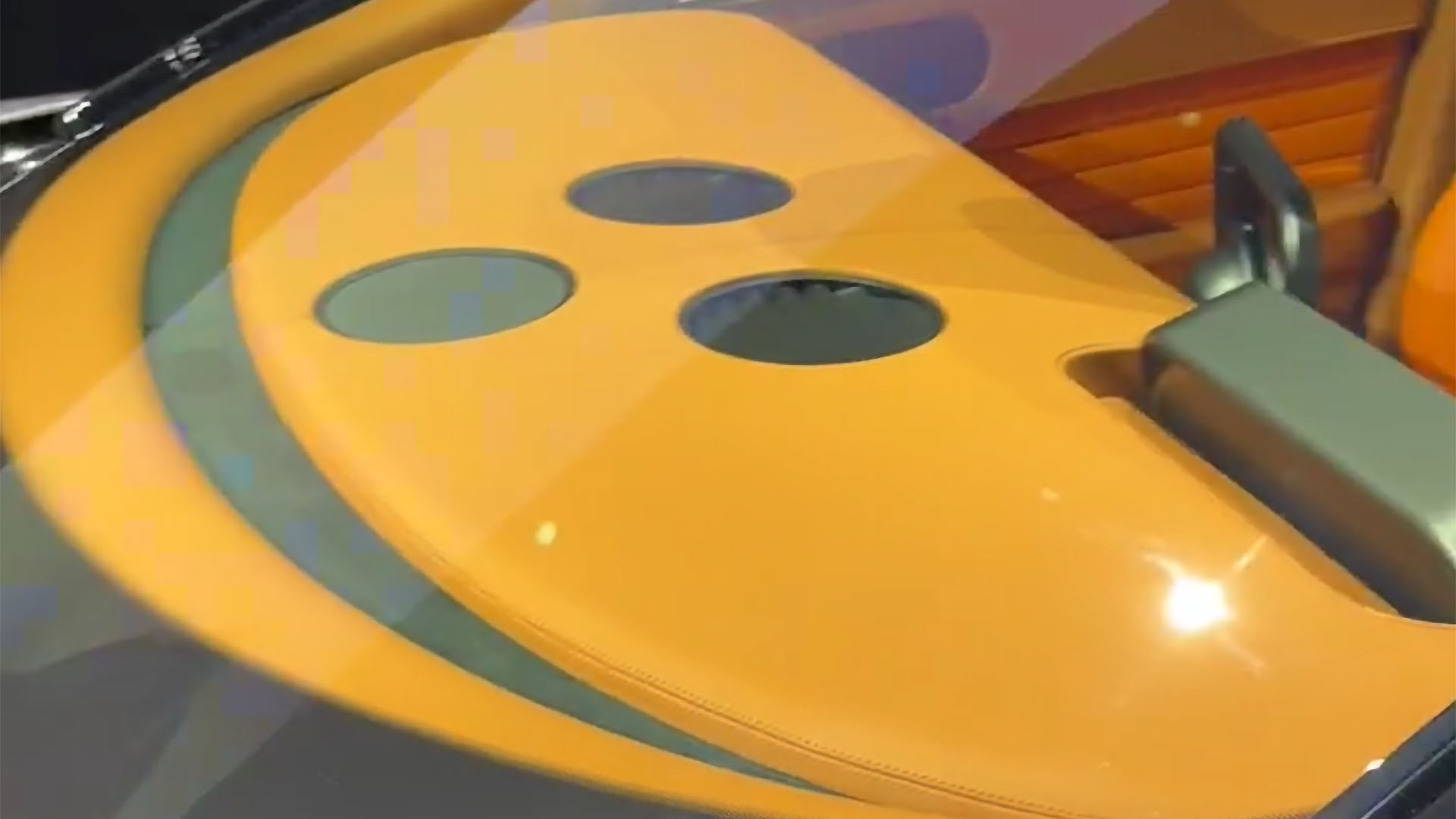
Photo · The Drive
There's a version of this story where Ferrari's first EV is simply a triumph of engineering over sentiment. The car exists. It has a name. It has buyers. Move on.
That version doesn't hold.
The Ceremony Fell Flat
Ferrari isn't selling the Luce the way other manufacturers sell cars. According to Carscoops, the brand has been hand-selecting owners — reaching out directly, through consultants, with a curated pitch. The implication is flattery: you were chosen. You are worthy of this machine.
At least one collector received that email. His reply, which leaked, was apparently not what Ferrari's team had in mind. He didn't want the car. He wasn't interested. And he said so in terms that Carscoops describes as brutal — not rude, exactly, but the kind of direct that lands harder than anger. A door closed from the inside.
That single response matters more than it should. Ferrari built its mythology on scarcity and desire — the idea that the car wants you as much as you want it. When a collector who presumably has both the means and the standing to be selected pushes the pitch back across the table, the mythology takes the hit, not the collector. You can survive rejection from people who can't afford the thing. It's harder when someone who could afford it simply doesn't want it.
What's Actually on That Dashboard
Meanwhile, The Drive found something that's harder to rationalize: a giant smiley face on the Luce's dashboard.
Not a subtle design element. Not an abstract form that could read several ways depending on your mood. A smiley face — sitting in a car whose brand has spent decades insisting it makes the most serious driving machines on the planet.
The Drive's framing is telling. They went looking at the details, found the smiley face, and apparently kept finding more things worth questioning the further they looked. That's the kind of design audit that only happens when something already feels slightly off. Nobody goes hunting for oddities in a car that reads as fully coherent.
There's a generous interpretation: Ferrari is signaling levity, playfulness, a willingness to let the EV be something other than a funeral march for combustion. Fine. But there's a less generous one — that a design detail this conspicuous passed through rooms full of people who either didn't notice or didn't feel empowered to say anything. Neither reading is flattering.
The Actual Problem
Take these two stories together and what you have isn't a PR stumble or a design quirk. What you have is a credibility gap opening up in real time.
Ferrari's entire value proposition — the thing that justifies the price, the waitlists, the hand-selection process — is that the brand knows exactly what it is and executes on that knowledge without compromise. The collector who rejected the sales pitch was, in his way, testing that proposition. The smiley face suggests the answer might be more complicated than Ferrari would like.
Electrification forces every legacy performance brand to answer a version of the same question: what survives the transition? For some brands, the answer is relatively clean — the performance numbers still work, the identity holds. Ferrari's answer has always been more tangled, because Ferrari doesn't just sell speed. It sells a specific feeling about what speed means, where it comes from, what kind of person it belongs to.
A collector who doesn't want the car, and a dashboard detail that makes reviewers stop and look twice — those aren't crises. But they're the kind of early signals worth paying attention to, because the brands that ignored them rarely thanked themselves later.
Ferrari chose its buyers carefully. At least one of them chose back.
Keep reading cars.

800 Horsepower, One Ton of Doubt
Lamborghini built the most powerful SUV it's ever made. It's also slower than what it replaced.

£11,990 Draws a Line Under Every Excuse You Had Left
Dacia just made the cheapest new car in Britain electric — and that's not a footnote, it's a verdict.
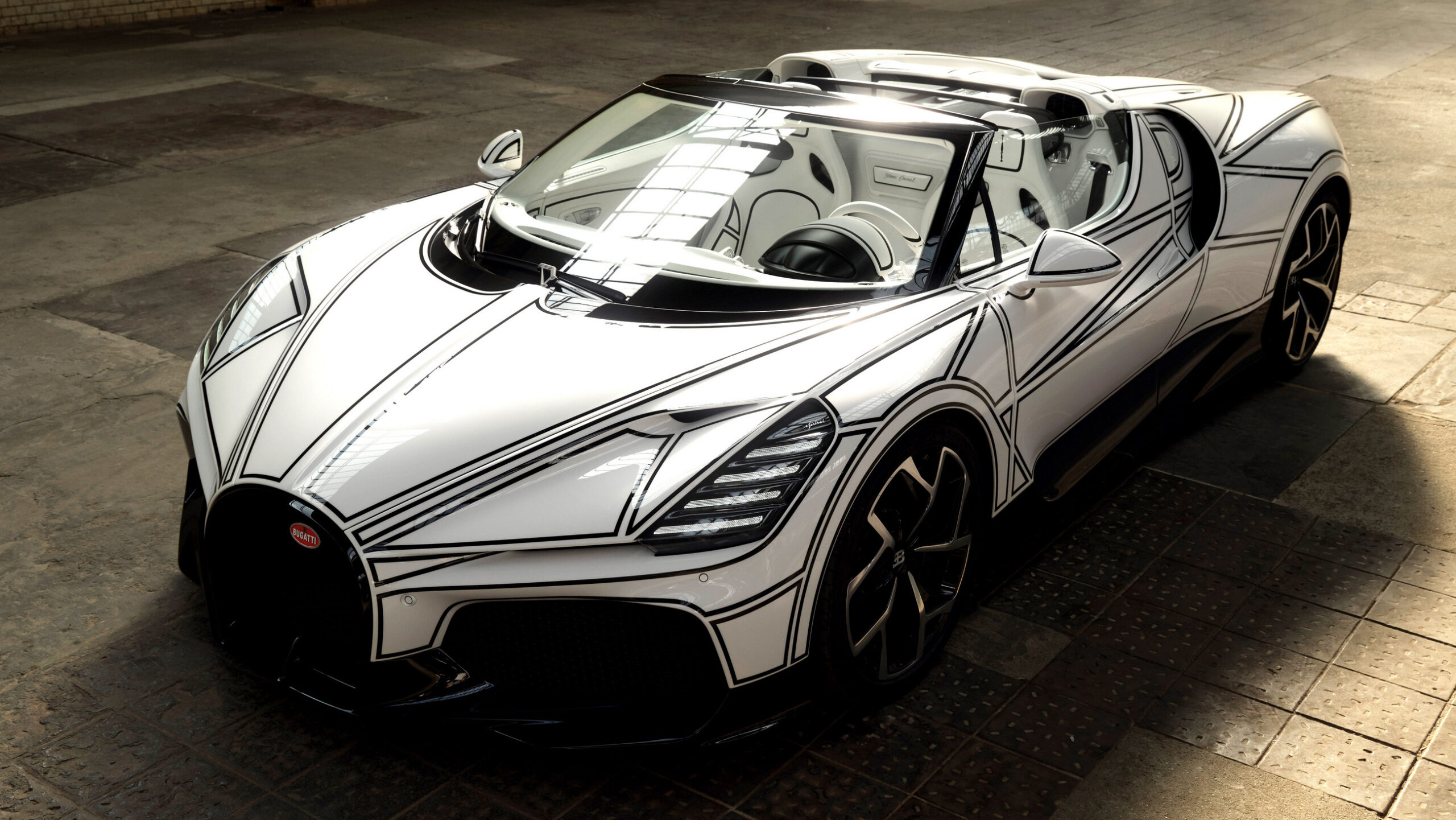
Blanc Éternel Hides Its Speed Behind a Gas Cap
Bugatti built a 261-mph roadster and made sure you'd notice the porcelain first.
From the other desks.

Gold Leaf on a Lacquer Dial, and the Weight of What That Costs
Awake's Frosted Leaf Royal Blue asks a question Vietnamese craft has never quite had to answer at this price.

ESPN Named Him. Then Unnamed Him. Nobody's Explaining the Gap.
A retraction without a reckoning is just a deleted link.

Hide My Email Has Been Showing Your Email
Apple's privacy flagship has a hole in it. They've known for over a year.