Damon Jones Knew Who Wasn't Playing. That Was Enough.
The first guilty plea in the NBA's federal gambling case has a name attached to it — and a lot more names still waiting.
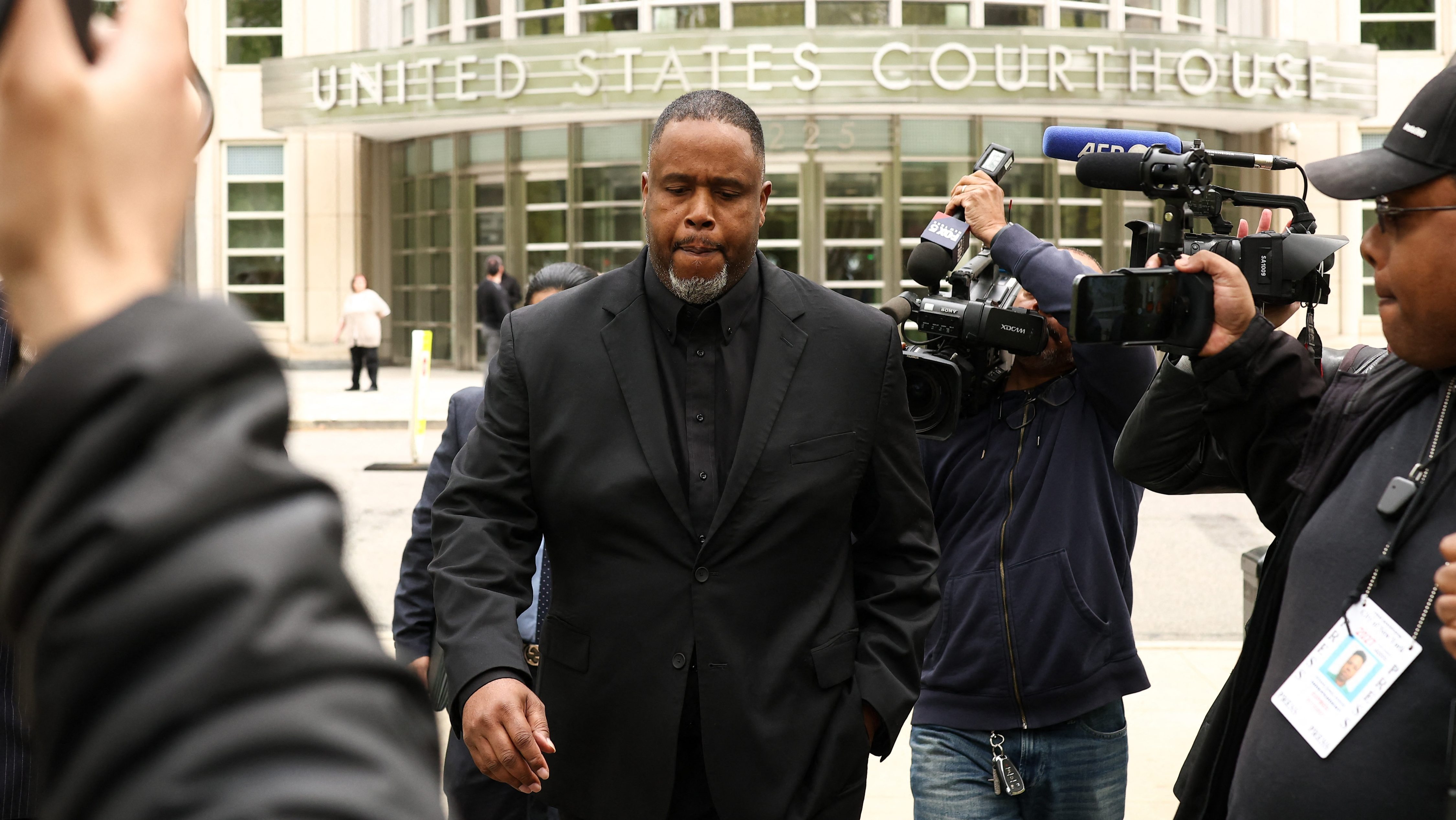
Photo · Defector
There's a particular kind of knowledge that exists inside professional sports — the kind that never makes the injury report on time, that travels through locker rooms and training facilities before it reaches anyone with a bet to place. For years, people have understood that this knowledge exists. What nobody wanted to test was whether it was illegal to use it.
Now they know.
What He Pleaded To
Damon Jones — former NBA player, former assistant coach, shooting coach to LeBron James, unofficial presence in the Los Angeles Lakers organization — stood in a federal courthouse in New York City this week and pleaded guilty to two counts of conspiracy to commit wire fraud. According to Sportico, the charges stem from a scheme built around non-public information about player injuries, used to profit from illegal bets. The Defector reported that one count involved placing bets with online sportsbooks using inside knowledge about which players weren't going to suit up. The second count involved something almost more brazen: helping funnel uninformed money into rigged poker games.
Two counts. Two entirely different ways of exploiting access. One plea.
Jones is the first person to plead guilty in what has become a sprawling federal gambling investigation touching multiple former NBA players. One day before his plea, prosecutors announced plans to file additional charges against former Miami Heat guard Terry Rozier — charges connected, per an attorney quoted by The Athletic as cited in the Defector piece, to allegations that Rozier "solicited and accepted a bribe."
The case is widening. The plea is a signal.
Why This One Matters
Guilty pleas in federal cases don't happen in isolation. They happen because someone calculated that cooperation was worth more than resistance — and prosecutors don't typically accept a plea from the first domino without expecting the rest to fall. Sportico noted directly that Jones's plea is likely to impact other NBA gambling cases. That's careful legal language for: someone is talking, and what they say will matter.
The injury information angle is what makes this feel genuinely different from the usual sports gambling story. This wasn't someone betting recklessly on games they had a vague rooting interest in. This was a system — access converted into information, information converted into money, and money extracted from sportsbooks and poker tables that didn't know they were already on the losing side of every transaction.
Every team has people who know things. Coaches, assistants, trainers, advisors, unofficial presences in facilities whose exact job titles are never quite clear. Some of those people are now paying very close attention to a federal courthouse in New York.
The scheme worked until someone talked. That's almost always how these end — not with a dramatic catch, but with a conversation that someone decided to have.
Keep reading sports.

ESPN Named Him. Then Unnamed Him. Nobody's Explaining the Gap.
A retraction without a reckoning is just a deleted link.

Three People Died Celebrating. FIFA Hasn't Said Their Names.
Mexico City buried three people after the World Cup crowds came through. At some point, the sport has to sit with that.

Sell the Stadium, Lose the Room
NFL franchises are rolling out the welcome mat for World Cup tourists — and the desperation is showing.
From the other desks.

800 Horsepower, One Ton of Doubt
Lamborghini built the most powerful SUV it's ever made. It's also slower than what it replaced.

Gold Leaf on a Lacquer Dial, and the Weight of What That Costs
Awake's Frosted Leaf Royal Blue asks a question Vietnamese craft has never quite had to answer at this price.

Hide My Email Has Been Showing Your Email
Apple's privacy flagship has a hole in it. They've known for over a year.