Dave Checketts Called His Shot Wrong. That Deserves More Respect Than a Victory Lap.
Founding Real Salt Lake and calling it his worst investment isn't a confession — it's a more honest sports business autobiography than most executives ever write.
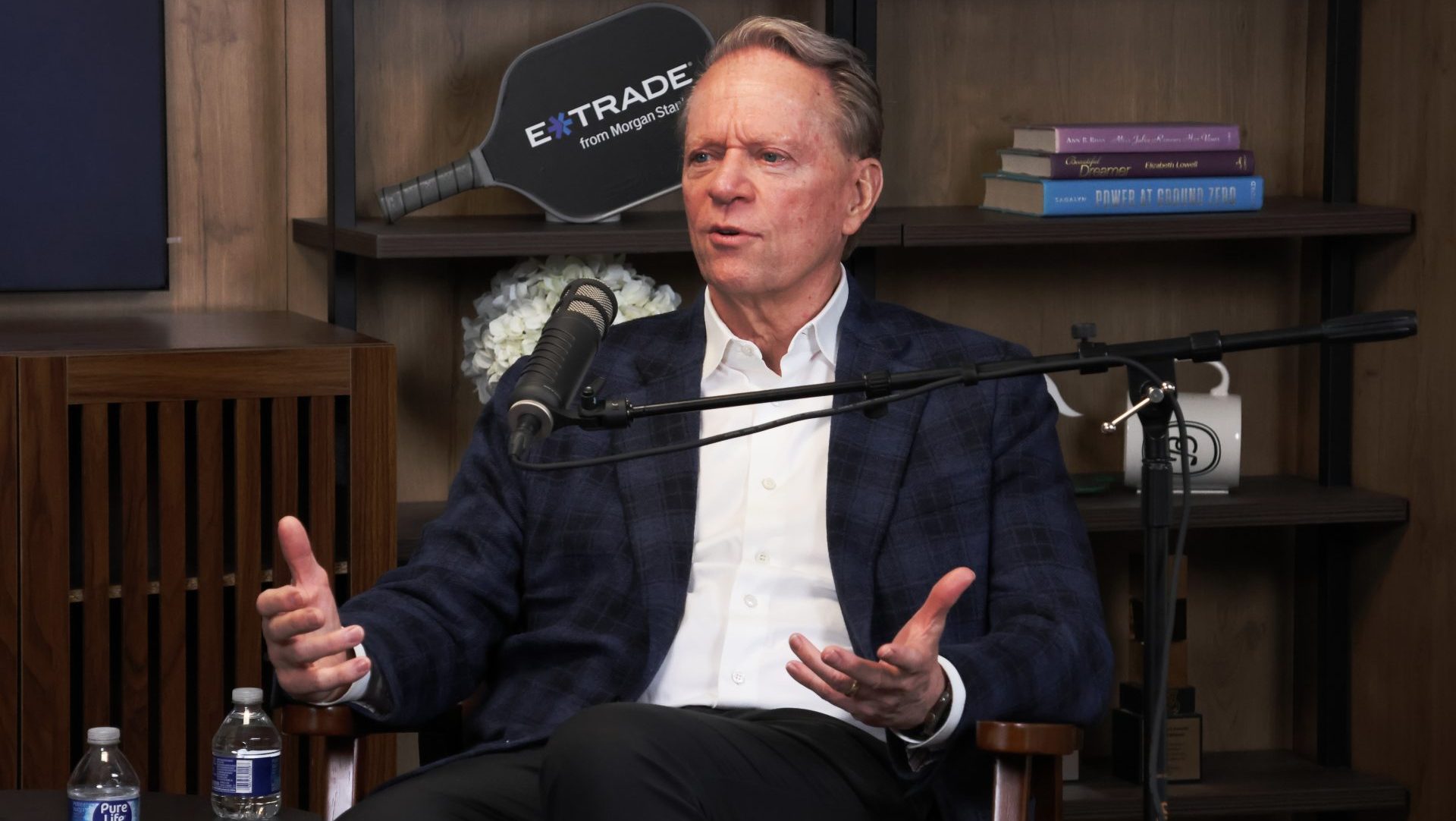
Photo · Front Office Sports
There's a version of this story where Dave Checketts is celebrated. He cofounded Real Salt Lake in 2005, sold it in 2013, and walked away from a league that has since grown into something he probably didn't fully believe it would become. A writer at Front Office Sports recently surfaced Checketts calling that founding his worst investment — and that framing is worth sitting with, because it's rarer than it sounds.
Most men who build things and sell them don't say that out loud.
The Bet Underneath the Investment
In 2005, MLS was not what it is now. That's not revisionism — it's geography. The league was still assembling its credibility, still auditioning for a permanent place in the American sports consciousness, still trying to convince a country that it could sustain professional soccer the way other markets had. Checketts got in during that period. He was not late to a sure thing. He was early to an uncertain one.
That distinction matters enormously and almost never gets made in sports business retrospectives, where the narrative arc always bends toward the visionary — the person who saw what others couldn't, who held on, who reaped the reward. Checketts sold in 2013. Whatever Real Salt Lake became after that, he didn't benefit from it the way a holder would have.
So calling it his worst investment is probably arithmetically correct. And saying so publicly is the kind of honesty that usually gets edited out of executive memoirs somewhere between the first draft and the publicist's notes.
What Candor Costs
Here's what the Front Office Sports piece quietly illuminates without quite saying it: the risk of founding a sports franchise in an adolescent league is almost perfectly designed to be invisible in hindsight. If the league succeeds, the early owners look prescient. If it fails, they disappear from the conversation entirely. Checketts lands in a third category — he was there at the founding, he sold before the upside fully materialized, and he's honest enough to name the outcome for what it was.
That's not a cautionary tale. It's a more accurate map of how these bets actually work.
Sports ownership narratives are almost always told backward, from the outcome to the decision, which makes every good outcome look inevitable and every bad one look like negligence. What Checketts is describing — getting in on something unproven, not getting the timing right on the exit or the entry or both, and absorbing the financial reality of that — is the actual texture of risk. It just doesn't fit the mythology.
The leagues that look obvious now were speculative then. Every franchise that exists in a sport that has since grown was founded by someone who was making a guess. Some of those guesses paid off for the people who made them. Some paid off for the people who came after. Checketts is saying, with unusual clarity, that his guess paid off for whoever bought what he built — and that he knows it.
That kind of self-assessment doesn't make him a cautionary tale. It makes him a reliable narrator in a sport where reliable narrators are scarce.
Most people in his position would find a way to make the story about vision. He made it about math. Respect that.
Keep reading sports.

ESPN Named Him. Then Unnamed Him. Nobody's Explaining the Gap.
A retraction without a reckoning is just a deleted link.

Three People Died Celebrating. FIFA Hasn't Said Their Names.
Mexico City buried three people after the World Cup crowds came through. At some point, the sport has to sit with that.

Sell the Stadium, Lose the Room
NFL franchises are rolling out the welcome mat for World Cup tourists — and the desperation is showing.
From the other desks.

800 Horsepower, One Ton of Doubt
Lamborghini built the most powerful SUV it's ever made. It's also slower than what it replaced.

Gold Leaf on a Lacquer Dial, and the Weight of What That Costs
Awake's Frosted Leaf Royal Blue asks a question Vietnamese craft has never quite had to answer at this price.

Hide My Email Has Been Showing Your Email
Apple's privacy flagship has a hole in it. They've known for over a year.