Five Billion Dollars Bought a Lot of Things. Respect Wasn't One of Them.
The PIF is reportedly walking away from LIV Golf — and the silence from the tour's own executives says everything.
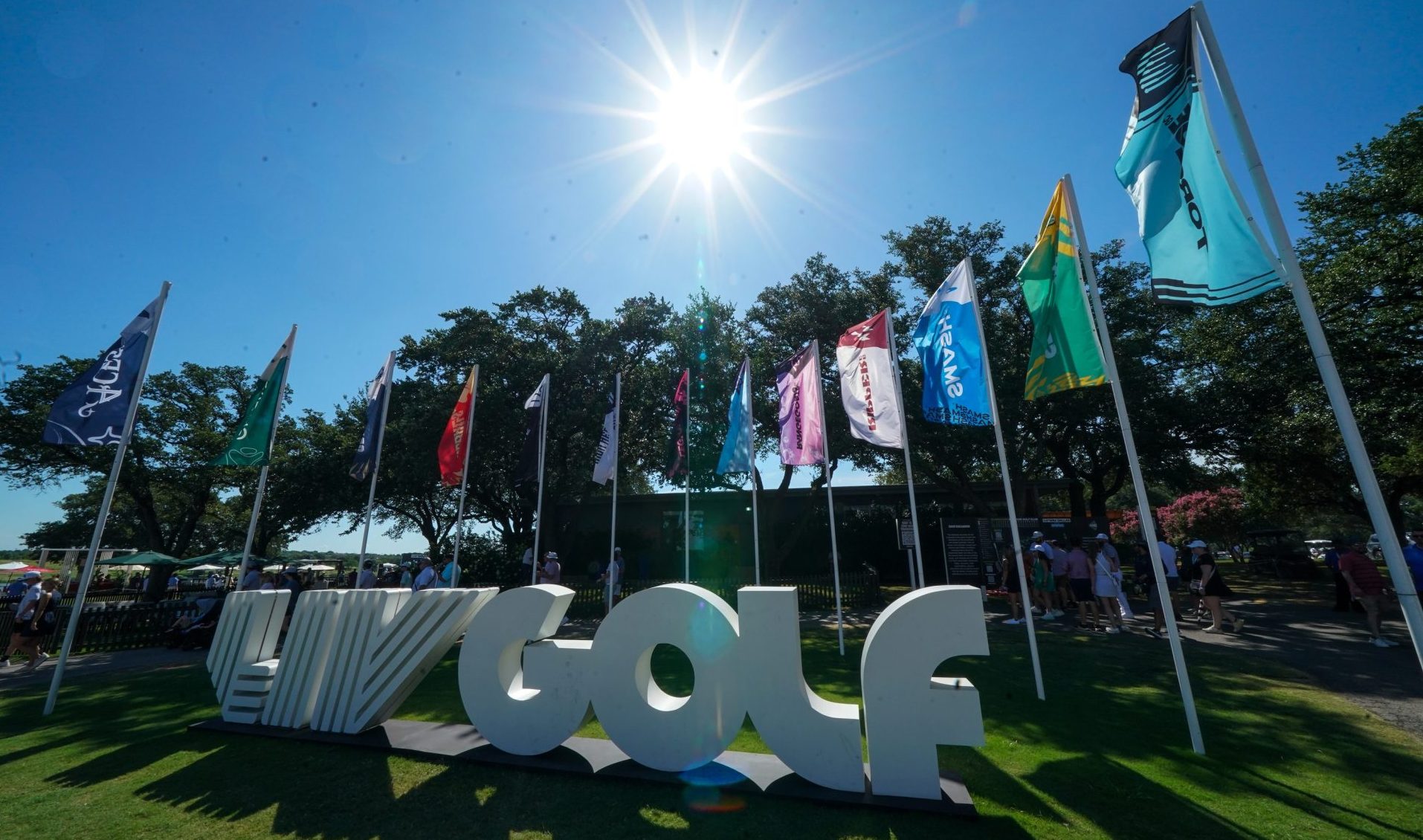
Photo · Front Office Sports
Four years. More than five billion dollars. And the most telling moment might be the one that happened in a hallway — LIV executives, according to The Guardian, arriving late to their own tour event in Mexico City because they'd been summoned to a meeting in New York first. Not a press conference. Not a statement. A meeting. The kind you get called to when someone is deciding whether to keep paying for something.
The answer, it seems, is that they might not be.
The Reckoning No One Wanted to Say Out Loud
Sportico reported that Saudi Arabia's Public Investment Fund is considering ending its financial backing of LIV Golf, though nothing has been finalized. Front Office Sports framed the PIF as close to pulling out entirely. CBS Sports captured the mood plainly: four years after a dramatic launch, the tour may be going out with a whimper. The Guardian added what might be the most clarifying detail — that the PIF's attention has shifted toward football and esports.
That last part is the real story.
When a sovereign wealth fund with essentially unlimited capital stops funding something, it's not because they ran out of money. It's because they ran a calculation, and the answer came back wrong. The PIF didn't lose five billion dollars by accident. They spent it on purpose — on players, on production, on the entire architecture of a rival tour — and what they got in return apparently wasn't enough. Not enough legitimacy. Not enough cultural traction. Not enough to justify the next billion, or the one after that.
So now they're looking at football. At esports. Arenas that want the attention, that will negotiate, that come with built-in audiences who haven't already decided how they feel about you.
Golf, as it turns out, is a sport with a long memory and a very short tolerance for being told it needs saving.
What Money Can't Fix
The uncomfortable truth that runs through all four of these reports is that LIV's problem was never financial. The money was always there. What wasn't there — what five billion dollars couldn't manufacture — was the sense that any of this mattered. The PGA Tour kept existing. The majors kept being the majors. The players who signed with LIV got paid, but they also got sidelined from Ryder Cups, from certain rankings, from the conversation that golf actually cares about.
Rumors of a full shutdown circulated on social media before any official word came, according to The Guardian — officials declining to respond, the silence doing the work. That's not how a confident organization behaves. That's how one behaves when it doesn't know yet what it's allowed to say.
There's a version of this story where LIV was always a negotiating tactic — pressure applied to force the PGA Tour to the table — and the merger talks that eventually happened were the real endgame. But that deal never fully closed either. What's left is something stranger: a tour that disrupted an entire sport, changed the financial landscape of professional golf permanently, and may now dissolve without ever having won the thing it was actually fighting for.
Five billion dollars is a number that demands a legacy. Right now, the legacy is a meeting in New York that nobody wanted to talk about.
The PIF will find something else to fund. Golf will go back to being golf. And somewhere in the gap between those two sentences is the entire story of what happens when you try to buy your way into a culture that was never for sale.
Keep reading sports.

ESPN Named Him. Then Unnamed Him. Nobody's Explaining the Gap.
A retraction without a reckoning is just a deleted link.

Three People Died Celebrating. FIFA Hasn't Said Their Names.
Mexico City buried three people after the World Cup crowds came through. At some point, the sport has to sit with that.

Sell the Stadium, Lose the Room
NFL franchises are rolling out the welcome mat for World Cup tourists — and the desperation is showing.
From the other desks.

800 Horsepower, One Ton of Doubt
Lamborghini built the most powerful SUV it's ever made. It's also slower than what it replaced.

Gold Leaf on a Lacquer Dial, and the Weight of What That Costs
Awake's Frosted Leaf Royal Blue asks a question Vietnamese craft has never quite had to answer at this price.

Hide My Email Has Been Showing Your Email
Apple's privacy flagship has a hole in it. They've known for over a year.