Livvy Dunne Is the NIL Era. That's the Problem.
Boardroom just handed her the blueprint crown. The real question is whether the blueprint holds when the sport is over.
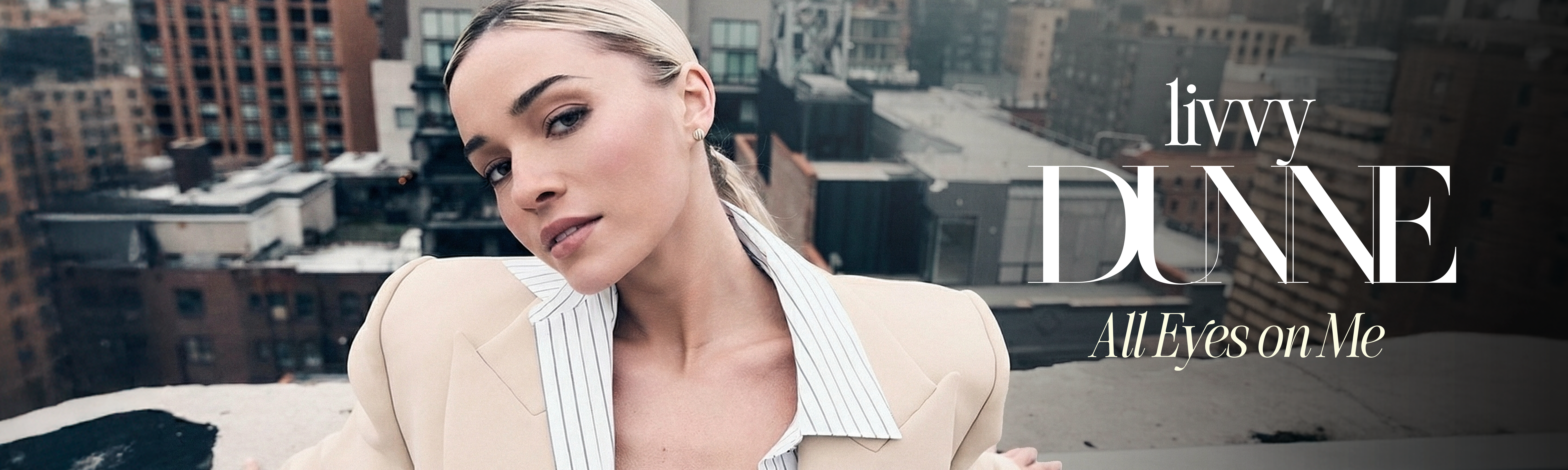
Photo · Boardroom
The NIL conversation needed a face. It got one. And now that face is on the Boardroom cover, framed as the model — the proof that college athletes can build something real while they're still competing.
That framing is worth interrogating.
Boardroom's piece positions Livvy Dunne as the NIL blueprint. The athlete who figured it out first, moved fastest, and built the biggest number. By the metrics that matter in this conversation — follower count, deal volume, cultural footprint — the argument is hard to dispute. She is the case study every sports business professor is going to use for the next decade.
But a blueprint is only as good as what gets built from it.
The Difference Between a Brand and a Platform
There's a version of what Dunne has built that is genuinely impressive and genuinely durable. A real audience. Real commercial relationships. A name that existed outside the sport before the sport ended. That's not nothing. That's actually rare, and it took real instinct to get there.
There's also a version where the numbers are real but the foundation is thin — where the audience followed the gymnast-who-is-also-famous and will drift when the gymnastics stops providing the story. Where the deals were signed because she was the biggest NIL name available, not because the brand she represents is distinct enough to survive in a crowded post-college landscape.
The Boardroom piece, from what it signals, is interested in celebrating the first version. That's understandable. It's a cover story, not a forensic audit.
But the question our reader is already asking — the one that doesn't get asked in a cover story — is which version is actually true.
What the NIL Era Gets Wrong About Brand Building
The NIL moment produced a lot of athletes with large audiences and thin identities. Follower counts built on sports highlights and algorithm timing. Sponsorships stacked because brands wanted access to the demographic, not because the athlete stood for something specific enough to transfer.
Dunne is smarter than most of that. The social media fluency is real. The timing was real. But fluency and timing are table stakes now — every incoming freshman has a content strategy.
What she's actually built, and whether it has a life beyond the LSU leotard, is the only story that matters from here. The Boardroom piece exists because she's still in the ascending phase. The interesting piece — the one nobody will write for another three years — is what happens at the inflection point. When the eligibility ends. When the next gymnast with better numbers comes along. When the brands have to decide if they're buying her or buying her audience.
Those are different things. They have different price tags. And they produce very different outcomes.
The NIL era needed its poster. Dunne earned that. But posters don't compound — businesses do.
Keep reading sports.

ESPN Named Him. Then Unnamed Him. Nobody's Explaining the Gap.
A retraction without a reckoning is just a deleted link.

Three People Died Celebrating. FIFA Hasn't Said Their Names.
Mexico City buried three people after the World Cup crowds came through. At some point, the sport has to sit with that.

Sell the Stadium, Lose the Room
NFL franchises are rolling out the welcome mat for World Cup tourists — and the desperation is showing.
From the other desks.

800 Horsepower, One Ton of Doubt
Lamborghini built the most powerful SUV it's ever made. It's also slower than what it replaced.

Gold Leaf on a Lacquer Dial, and the Weight of What That Costs
Awake's Frosted Leaf Royal Blue asks a question Vietnamese craft has never quite had to answer at this price.

Hide My Email Has Been Showing Your Email
Apple's privacy flagship has a hole in it. They've known for over a year.