The NAACP Called a Boycott. Then Looked at College Athletes and Blinked.
Asking unpaid players to carry a movement that professional athletes won't touch is a strategy built on someone else's sacrifice.
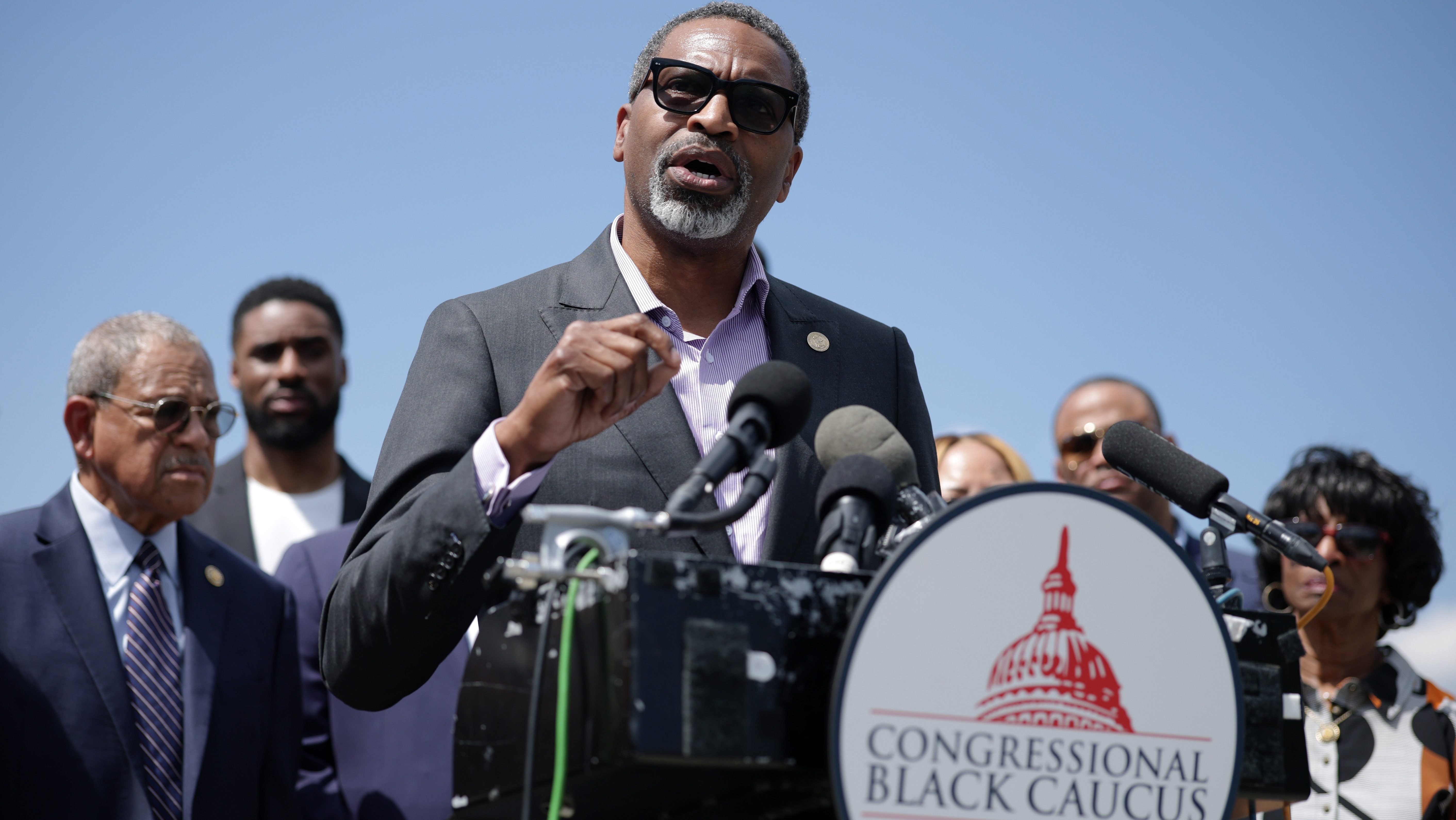
Photo · Andscape
The NAACP has a campaign called "Out of Bounds." The name is right, just not in the way they intended.
The organization's call to boycott select Southern college athletic programs — in states where voting rights are under attack — has landed with what a writer at Andscape describes as ambivalence. That word is doing a lot of work. Ambivalence is what you feel when you can't decide between two options you both find acceptable. What college athletes are actually navigating is something harder: being asked to absorb consequences for a fight that people with far more leverage have quietly declined to join.
The Andscape piece makes a direct argument — pros, not college athletes, should be the ones to step up. It's a clean thesis. It's also an indictment dressed as advice.
Who's Actually Being Asked to Pay
College athletes, depending on the sport and the institution, exist in a structure that can revoke opportunity with very little warning and very little recourse. A scholarship is not a contract. A commitment to a program is not reciprocal in the way it sounds. These are young people — many of them from families without generational safety nets — being asked to place their athletic futures on the altar of a cause that professional athletes, men and women with guaranteed contracts and union protections and financial independence, have declined to lead.
That's not a critique of the cause. Voting rights are worth fighting for. The "Out of Bounds" campaign invoking movements past is not wrong to reach for that legacy. But legacy invocation is not strategy. Pointing at what athletes sacrificed in earlier eras and asking today's college players to match it — without asking why the people with actual power aren't going first — is an argument that only works if you don't examine who's being protected.
Professional athletes operate in a different risk environment. They have agents. They have unions. They have financial security that, once established, isn't easily dismantled by an athletic director's phone call. The writer at Andscape understands this distinction and builds the whole piece around it. What's worth sitting with is why the NAACP's campaign apparently didn't.
When Symbolism Becomes the Load-Bearing Wall
Activism has always had a symbolic dimension — that's not a flaw, it's a feature. Symbols move culture. But at some point, every movement has to decide whether the symbol is the beginning of structural pressure or a substitute for it. The "Out of Bounds" campaign, as described, reads like a moment where that question hasn't been fully answered.
Boycotting a college athletic program puts pressure on institutions. That's real. But it also puts pressure on the athletes who didn't make the policies being protested — many of whom are themselves from the communities those voting rights laws are designed to suppress. There's a version of this where you're asking Black athletes to boycott on behalf of Black voters while the people with the most economic leverage in American sports watch from a comfortable distance.
The Andscape take doesn't let that stand. It names the gap. That's the piece's actual value — not as a roadmap, but as a refusal to pretend the current arrangement is equitable.
College athletes have been asked to be symbols before. They've been asked to represent their universities, their communities, their sports, their races, their generations. They do it mostly without complaint and almost always without commensurate support. Asking them to now carry the weight of electoral justice, while the pros stay quiet, isn't a strategy.
It's a habit. And the Andscape writer, to their credit, is tired of it.
The movement doesn't need more sacrifice from the people who can least afford it. It needs the people who can afford it to stop waiting for someone else to go first.
Keep reading sports.

ESPN Named Him. Then Unnamed Him. Nobody's Explaining the Gap.
A retraction without a reckoning is just a deleted link.

Three People Died Celebrating. FIFA Hasn't Said Their Names.
Mexico City buried three people after the World Cup crowds came through. At some point, the sport has to sit with that.

Sell the Stadium, Lose the Room
NFL franchises are rolling out the welcome mat for World Cup tourists — and the desperation is showing.
From the other desks.

800 Horsepower, One Ton of Doubt
Lamborghini built the most powerful SUV it's ever made. It's also slower than what it replaced.

Gold Leaf on a Lacquer Dial, and the Weight of What That Costs
Awake's Frosted Leaf Royal Blue asks a question Vietnamese craft has never quite had to answer at this price.

Hide My Email Has Been Showing Your Email
Apple's privacy flagship has a hole in it. They've known for over a year.