Two Undergrads at Brown Built the Deal Table. Then Pulled Up Chairs.
When a class project becomes a live brokerage network, the gatekeepers have a problem.
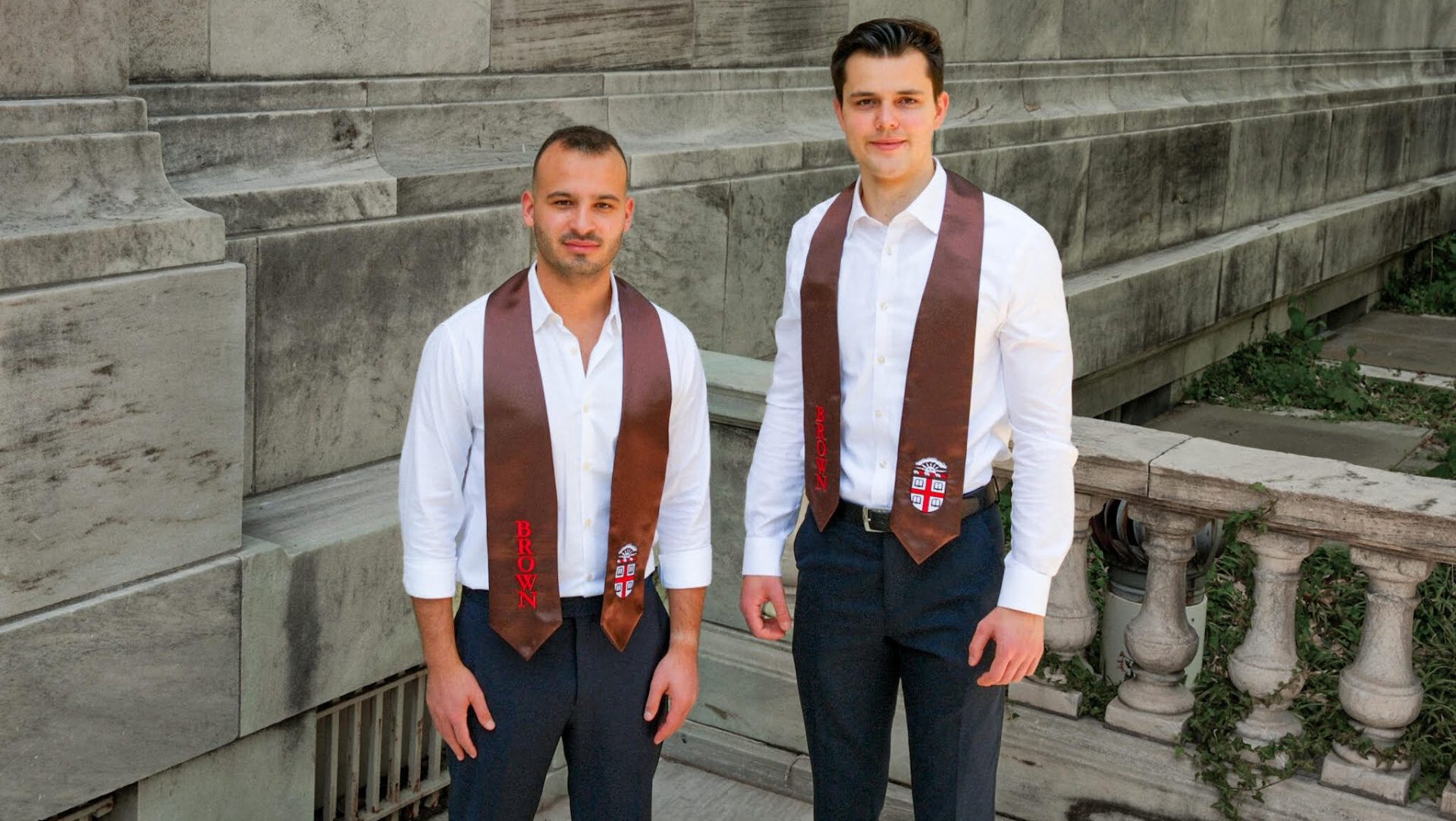
Photo · Front Office Sports
There is a version of this story where two Brown undergrads get an A and move on. That is not what happened.
A writer at Front Office Sports has covered how an experimental project at Brown became something more durable — a permanent course and a functioning network for brokering sports deals. Not a simulation. Not a case study. An actual infrastructure, built by people who weren't old enough to have been burned by the industry yet, which may be exactly why it worked.
Pay attention to that word: permanent. Experiments get shelved. This one got institutionalized.
The Gate Was Never Locked. Just Heavy.
Sports representation has always had the texture of a guild. You got in because someone let you in — a mentor, a firm, a family connection, a long apprenticeship spent fetching coffee for people who knew people. The knowledge wasn't secret, exactly, but the access was. You couldn't just walk into a negotiation room. You had to earn the right to be in the building first, and earning that right took years and required proximity that most people simply don't have.
What's striking about the Front Office Sports piece isn't the two students — it's the timing. The story could only exist now. NIL changed the math on athlete compensation in ways the old infrastructure wasn't designed to handle, and the deal volume that followed created a vacuum. Agents and firms built for the previous era couldn't absorb it fast enough. So the vacuum got filled — apparently, in part, by undergraduates with a class project and something to prove.
That's not a criticism of the students. That's an indictment of how slowly the establishment moved.
What It Means When Kids Are Faster Than the Room
The romanticized version of this is two scrappy outsiders disrupting a closed system through sheer hustle. The more honest version is that the system left a door open and two people walked through it while everyone else was still debating whether the door was real.
The fact that Brown made this a permanent course is the tell. Universities don't formalize things that don't work. They don't commit curriculum space to a one-time experiment. Someone looked at what these students built and decided it deserved to outlast them — that the model was replicable, teachable, worth passing forward.
That's a quiet revolution. Not loud. Not a press conference. Just two undergrads building something functional enough that the institution decided to preserve it.
The old gatekeepers will say the experience still matters, that you can't broker serious deals without years in the room. They're not entirely wrong. But they're also not as right as they used to be. The room got bigger. The deals got more numerous. And the people who moved first — even if they were twenty years old and doing it for a grade — are now ahead.
Being early is its own kind of credential.
Keep reading sports.

ESPN Named Him. Then Unnamed Him. Nobody's Explaining the Gap.
A retraction without a reckoning is just a deleted link.

Three People Died Celebrating. FIFA Hasn't Said Their Names.
Mexico City buried three people after the World Cup crowds came through. At some point, the sport has to sit with that.

Sell the Stadium, Lose the Room
NFL franchises are rolling out the welcome mat for World Cup tourists — and the desperation is showing.
From the other desks.

800 Horsepower, One Ton of Doubt
Lamborghini built the most powerful SUV it's ever made. It's also slower than what it replaced.

Gold Leaf on a Lacquer Dial, and the Weight of What That Costs
Awake's Frosted Leaf Royal Blue asks a question Vietnamese craft has never quite had to answer at this price.

Hide My Email Has Been Showing Your Email
Apple's privacy flagship has a hole in it. They've known for over a year.