Nick Saban and the SEC Are on Opposite Sides Now
A Senate bill meant to save college sports is splitting the people who built it.
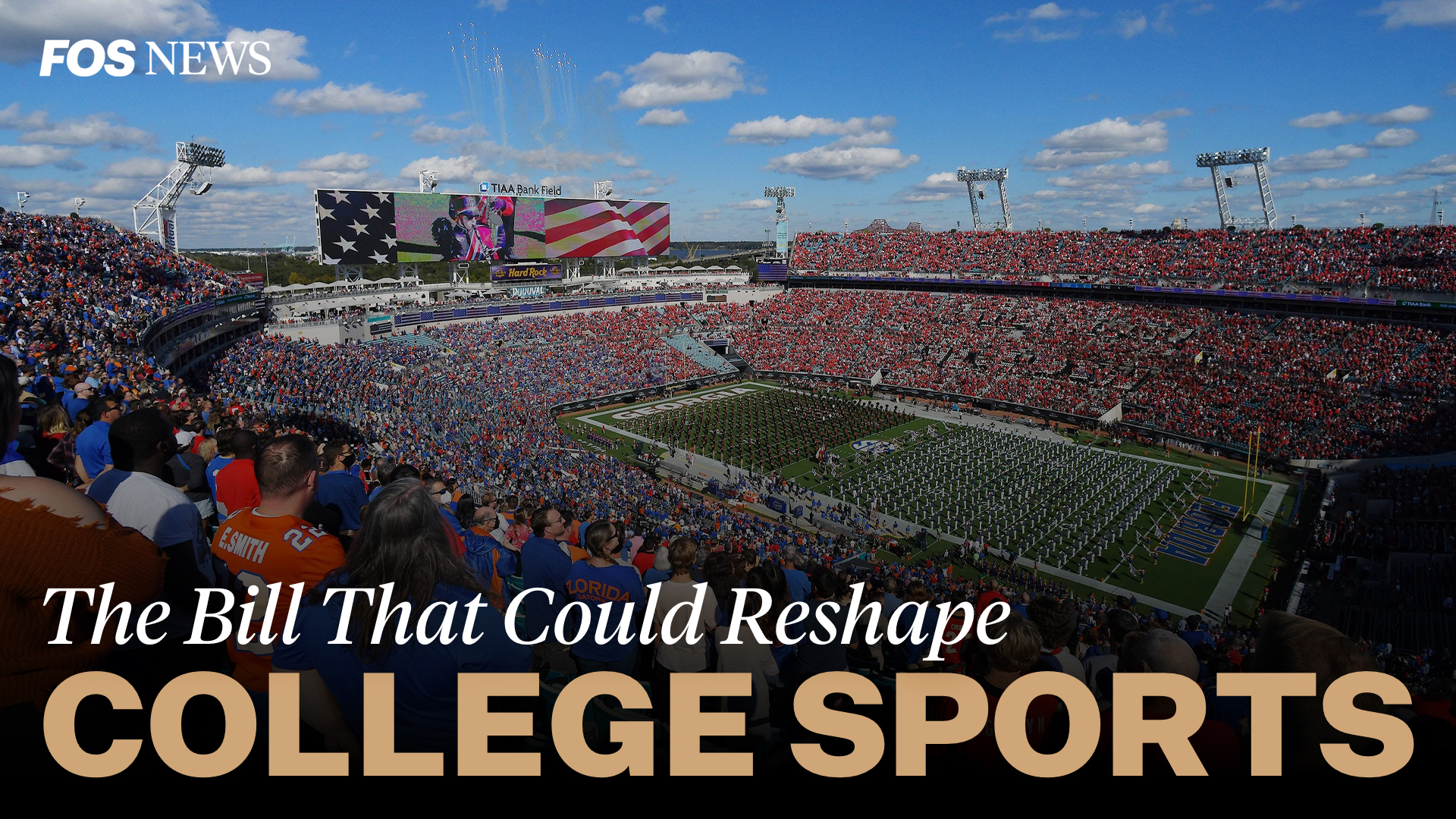
Photo · Front Office Sports
There is a version of this story where Congress rides in, writes a clean bill, and college athletics finally gets the legal framework it has needed for years. Everybody shakes hands. The athletes get paid fairly. The conferences get certainty. The cameras roll.
That version is not happening.
The Man Who Built the SEC Is Testifying Against It
What is actually happening is stranger and more revealing. Nick Saban — the coach most identified with SEC dominance, the man whose fingerprints are on more national championships than most programs have had winning seasons — showed up to testify in favor of a Senate bill that the SEC itself is fighting. Front Office Sports reported on both the bill's progress and the rifts it's creating, and the picture they paint is not a reform story. It's a fracture story.
The bill in question, pushed by Senator Schmitt, includes a media rights pooling provision — the idea being that revenue from broadcast deals would be shared more broadly across college sports. The SEC, which has negotiated its own television arrangements and benefits handsomely from the current structure, wants no part of that. The conference's resistance isn't surprising. What is surprising is that one of the most powerful ambassadors the SEC ever produced is sitting across the aisle from it.
Saban's testimony doesn't mean the bill passes. But it means something. It means the old alliances — coach to conference, program to brand, success to silence — are under real pressure.
The Vacuum Nobody Wants to Admit
Here's the meta-observation both pieces are circling without quite landing on it directly: the NCAA's collapse as a governing authority didn't just create chaos for athletes. It created a power vacuum that the conferences, the schools, and now Congress are all rushing to fill — and none of them agree on what filling it actually looks like.
Schmitt told Front Office Sports that he sees a path to passage, and he's treating the SEC's opposition as a negotiating position rather than a wall. Maybe he's right. But the fact that a sitting senator has to personally manage the politics of whether football conferences will share television money tells you everything about where we are. This isn't legislation as reform. This is legislation as triage.
The schools that built their identities around conference loyalty — that wore the SEC patch like a flag, that treated the Big Ten footprint like a birthright — are now calculating their own positions against each other. Media rights pooling sounds like an accounting question. It isn't. It's a question about who controls the money that college sports runs on, and right now the answer is: whoever negotiated the best TV deal. Congress wants to change that equation. The SEC wants to protect it.
Saban testifying for the bill is him saying, plainly, that the current equation is producing outcomes he doesn't like. Whether that's about athlete welfare, competitive balance, or something else, the sources don't fully resolve. But the image holds: the architect of the machine, in a Senate hearing room, suggesting the machine needs to be rebuilt.
Somebody's going to lose something they thought was permanent. The only question left is who moves first.
Keep reading sports.

ESPN Named Him. Then Unnamed Him. Nobody's Explaining the Gap.
A retraction without a reckoning is just a deleted link.

Three People Died Celebrating. FIFA Hasn't Said Their Names.
Mexico City buried three people after the World Cup crowds came through. At some point, the sport has to sit with that.

Sell the Stadium, Lose the Room
NFL franchises are rolling out the welcome mat for World Cup tourists — and the desperation is showing.
From the other desks.

800 Horsepower, One Ton of Doubt
Lamborghini built the most powerful SUV it's ever made. It's also slower than what it replaced.

Gold Leaf on a Lacquer Dial, and the Weight of What That Costs
Awake's Frosted Leaf Royal Blue asks a question Vietnamese craft has never quite had to answer at this price.

Hide My Email Has Been Showing Your Email
Apple's privacy flagship has a hole in it. They've known for over a year.