Nobody Knows How to Watch Shai Gilgeous-Alexander
A generation is watching a player dismantle the league in real time, and somehow finding it hard to feel anything.
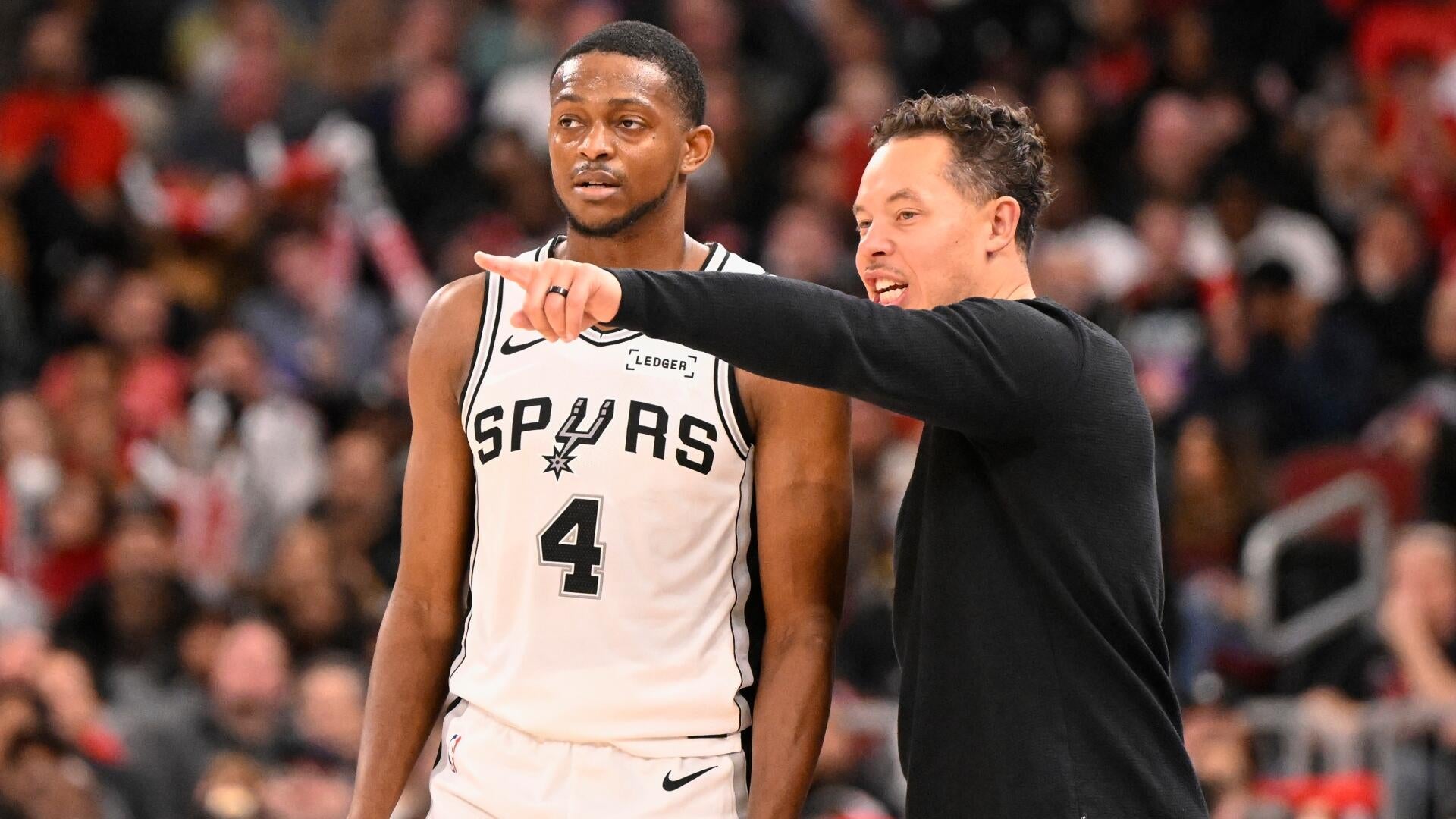
Photo · CBS Sports Headlines
The Problem With Flawless
There's a certain kind of greatness that doesn't announce itself. It doesn't ask for your attention. It just works — quietly, efficiently, relentlessly — until the final buzzer reveals what happened. Most people call that dominance. Some people, apparently, call it agonizing.
Mike Greenberg said exactly that. According to reporting from Awful Announcing, the ESPN host described watching Shai Gilgeous-Alexander play as something close to uncomfortable — not because he's bad, but because of how he's good. No wasted motion. No drama. Just results. Greenberg is not a fringe voice. He is, by any measure, someone paid to appreciate elite basketball. And he finds the league's two-time MVP agonizing to watch.
Sit with that for a second.
The Oklahoma City Thunder are on the edge of their second consecutive NBA Finals appearance. Their young core is locked up for years. The roster is built. The model works. By every structural measure, this franchise is doing what every franchise dreams of doing. And yet the conversation around them keeps bumping into the same strange wall: nobody quite knows how to feel about it.
What a Dynasty Needs That a Resume Doesn't
Mike Tirico — calling games for NBC, watching this team up close through the postseason — pumped the brakes on the dynasty talk publicly. His message, per Awful Announcing, was essentially: slow down. The wins are real. The trajectory is real. But calling something a dynasty requires more than evidence. It requires time, and maybe something else, something harder to name.
I think what Tirico is reaching for, whether he knows it or not, is narrative.
Dynasties don't just accumulate championships. They accumulate stories. They give you a villain arc, a redemption arc, a moment where the whole thing nearly fell apart and didn't. They give you a personality to argue about at dinner. The '90s Bulls gave you the obsessive coach and the cold-blooded closer and all the mythology that came with both. You didn't just watch those teams — you had a relationship with them.
OKC, right now, is a relationship where the other person is perfect and you can't figure out why that feels slightly off.
Gilgeous-Alexander's game reads, to many observers, like a proof. Elegant. Correct. Defensible at every step. And proofs, by design, don't need your emotional investment. They just need to be right.
The Credibility Gap Nobody Expected
Here's what's strange: this should not be a credibility problem. Two-time MVP. Last year's Finals MVP, per the reporting. A team built to contend for a decade. The credentials are immaculate. And yet there is, unmistakably, a credibility gap — not about whether SGA is great, but about whether greatness in this particular register counts the way we expect it to.
We are a culture that rewards legibility. We want our stars to give us something to hold onto — a flash of fury, a moment of visible hunger, a gesture that says this means something to me and I need you to know that. Gilgeous-Alexander, by most accounts, doesn't offer much of that surface area. His excellence is sealed. Finished-looking. Almost impossible to project onto.
And so the conversation fractures. Greenberg finds the watching agonizing. Tirico finds the dynasty label premature. Two respected voices, watching the same team win, arriving at unease instead of awe.
This is not really about SGA. It's about what we ask of the people we watch.
What We're Actually Arguing About
When Tirico says we gotta slow this stuff down, he's right in the technical sense — one title and a Finals run is not, historically, a dynasty. The caution is warranted. But underneath the caution is something more revealing: a slight discomfort with a team that's making the future look too easy, too soon, with too little apparent cost.
We like our dynasties to have been forged. We want the scars visible. We want to believe the thing we watched survive something before we let ourselves believe in it fully.
Maybe that's fair. Maybe it's just human. We trust the things that look like they've been through something, because we have been through things, and we want our myths to match that experience.
Or maybe — and I keep coming back to this — we've just never quite seen this version of greatness before, and our vocabulary for it hasn't caught up. Efficiency as artistry. Composure as statement. A player so precisely in control that chaos, the thing we usually use to tell the story, never gets a foothold.
The Thunder might win another title. They might win three more. The resume will keep building. And somewhere along the way, we'll either find a way to love it — or we'll keep watching, agonizing, waiting for something that looks more like us.
Keep reading sports.

ESPN Named Him. Then Unnamed Him. Nobody's Explaining the Gap.
A retraction without a reckoning is just a deleted link.

Three People Died Celebrating. FIFA Hasn't Said Their Names.
Mexico City buried three people after the World Cup crowds came through. At some point, the sport has to sit with that.

Sell the Stadium, Lose the Room
NFL franchises are rolling out the welcome mat for World Cup tourists — and the desperation is showing.
From the other desks.

800 Horsepower, One Ton of Doubt
Lamborghini built the most powerful SUV it's ever made. It's also slower than what it replaced.

Gold Leaf on a Lacquer Dial, and the Weight of What That Costs
Awake's Frosted Leaf Royal Blue asks a question Vietnamese craft has never quite had to answer at this price.

Hide My Email Has Been Showing Your Email
Apple's privacy flagship has a hole in it. They've known for over a year.