Presenting Sponsor of the NBA Finals. Gone by Game One.
YouTube TV's name vanished from the NBA Finals before the first tip-off, and nobody seemed to notice — which tells you everything about where sports media is right now.
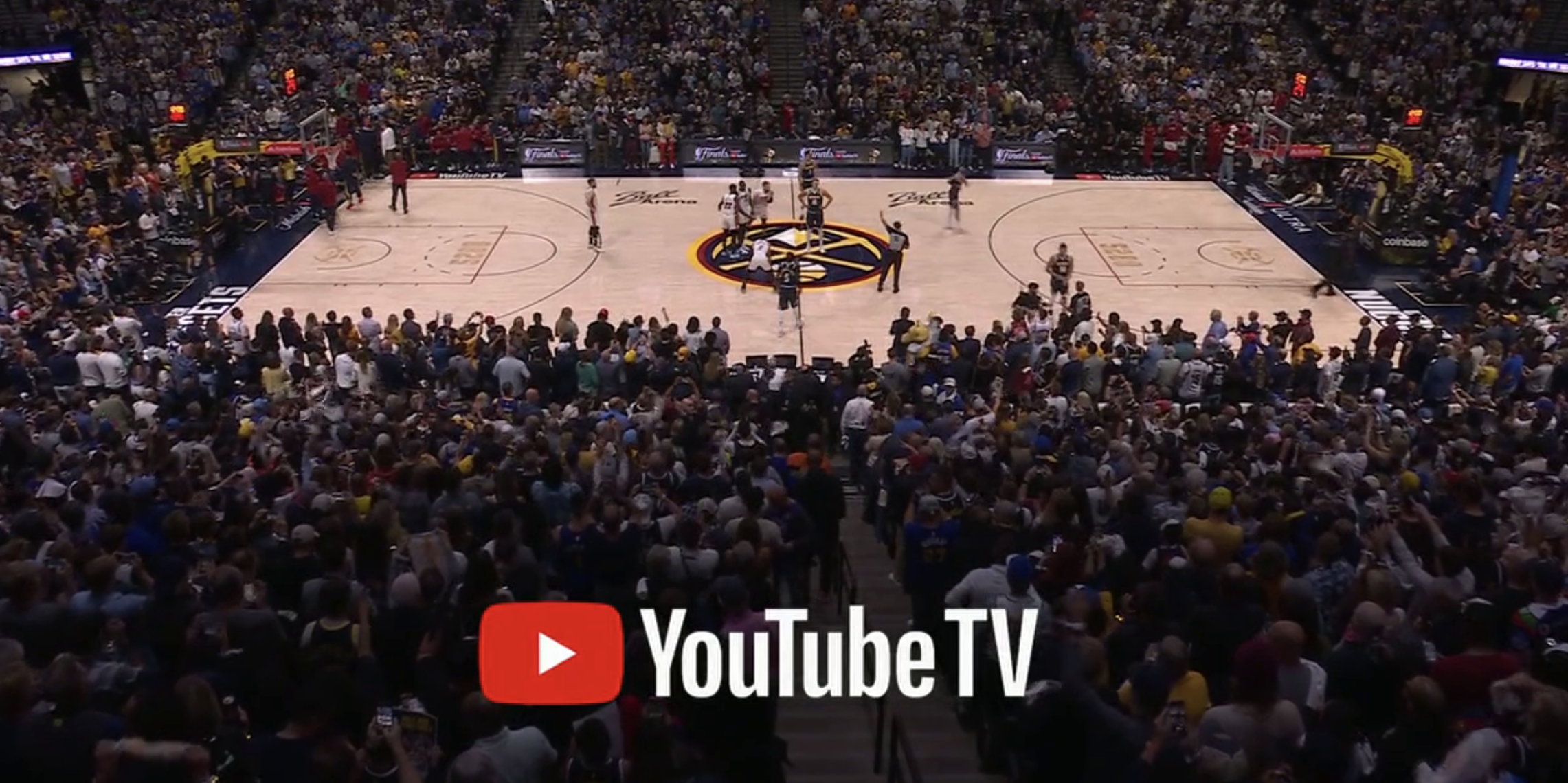
Photo · Awful Announcing
There's a version of this story where YouTube TV losing the presenting sponsorship of the NBA Finals is a minor administrative footnote. A contract didn't renew. These things happen. Move on.
That version is wrong.
The Bracket Is Getting Crowded
When the Oklahoma City Thunder and Indiana Pacers opened the 2025 NBA Finals, YouTube TV's name wasn't attached. According to Awful Announcing, the sponsorship was gone before a single tip-off — no fanfare, no explanation filling the void. Just absence where a brand used to be.
Presenting sponsorships are supposed to mean something. They're the handshake before the game, the logo next to the thing everyone watches. They signal investment, alignment, belief that this particular audience is worth owning for the duration. When one disappears, it's worth asking not just who left, but why the real estate moved.
The answer, right now, is that the real estate is shifting faster than anyone can hold onto it. ESPN is absorbing NFL Network — a deal that closed April 1 — and Burke Magnus, who now oversees the channel as part of that acquisition, told John Ourand that NFL Network will likely maintain its own separate NFL Draft coverage rather than fold into the mothership immediately. Two properties, same owner, deliberately kept distinct. The logic is calibration: don't collapse what you just bought before you understand what it's worth.
Meanwhile, ABC is adding bowl games. Awful Announcing reported that ABC will air six non-College Football Playoff bowl games in 2026 — one more than last season — including tripleheaders on December 26 and January 2, plus expanded College Football Playoff coverage: a quarterfinal, a semifinal, and more. The footprint is growing. The inventory is multiplying.
What Sponsorship Actually Measures
Here's what these three stories look like when you hold them up together: one brand exits a marquee sports property without warning, one media giant quietly manages two overlapping brands under the same roof, and another network expands its schedule to fill more calendar space with live events.
None of this is chaotic on its own. Taken together, it describes a media landscape in active renegotiation — where the value of any single attachment point is harder to calculate than it used to be, because the attachment points keep multiplying.
A presenting sponsorship on the NBA Finals once meant something clean: you were the name on the thing. Now the thing is on a platform competing with other platforms, inside a rights deal that itself competes with other rights deals, reaching an audience that can find the same content through four different front doors. The sponsor isn't paying for exclusivity anymore. They're paying for proximity — and proximity is cheaper when everyone has it.
YouTube TV's exit doesn't prove the NBA Finals lost value. It might just prove that a presenting credit on a fragmented broadcast is a harder sell than it was when there were three networks and one way to watch.
ESPN consolidating NFL Network while keeping its draft coverage separate isn't indecision — it's a company trying to manage perceived value across two audiences who think they're watching different things, even when the owner is the same.
And adding bowl games to ABC isn't ambition so much as it is territory-marking: more hours, more games, more opportunities to attach a brand name to something people actually tune in for.
The presenting sponsor used to be the loudest name in the room. Now the room keeps adding doors, and the name above the entrance matters less than whoever controls the building.
YouTube TV didn't just lose a sponsorship. Something got repriced.
Keep reading sports.

ESPN Named Him. Then Unnamed Him. Nobody's Explaining the Gap.
A retraction without a reckoning is just a deleted link.

Three People Died Celebrating. FIFA Hasn't Said Their Names.
Mexico City buried three people after the World Cup crowds came through. At some point, the sport has to sit with that.

Sell the Stadium, Lose the Room
NFL franchises are rolling out the welcome mat for World Cup tourists — and the desperation is showing.
From the other desks.

800 Horsepower, One Ton of Doubt
Lamborghini built the most powerful SUV it's ever made. It's also slower than what it replaced.

Gold Leaf on a Lacquer Dial, and the Weight of What That Costs
Awake's Frosted Leaf Royal Blue asks a question Vietnamese craft has never quite had to answer at this price.

Hide My Email Has Been Showing Your Email
Apple's privacy flagship has a hole in it. They've known for over a year.