Scott Agness Reported a Back Injury. The Fever Took His Badge.
When a franchise pulls credentials over injury coverage, the real problem isn't the reporter.
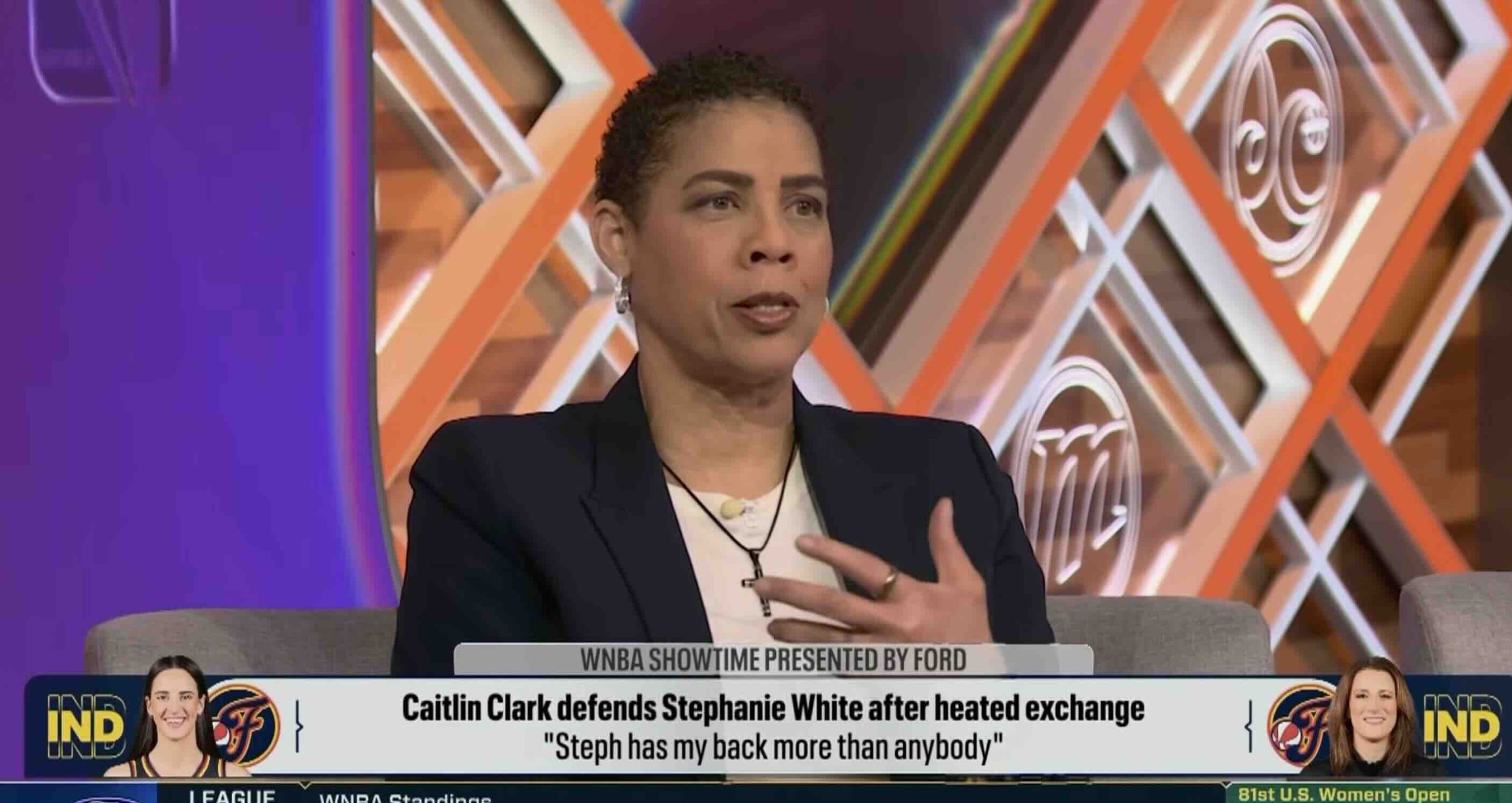
Photo · Awful Announcing
There's a moment in every ascent when the institution built around a person stops serving them and starts serving itself. The Indiana Fever may have just had theirs.
On May 20, Caitlin Clark was a surprise late scratch against the Portland Fire with a back injury. Standard sports news. Except, according to independent reporter Scott Agness — who covers the Fever through his Fieldhouse Files Substack — his credential was subsequently revoked, the apparent consequence of reporting on that injury. He said so publicly.
Let that settle for a second. A reporter covered a player being hurt. The franchise pulled his access.
The Pressure Has Somewhere to Go Now
This doesn't exist in isolation. The same week, Clark was caught in an intense sideline exchange with head coach Stephanie White. She's been visibly short with the media. The Fever are struggling. And Clark, dealing with injuries and pointed criticism about her defense, is showing — for what sources describe as the first time in her career — real cracks in the composure that carried her here.
Cheryl Miller, who knows something about playing under the weight of a generation's expectations, offered Clark public grace in response. Miller acknowledged the expectations Clark faces are overwhelming — her word, and it lands correctly.
Here's what the two stories, read together, actually say: the Fever have a talent so large that normal franchise management can't hold her, and instead of expanding to meet the moment, they're contracting around it. Pulling a credential doesn't protect Clark. It protects the Fever's preferred narrative about Clark, which is a different thing entirely.
What Control Looks Like When It Slips
Credential revocations are a power move dressed as policy. They say: we decide what gets reported, and we decide who gets close enough to report it. That's always been true in professional sports. The difference now is the stakes. Clark isn't just the Fever's most important player — she may be the most consequential player the WNBA has seen in terms of raw commercial and cultural momentum. When a franchise starts managing access around her, the league is watching, the media is watching, and the millions of people who came to the sport through her are watching.
The Fever might believe they're protecting their player. What they're actually doing is demonstrating that their infrastructure was built for a different era — one where you could quietly manage the story of a struggling season without anyone caring enough to notice. That era ended when Caitlin Clark walked through the door.
Emotional outbursts on the sideline, tense media sessions, physical setbacks — none of that is surprising for a second-year player carrying franchise weight in a difficult season. The human part of this story is actually the least complicated part. Players get hurt. Players get frustrated. Players who are asked to carry everything sometimes buckle under it. Miller's grace is the right instinct.
But pulling credentials? That's not protecting a player. That's a franchise flinching.
The WNBA has spent the last year celebrating what Clark's arrival unlocked. Attendance records, television deals, cultural penetration that the league has chased for decades. You don't get to collect that dividend and then, when the same player's story gets complicated, decide the press doesn't need to know she has a bad back.
The league built itself around her success. Now it has to survive her humanity — and its own impulse to hide it.
Keep reading sports.

ESPN Named Him. Then Unnamed Him. Nobody's Explaining the Gap.
A retraction without a reckoning is just a deleted link.

Three People Died Celebrating. FIFA Hasn't Said Their Names.
Mexico City buried three people after the World Cup crowds came through. At some point, the sport has to sit with that.

Sell the Stadium, Lose the Room
NFL franchises are rolling out the welcome mat for World Cup tourists — and the desperation is showing.
From the other desks.

800 Horsepower, One Ton of Doubt
Lamborghini built the most powerful SUV it's ever made. It's also slower than what it replaced.

Gold Leaf on a Lacquer Dial, and the Weight of What That Costs
Awake's Frosted Leaf Royal Blue asks a question Vietnamese craft has never quite had to answer at this price.

Hide My Email Has Been Showing Your Email
Apple's privacy flagship has a hole in it. They've known for over a year.