WrestleMania 42 Has Two Stories, and Only One of Them Is Being Told Right
WWE's future is being written by Black talent. The broadcast that delivered it was built for someone else.
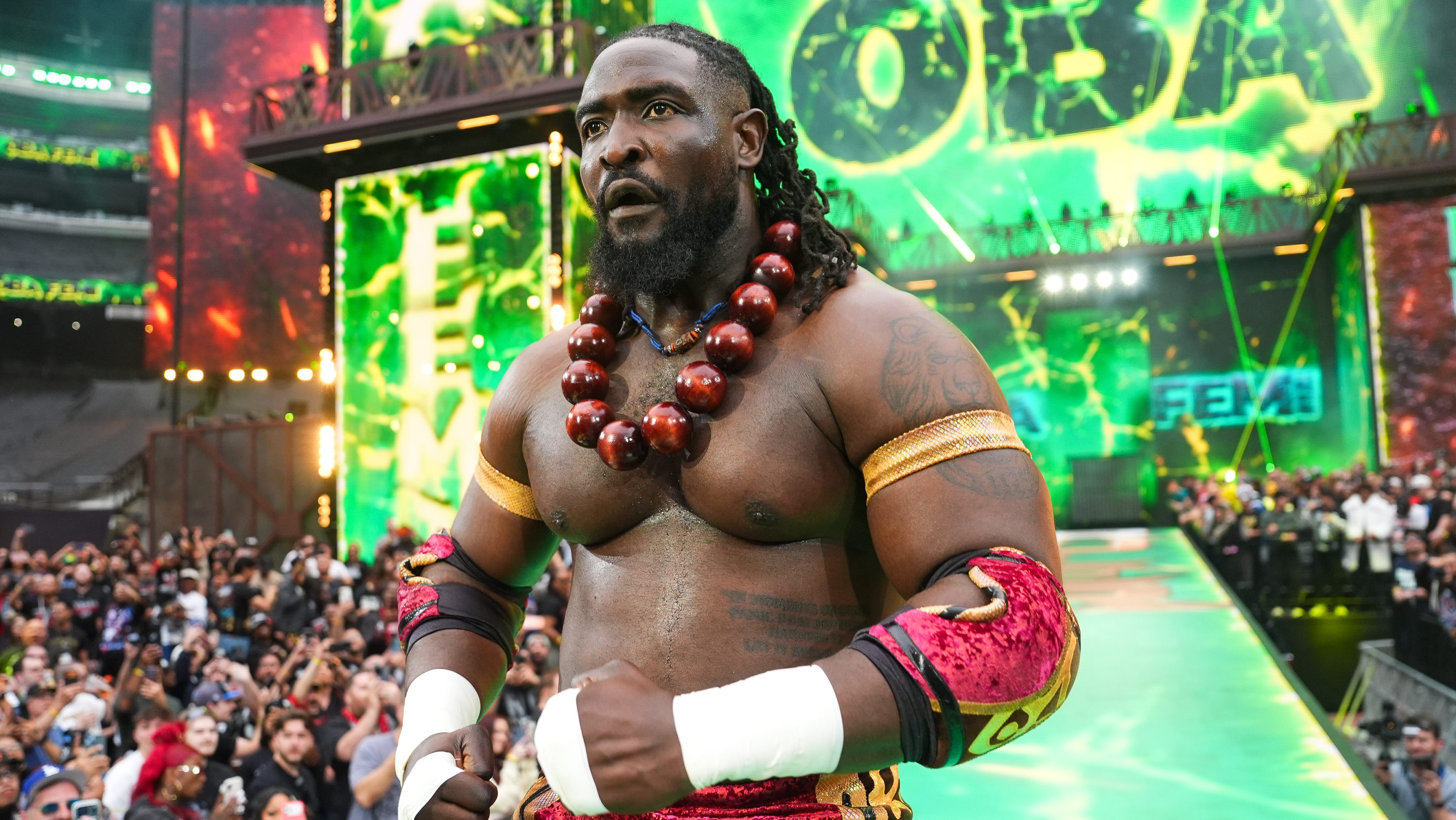
Photo · Andscape
There's a version of this story where everything is fine. WrestleMania 42 happened, the crowd was loud, the moments landed, and a new generation announced itself to anyone paying attention. That version is real. It's also incomplete.
Andscape ran two separate pieces on WrestleMania 42 this weekend, and together they sketch something that the broader sports press hasn't quite figured out how to say directly: WWE's next era has a face, and it's Black. Not as a marketing angle. As a structural reality. With longtime centerpieces like John Cena retired and AJ Styles having taken his bow, the company that has been running for more than 70 years is reshuffling — and the names positioned to carry it forward look different from the names that carried it before.
Who the Stage Was Built For
Lash Legend made her WrestleMania in-ring debut this weekend in a Fatal 4-Way women's tag team match. The former college basketball standout has been rising steadily, and according to Andscape's coverage, she walked into the weekend ready to deliver a message: the future of the women's division is here. That's not a small statement at WrestleMania, which is wrestling's largest stage. Debuts there are not accidents. They are decisions. Someone decided this was the moment.
That decision matters more than any single match result. Rosters turn over constantly in WWE; moments of deliberate elevation are rarer. When a company with this much institutional history decides who gets the WrestleMania spotlight, it's telling you something about where it thinks it's going — and who it thinks will take it there.
The Andscape coverage reads that shift clearly and without hedging. WWE's future is Black. That sentence is the headline, not a subtext buried three paragraphs in.
The Broadcast Told a Different Story
Here's where the weekend gets complicated.
Awful Announcing reported that Dan Le Batard and Mike Ryan used their platform to call ESPN's WrestleMania presentation exactly what it appeared to be: a cash grab. The criticism, as covered, is that despite ESPN putting its full promotional weight behind the event all week — and despite Pat McAfee's high-profile involvement — the actual viewing experience for fans was worse than what they'd had before. The machinery of a major sports media deal was visible in a way that undermined the thing it was supposed to celebrate.
That tension is worth sitting with. On one side of the weekend, you have a genuine inflection point — a company repositioning around new talent, new identity, and a real bet on Black performers as the face of its future. On the other side, you have a broadcast infrastructure that, by multiple accounts, prioritized the business arrangement over the audience.
Those two things can coexist, and they did. But they pull in opposite directions.
Wrestling has always been about control of the narrative — who gets the microphone, who gets the moment, who gets written as the hero. That's the entire art form. So when the question of who controls the broadcast narrative becomes a legitimate grievance, it lands differently than it would in another sport. The fans who noticed the gap between ESPN's promotional week and the actual product aren't just complaining about a streaming experience. They're noticing that someone else's priorities were sitting between them and the show.
The talent earned the stage this weekend. Whether the stage was set up for the right audience is a different question entirely — and nobody seems to be putting those two conversations in the same room.
Wrestling's most interesting power struggle right now isn't happening inside the ring.
Keep reading sports.

ESPN Named Him. Then Unnamed Him. Nobody's Explaining the Gap.
A retraction without a reckoning is just a deleted link.

Three People Died Celebrating. FIFA Hasn't Said Their Names.
Mexico City buried three people after the World Cup crowds came through. At some point, the sport has to sit with that.

Sell the Stadium, Lose the Room
NFL franchises are rolling out the welcome mat for World Cup tourists — and the desperation is showing.
From the other desks.

800 Horsepower, One Ton of Doubt
Lamborghini built the most powerful SUV it's ever made. It's also slower than what it replaced.

Gold Leaf on a Lacquer Dial, and the Weight of What That Costs
Awake's Frosted Leaf Royal Blue asks a question Vietnamese craft has never quite had to answer at this price.

Hide My Email Has Been Showing Your Email
Apple's privacy flagship has a hole in it. They've known for over a year.