Anthropic Drew a Line in the Sand. The Tide Is Already Coming In.
The US froze its most advanced AI models for foreign nationals, then started quietly thawing. Nobody seems embarrassed by that.
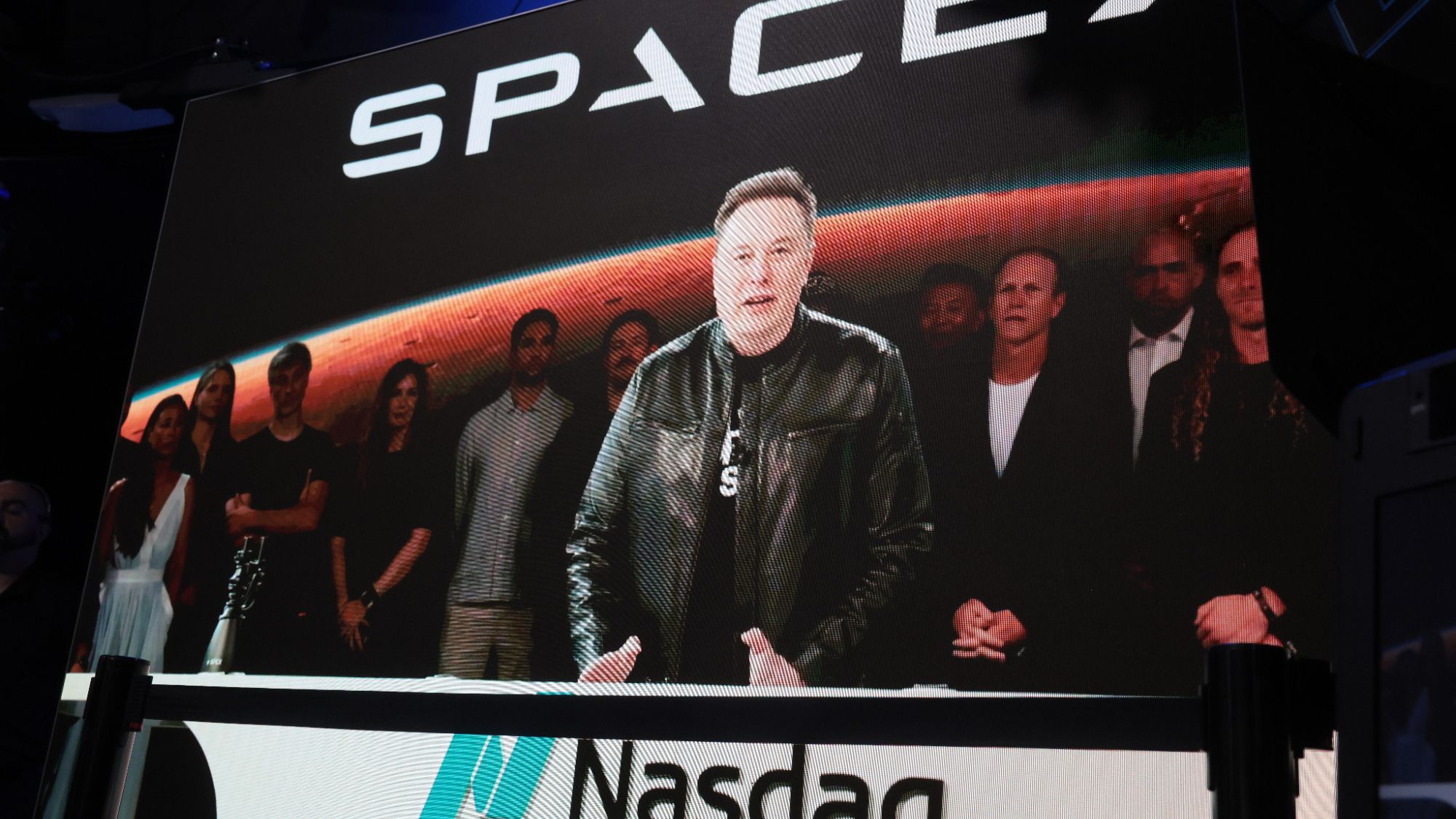
Photo · Latest from Tom's Hardware
Here is the compressed version of US AI geopolitics right now: the White House issued an emergency directive pulling Anthropic's most advanced models — Mythos and Fable 5 — offline for foreign nationals, citing national security. Days later, according to Android Authority, those same models may be restored within days. The crisis had a shorter shelf life than most news cycles.
This is not a story about one bad decision. It's a story about what happens when a doctrine gets stress-tested by its own contradictions.
The SK Telecom Wrinkle
Wired identified SK Telecom as the South Korean carrier at the center of the controversy. The White House ordered its access to Claude Mythos revoked over alleged ties to China — and that revocation came just days before the broader freeze hit all foreign nationals. South Korea is an ally. SK Telecom is a major carrier, not a state-owned weapons program. The fact that this is where the line was drawn tells you something about how the threat model is being constructed: broadly, quickly, and with limited tolerance for the complexity that allies introduce.
You can make a reasonable national security argument for restricting frontier AI exports. Reasonable people do. But when the restriction lands on a South Korean telecom and then partially reverses within a week, the argument stops being about security architecture and starts looking like improvisation.
The Timeline Problem
Meanwhile, Elon Musk predicted that Chinese AI firms would reach Mythos-level capability by the first quarter of 2027. The CEO of Beijing-based Z.ai responded publicly — and according to Tom's Hardware, did not dispute the timeline so much as compress it, suggesting their company would get there sooner, without committing to a specific date. That is a telling non-answer. It is the kind of confidence you perform when you are not bluffing but also not ready to be held to a deadline.
Hold both things at once: the US froze access to its most advanced models citing national security, and the leading Chinese competitor is publicly suggesting it will match those models before the freeze even has time to matter strategically. The window that the export control was designed to protect may be measured in months, not years.
This is the credibility problem that nobody in the coverage quite says out loud. Export controls on technology work when you have a durable lead and a stable enforcement posture. Right now, the US appears to have neither. The freeze was dramatic. The near-reversal was quiet. The competitor timeline is accelerating. These three facts do not add up to a coherent strategy — they add up to a reaction.
What the Cycle Tells You
I have watched enough of these cycles to recognize the shape. A capability emerges that feels genuinely different. Policymakers reach for the nearest available lever — in this case, export controls — because it is the lever they know how to pull. The lever creates friction for allies and near-allies more than for adversaries, who were already working around the edges. Then the friction becomes embarrassing, and the lever gets quietly released.
None of this means the underlying concern is wrong. Frontier AI models almost certainly warrant serious export scrutiny. But serious scrutiny requires a framework that can hold up for longer than a week before someone decides the situation is more complicated than the directive assumed.
The most advanced AI in the world may be back online for everyone shortly. The question of who should have access to it — and why — remains exactly as unresolved as it was before the freeze.
National security doctrine that reverses itself in days is not doctrine. It's anxiety with paperwork.
Keep reading tech.

Philips Hue Finally Remembered the Wall
Smart lighting spent years selling you new bulbs. The switch was always the problem.

Valve Sold the Wait Along With the Controller
When your shipping estimate is a calendar year, not a date, you're not managing demand — you're testing loyalty.

Rivian Sold the Future. The Future Has a Court Date.
A class action lawsuit against Rivian isn't really about self-driving — it's about an industry that learned to monetize the promise before it could deliver the product.
From the other desks.

Nineteen Years Old, and the Car Is Already Lying to Him
Kimi Antonelli is rewriting what a rookie season looks like — but Mercedes keeps reminding everyone that the machine has its own agenda.

Ochs und Junior Added Texture. Nothing Broke.
The Anno Sandblasted is a test of whether a philosophy survives its own evolution.

Fifty-Three Years of Wanting. Now What?
A city defined by its hunger just got fed — and nobody knows quite what to do with that.