Apple Blamed Memory Costs. Then Left the iPhone Alone.
When the excuse doesn't apply evenly, the excuse stops being an excuse.
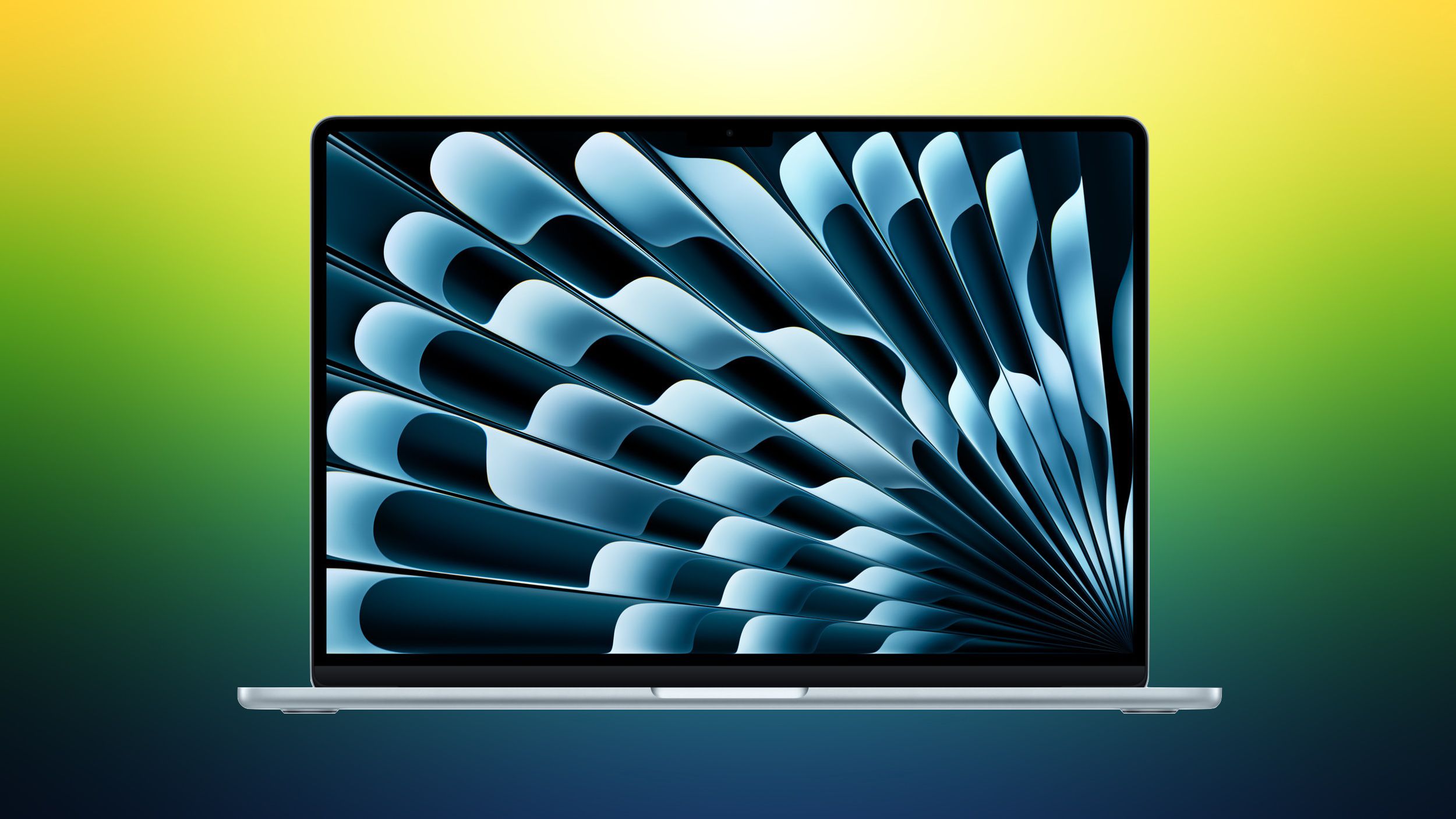
There's a version of this story where Apple raises prices, points to component costs, and everyone nods. Memory got expensive. Okay. We've seen supply chain inflation hit plenty of industries. The explanation lands.
Except Apple didn't raise iPhone prices. Or AirPods. Or Apple Watch. Or the Studio Display.
They raised prices on Macs, iPads, the Vision Pro, the HomePod, the HomePod mini, and the Apple TV — including, as MacRumors noted, the Apple TV and HomePod models that haven't been updated in several years. Then they raised refurbished prices to match. Then they blamed memory chips.
"We have never seen a component price increase this much, this quickly," Apple said in a statement shared broadly across the coverage. That is a serious claim. And it might even be true. But if memory costs are the engine driving a 15–25% price increase across your entire lineup — the range Daring Fireball cited, sourcing Wall Street Journal reporting — then the iPhone, which also uses memory, should've moved too. It didn't. Apple even hinted more increases are coming.
So either the iPhone is insulated from the same component pressures that are hammering the Mac, which would be a remarkable feat of supply chain engineering worth explaining, or the memory story is doing partial work and something else is filling in the rest.
The Math That Doesn't Quite Fit
Look at what actually moved. The base MacBook Air went up $200 to $1,299, according to Daring Fireball's reporting on the WSJ piece. The base MacBook Pro climbed $300 to $1,999. The iPad Air rose $150. The iPad Pro, $200. Vision Pro — already the most contentious price tag in Apple's lineup since its February 2024 launch at $3,499, as the MacRumors piece on the headset noted — went to $3,699.
Then there's the Apple TV jumping from $129 to $199 on the Wi-Fi model, and the Wi-Fi + Ethernet version going from $149 to $249. A hundred dollars on a product that streams video. The HomePod mini went from $99 to $129. These aren't memory-intensive products in the way a MacBook Pro with Nano-texture display is. The component cost argument stretches thin when it has to cover a set-top box.
Wall Street, per 9to5Mac, was not impressed. That's a notable signal — not because markets are always right, but because investors are usually happy to let Apple do whatever Apple wants to do. When they push back, something in the logic isn't holding.
What Premium Positioning Actually Costs
Here's what I keep coming back to: Apple's ability to charge what it charges has always depended on the story being internally consistent. The products justify each other. The ecosystem earns the margin. You pay more because it all works together.
When you raise prices 15–25% on products that haven't been refreshed, blame a component shortage, and leave your flagship product line untouched, you've introduced a crack in that consistency. Not a fatal one, necessarily. But a visible one.
The refurbished store price hikes — averaging $204 to $330 more on Macs at the higher end, per MacRumors — are the tell. Refurbished units don't use new memory. Those prices moved because the new prices moved, and Apple needed the spread to make sense. That's a pricing structure decision, not a component cost decision.
Apple is a company that has always understood that how you explain a price increase matters as much as the increase itself. This explanation has a hole in it the size of an iPhone.
Keep reading tech.

Microsoft Built the Fire. Now It's Charging You for the Heat.
Xbox prices are up again, memory costs are the excuse again, and somewhere in Redmond nobody is mentioning the AI.
Google Blinked on June 30th. Epic Made It Do That.
A lawsuit forced the Play Store open. Now everyone gets to find out what open actually costs.

Microsoft Said 'Breakthrough.' A Physicist Said 'Check Your Python.'
When a flagship quantum chip gets peer-reviewed into a corner, the real question isn't about qubits — it's about who we let define progress.
From the other desks.
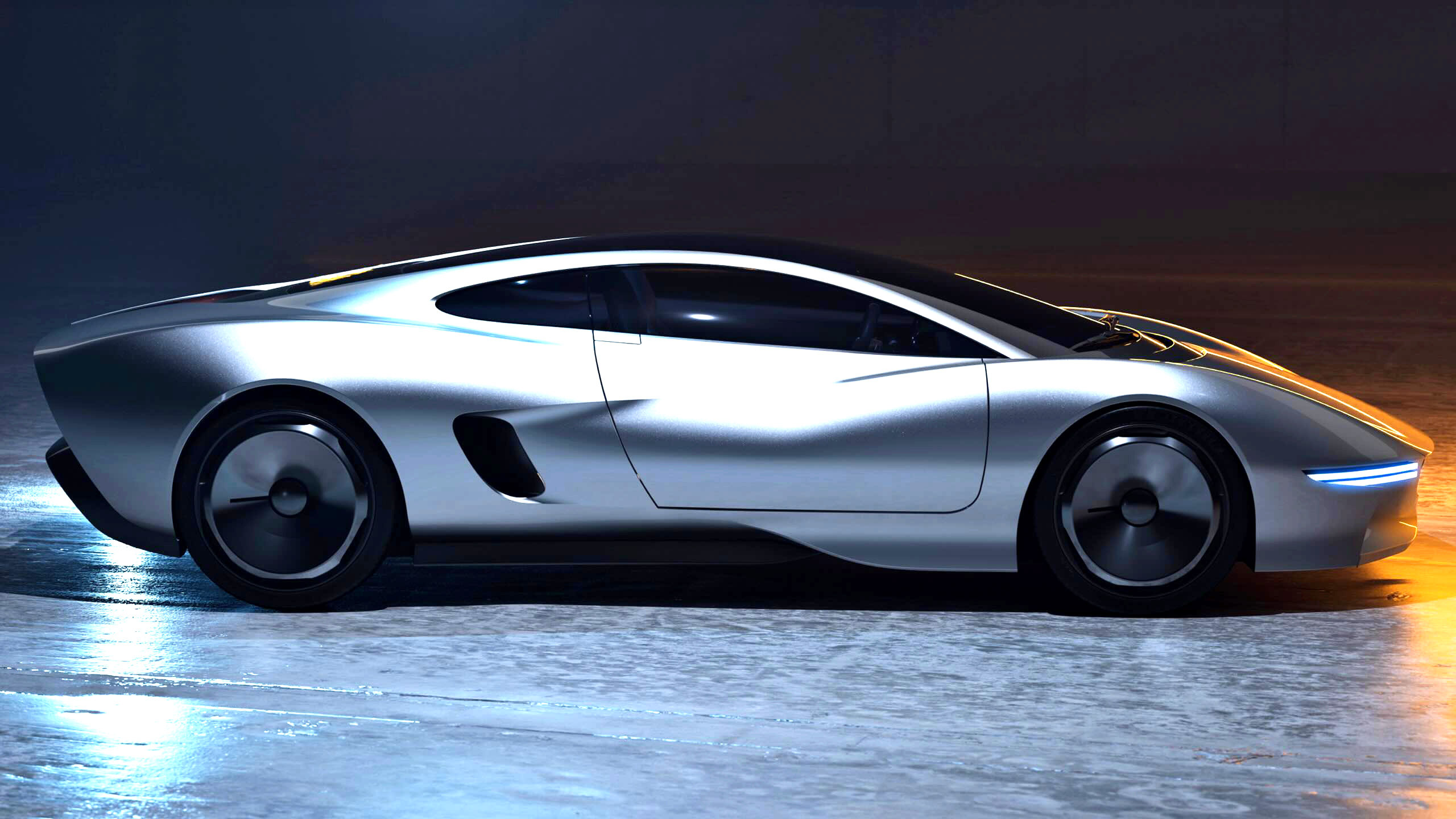
Ian Callum Redrew His Own Myth
The man who shaped Jaguar's identity just proved the XJ220 was never finished.
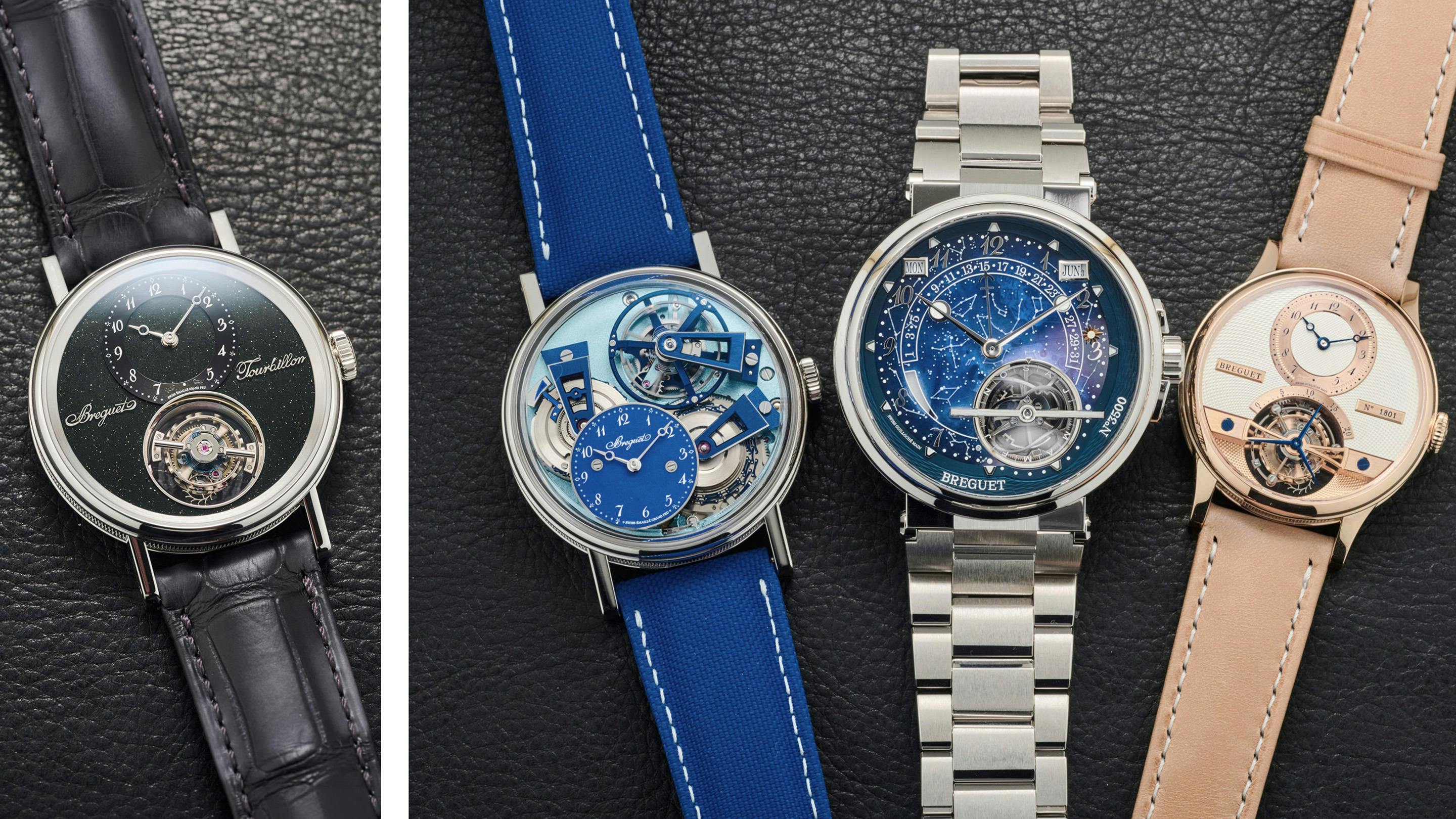
Breguet Made Four Watches. The Fifth Thing It Made Was a Bet.
Two hundred and twenty-five years after the tourbillon patent, Breguet isn't celebrating history — it's staking a claim on what comes next.
Anthony Rizzo Had to Earn the Microphone Twice
A World Series champion walked into a broadcast booth and discovered that rings don't transfer.