Microsoft Said 'Breakthrough.' A Physicist Said 'Check Your Python.'
When a flagship quantum chip gets peer-reviewed into a corner, the real question isn't about qubits — it's about who we let define progress.

Photo · The Verge
There's a version of this story where Microsoft's Majorana 1 chip is a genuine leap forward and one contrarian physicist is just noise. That version is getting harder to tell.
A peer-reviewed critique published in Nature — not a blog post, not a tweet, not a rival company's press release — has taken direct aim at the data underlying Microsoft's February 2025 announcement of the Majorana 1 processor. The chip was presented as a milestone: a device built around so-called topological qubits, which Microsoft described as the building blocks for their future quantum computer. Henry Legg, a physicist at the University of St Andrews, reanalyzed that data and concluded Microsoft's researchers did not conclusively demonstrate what they claimed. The Register adds a detail that makes this harder to wave away: the critique includes accusations of cherry-picked data and what it describes as basic Python errors in the underlying analysis.
Microsoft, for its part, says its work is sound. They announced the Majorana 2 at Build earlier this month. The roadmap continues.
The Peer Review Problem Nobody Wants to Name
Here's the pattern. A major tech company announces a quantum breakthrough. The announcement is big, the language is confident, the renderings are beautiful. The press covers it. Then, months later, someone with actual domain expertise and institutional patience publishes a rebuttal in a journal that requires evidence. By that point, the original claim has already done most of its cultural and financial work — it's been cited in earnings calls, referenced in recruitment materials, absorbed into the ambient sense that this company is winning at something important.
The correction, when it comes, lands quietly. The Verge covered it. The Register covered it. But the correction is not the story that gets forwarded around.
This is not unique to quantum computing, but quantum computing is particularly vulnerable to it because the gap between what researchers understand and what everyone else can verify is almost comically wide. Topological qubits are not something you can stress-test with intuition. You need the math, the methodology, the raw data — and even then, you need someone willing to sit down and actually run it back. Legg apparently did. What he found was enough to get published in one of the most scrutinized journals in science.
Basic Python errors. In a flagship announcement. From one of the most resourced technology companies on earth.
The Hype Has a Credibility Problem Now
I've watched enough tech cycles to know that "our work is sound" is what companies say when they don't want to say anything else. It's not a defense; it's a posture. What would actually be reassuring is engagement — a point-by-point response to Legg's methodology, a released dataset, some indication that the criticism was taken seriously rather than routed to communications.
Instead: Majorana 2.
The speed of the roadmap is itself a rhetorical move. If you keep announcing the next thing, the scrutiny of the last thing loses altitude. It's not cynical, necessarily — genuine research organizations move fast — but it does make it structurally difficult for peer review to keep pace with press releases. By the time a Nature paper questions your chip, you've already named its successor.
What's actually at stake here isn't Microsoft's reputation in any single news cycle. It's whether the scientific record — the slow, unglamorous, error-correcting machinery of peer review — can still function as a check on breakthrough claims when the companies making those claims have marketing budgets larger than most universities' entire research output.
One physicist at one Scottish university apparently thought it was worth finding out.
Keep reading tech.
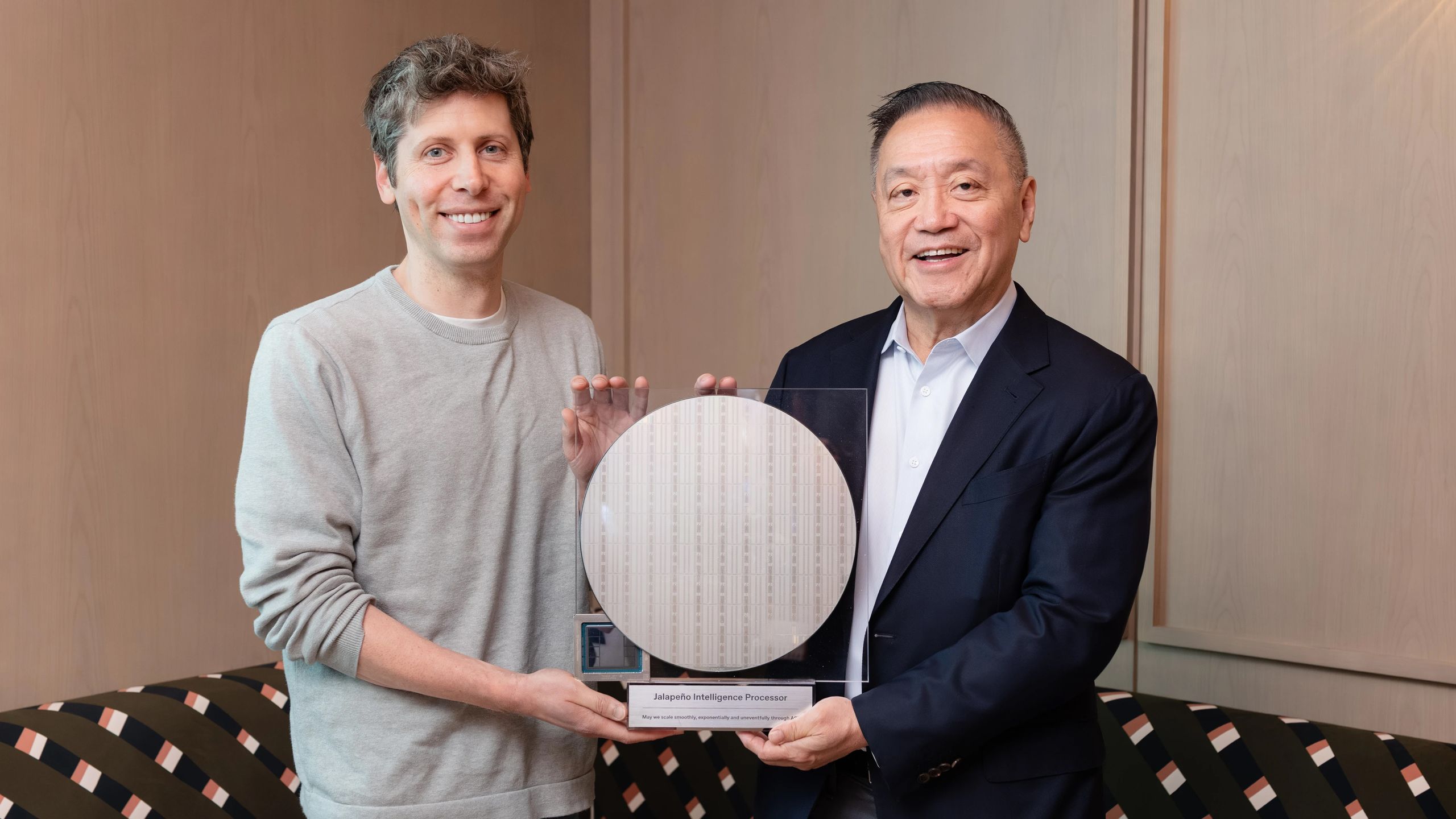
OpenAI Named Its Chip After a Pepper and Called It a Platform Play
Nine months from concept to silicon — Jalapeño is either the fastest ASIC story in recent memory or the most expensive press release OpenAI has ever written.

Riot Blinked. Now We Find Out If Cheaters Were Waiting for That.
Kernel-level anti-cheat just became optional — and the security argument for why it couldn't be has quietly evaporated.

Rockstar Just Wrote the New Floor
GTA VI costs $79.99, and that number will outlast the game itself.
From the other desks.
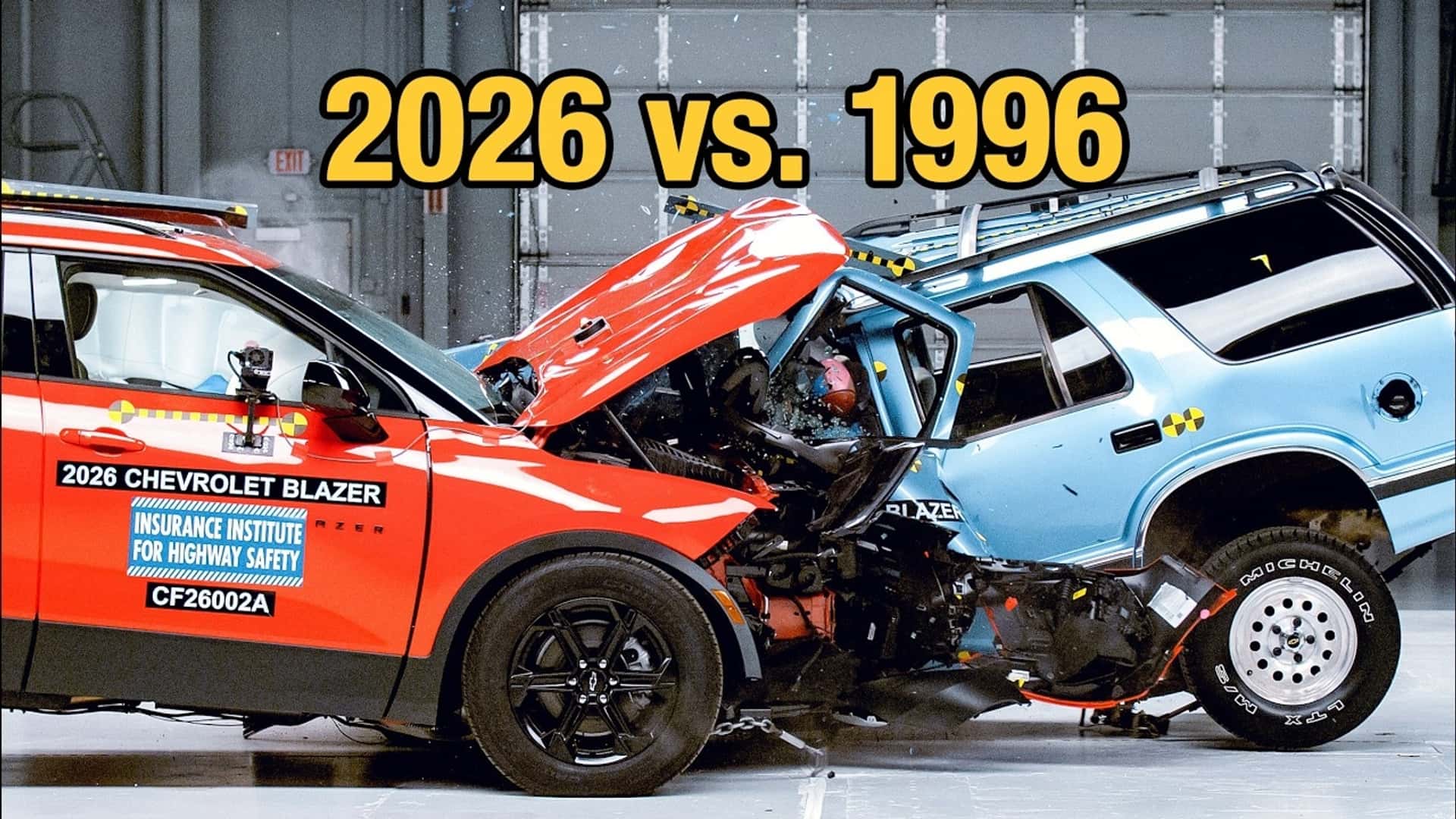
Thirty Years of Progress, Captured in About Four Seconds of Footage
The IIHS put a 2026 Chevy Blazer into a 1996 model and the result isn't satisfying — it's haunting.

Paris Keeps Building Bigger Waves. The Water Came From Somewhere Else.
SS27 had spectacle, subversion, and a tennis tournament — but the most interesting clothes weren't on any runway.

College Basketball Cashed Out. The Draft Just Ran the Receipt.
When the first 20 picks all played college ball, NIL stops being a controversy and starts being the pipeline.