College Basketball Cashed Out. The Draft Just Ran the Receipt.
When the first 20 picks all played college ball, NIL stops being a controversy and starts being the pipeline.
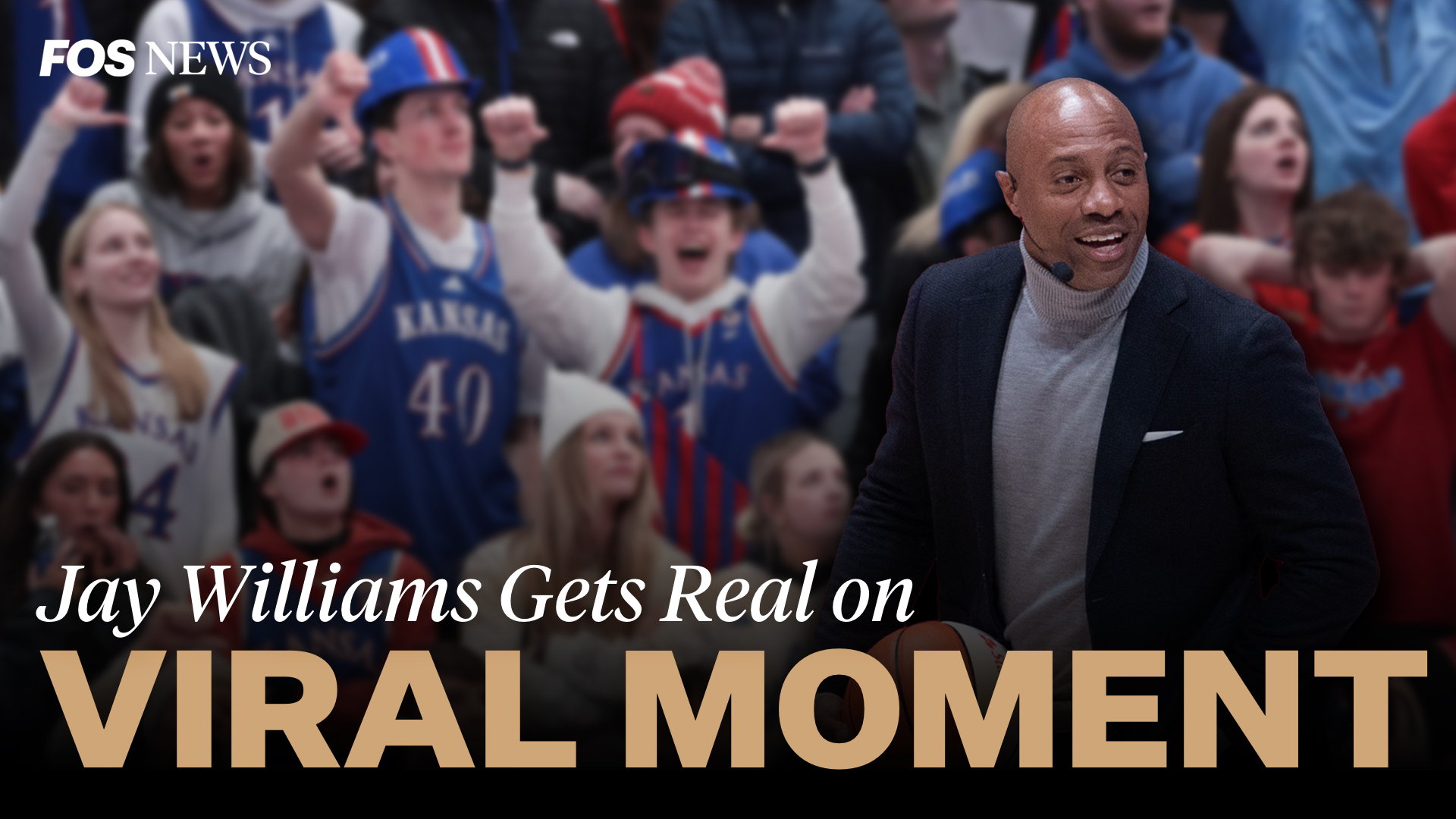
Photo · Front Office Sports
Twenty picks. Twenty college players. That's not a trend — that's a statement.
The 2026 NBA Draft didn't sneak up on anyone. The talent was visible, ranked, and debated for months across every major outlet. But when the first round finally played out Tuesday night, the number that kept surfacing across the coverage wasn't a player's vertical or his scoring average. It was that number: twenty. As Front Office Sports reported, the first 20 players selected all came out of college basketball. In a post-NIL world where the conventional wisdom held that college was a rest stop, not a destination, that's a verdict worth sitting with.
The NIL era was supposed to fragment everything — make college basketball a chaotic, unaccountable marketplace where the best players would bounce early and often, and the league's pipeline would become harder to read. Instead, if this draft is any evidence, it did something else entirely. It made staying in school worth something again. Not out of loyalty. Out of leverage.
The Top of the Board Was Never Really a Question
AJ Dybantsa went first overall. The Guardian described the draft as low on drama but loaded with generational talent, and that framing is honest — when the best player is obvious months before June, you don't get chaos, you get confirmation. What you do get, though, is the rest of the board reshuffling in interesting ways.
The Warriors, Suns, and Hornets are being called winners by some. The Thunder and Grizzlies by others. These assessments contradict each other in the specifics but agree on the shape: this was a draft where teams with clarity of vision — about what they needed, about how to use a pick — separated themselves from teams that were just filling a slot.
Then there's the second round, which began at 8 p.m. with the No. 31 pick, and which, if the first round left any doubt, confirmed there was real depth here. Multiple outlets noted that significant talent remained on the board when Round 2 opened — prospects with genuine NBA upside, not consolation prizes.
The Moment That Didn't Fit the Script
But the moment that cut through everything — the one that went viral, the one that made the draft feel human instead of transactional — had nothing to do with the top of the board.
Karim Lopez, 19 years old, became the first Mexican-born player selected in the first round of the NBA Draft. His response when asked about it, as the New York Post reported, sparked genuine buzz. Not the manufactured kind. The kind where someone is caught off-guard by the weight of what they've just done, and you can see it in their face before they've had a chance to compose themselves.
That moment existed alongside all the front-office analysis, all the winner-loser breakdowns, all the NIL think-pieces. And it was more interesting than any of them. Because it was about what the draft actually is underneath the asset management and the trade speculation: a door opening for someone who didn't know if it would.
Jay Williams, weighing in on the draft's broader significance, pointed to the NIL boom as a structural shift — not just a policy change but a reorientation of how talent develops and moves. He's right. But the Lopez moment is the human proof of concept. The draft wasn't just a market clearing event. It was a stage.
The league will spend the next several months debating which team won Tuesday night. The answer will change by February. What won't change is what happened when a 19-year-old Mexican-born player heard his name called in the first round and didn't know what to do with his hands.
The NIL era didn't break the draft. It just made the people inside it harder to reduce to a number.
Keep reading sports.
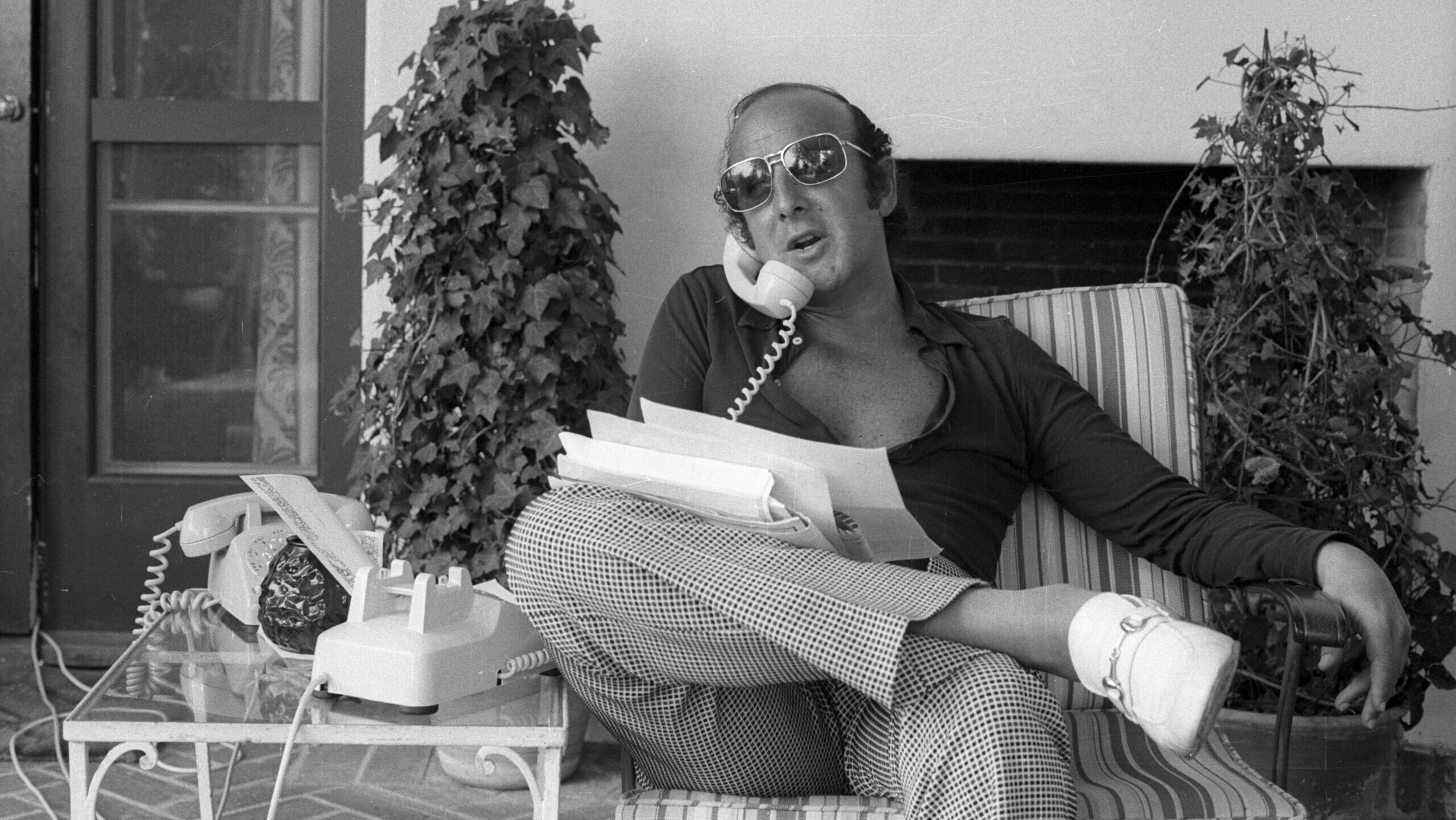
He Didn't Hear Music. He Heard Potential.
Clive Davis built pop music's architecture from the inside out — and now we have to reckon with what happens to a building when its engineer is gone.

Fourteen Thousand Athletes, One Hundred Thirty Years, Ten Thousand Dollars
The IOC just paid athletes for the first time in Olympic history. The number is almost beside the point.
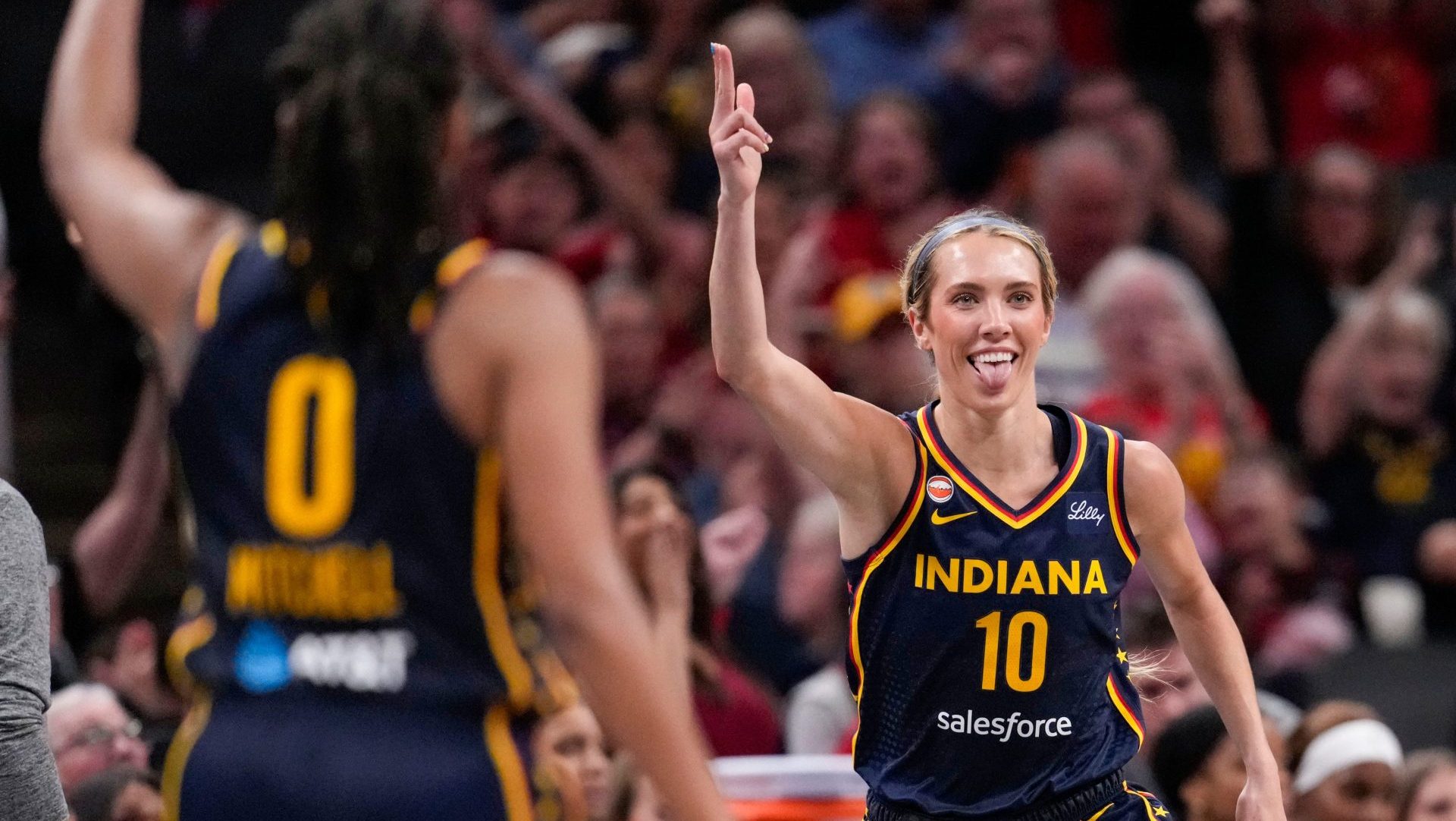
Beauty Went Functional. Women's Sports Made It Mean Something.
A new category is forming at the intersection of mascara and match day — and the question it raises is bigger than the products.
From the other desks.
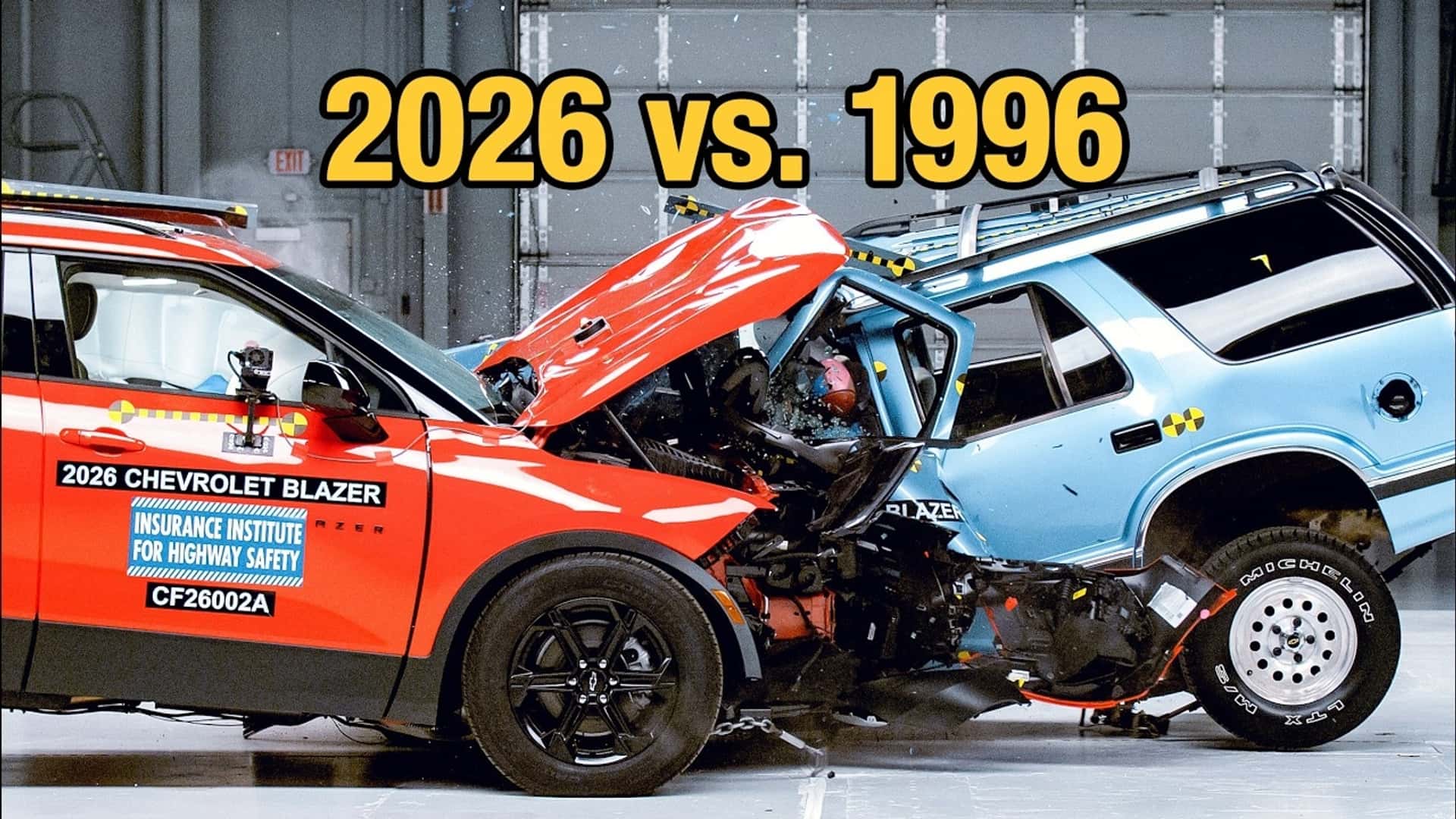
Thirty Years of Progress, Captured in About Four Seconds of Footage
The IIHS put a 2026 Chevy Blazer into a 1996 model and the result isn't satisfying — it's haunting.
Paris Keeps Building Bigger Waves. The Water Came From Somewhere Else.
SS27 had spectacle, subversion, and a tennis tournament — but the most interesting clothes weren't on any runway.

Microsoft Said 'Breakthrough.' A Physicist Said 'Check Your Python.'
When a flagship quantum chip gets peer-reviewed into a corner, the real question isn't about qubits — it's about who we let define progress.