OpenAI Named Its Chip After a Pepper and Called It a Platform Play
Nine months from concept to silicon — Jalapeño is either the fastest ASIC story in recent memory or the most expensive press release OpenAI has ever written.
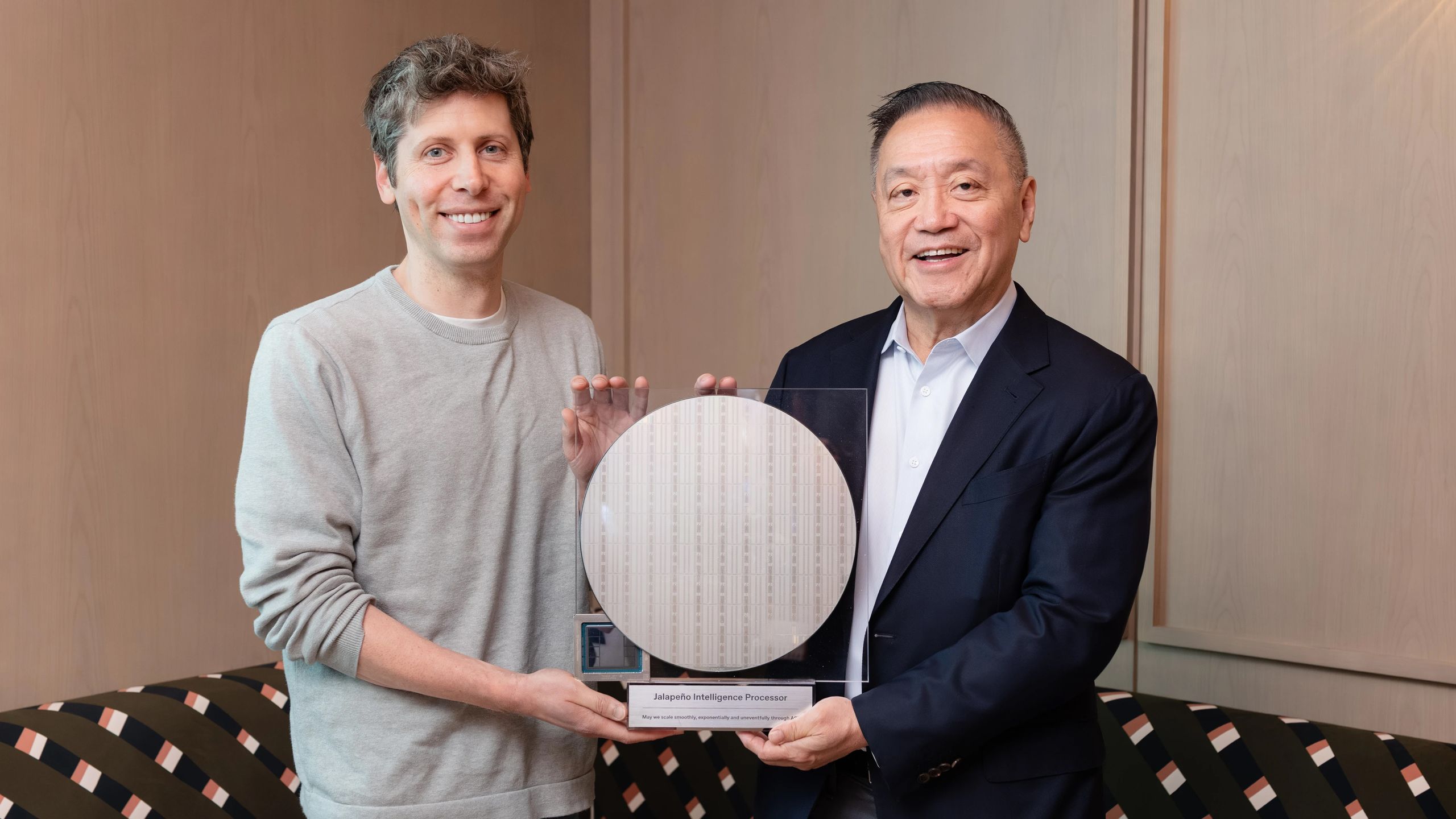
Photo · Latest from Tom's Hardware
Here is what the chip cycle looks like from a distance: a company gets famous for software, realizes the software runs on someone else's hardware, announces a silicon initiative, and then — somewhere between the press release and the product — the framing quietly shifts from "we built a chip" to "we are now a hardware company." OpenAI just kicked off that sequence with Jalapeño.
The chip is real. Built with Broadcom, inference-focused, reticle-sized — meaning they pushed the die as large as the manufacturing process physically allows — and reportedly developed in nine months, which is fast enough that anyone who has spent time near a chip program should find it either impressive or suspicious. Tom's Hardware noted the performance-per-watt claims beat existing leading-edge silicon. That's the kind of number that, if it holds, matters enormously. Inference at scale is a power bill before it's anything else.
What Nine Months Actually Means
Custom ASICs don't happen in nine months by accident. They happen when the architecture is constrained enough, the use case is narrow enough, and the partner experienced enough to compress the timeline. Broadcom brings the latter. OpenAI, presumably, brings the workload specificity — they know exactly what inference looks like at their scale, which means they can tell a chip designer exactly what to optimize for rather than designing for generality.
That's the technical story. The business story is different.
The Register framed Jalapeño as an attempt to portray OpenAI as more than a model maker caught in a race to the bottom. That framing is doing a lot of work, and it's probably right. The model layer is compressing. Every quarter, something that required GPT-4 six months ago runs on a smaller, cheaper model. The value in AI is migrating — toward applications, toward distribution, toward infrastructure. A company that only makes models is increasingly a company that only makes a commodity input. Custom silicon is a way to stake a claim further down the stack.
The Nvidia Subtext Nobody Is Saying Out Loud
None of the three sources say Nvidia. None of them need to. Every story about a major AI lab building its own inference chip is, at some level, a story about reducing dependence on the one company that currently controls the hardware layer of the AI economy. Broadcom is a credible path there — they've built custom silicon for hyperscalers before, and inference ASICs are a different design problem than the training clusters that made Nvidia indispensable.
Engadget called it a "spicy start" to the collaboration, which is the kind of line that earns a quiet sigh but also isn't wrong. It is a start. One chip, one partnership, one announced collaboration doesn't restructure a supply chain. What it does is signal intent, establish a team, and — if the performance-per-watt numbers survive contact with independent benchmarks — give OpenAI something real to point to when investors ask what the moat is.
The moat question is the one that never fully goes away. Software moats in AI have proven porous. Data moats are real but contested. Infrastructure moats — the kind that come from owning your own silicon and the expertise to design it — are slower to build and harder to replicate. That's the actual argument for Jalapeño, and it's a more interesting argument than any benchmark.
Nine months is fast. Whether it's fast enough to matter is a different question entirely.
Keep reading tech.

Microsoft Said 'Breakthrough.' A Physicist Said 'Check Your Python.'
When a flagship quantum chip gets peer-reviewed into a corner, the real question isn't about qubits — it's about who we let define progress.

Riot Blinked. Now We Find Out If Cheaters Were Waiting for That.
Kernel-level anti-cheat just became optional — and the security argument for why it couldn't be has quietly evaporated.

Rockstar Just Wrote the New Floor
GTA VI costs $79.99, and that number will outlast the game itself.
From the other desks.
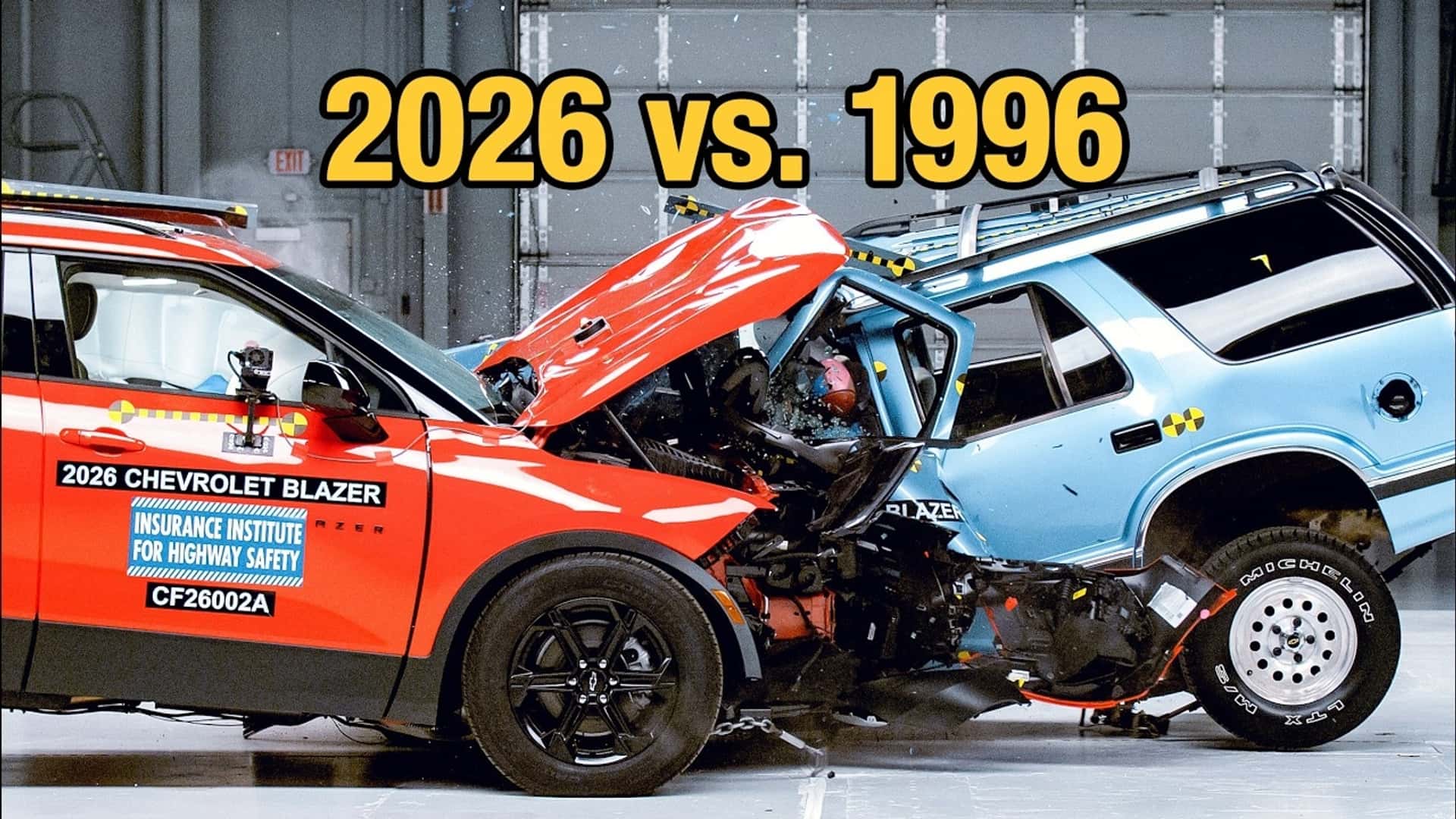
Thirty Years of Progress, Captured in About Four Seconds of Footage
The IIHS put a 2026 Chevy Blazer into a 1996 model and the result isn't satisfying — it's haunting.
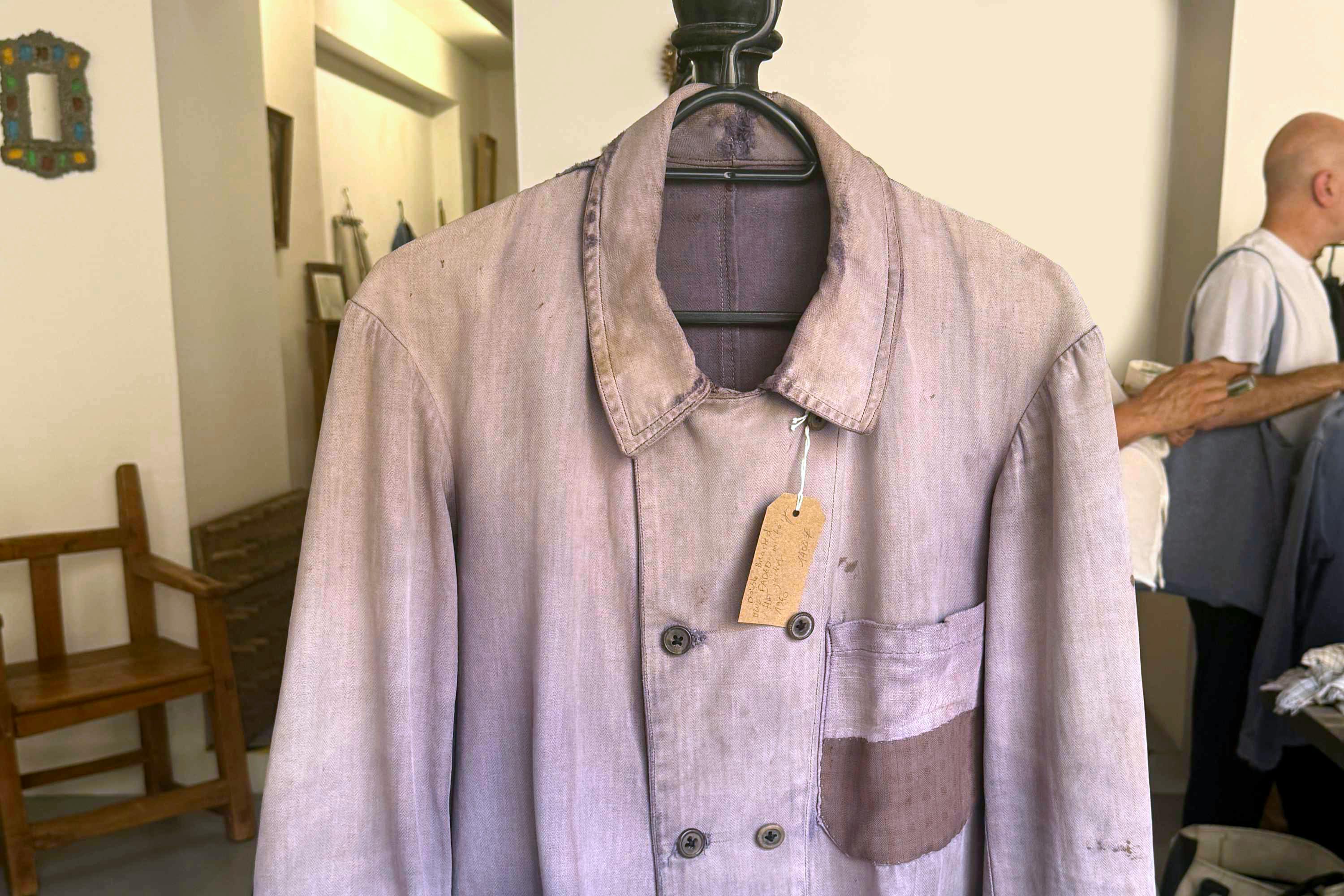
Paris Keeps Building Bigger Waves. The Water Came From Somewhere Else.
SS27 had spectacle, subversion, and a tennis tournament — but the most interesting clothes weren't on any runway.

College Basketball Cashed Out. The Draft Just Ran the Receipt.
When the first 20 picks all played college ball, NIL stops being a controversy and starts being the pipeline.